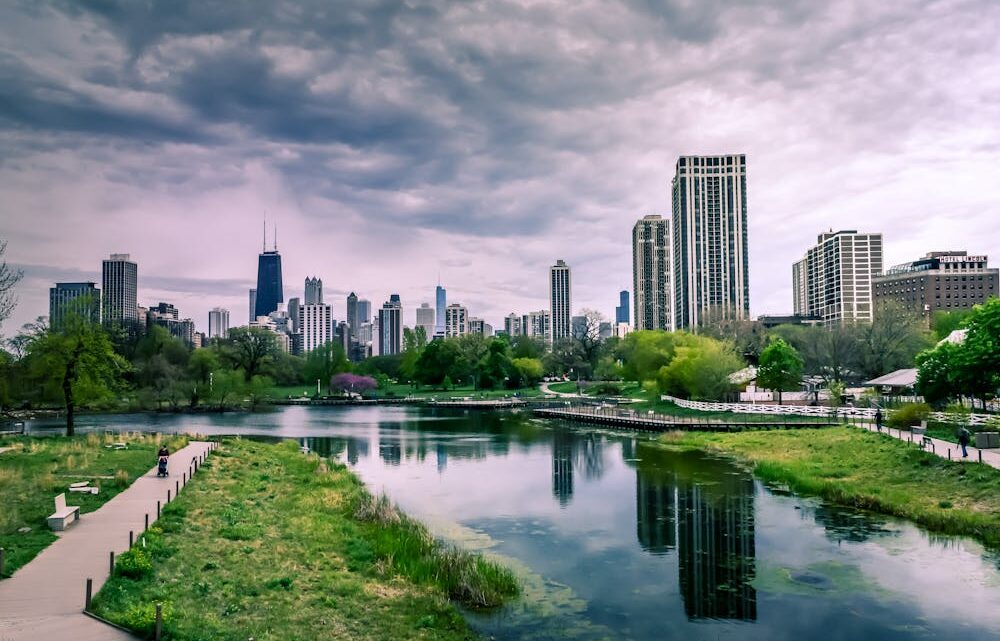
The social and health benefits of a preserved urban tree canopy
26 May 2026Understanding preserved canopies and their role in urban health
They are mature, unbroken tree covers in cities. These aren’t merely isolated trees, but dense, verdant canopies that extend over parks, sidewalks and even plazas. They stand out because they provide a barrier between us and the hectic, cacophonous and noxious world of urban life. These canopies provide more than shade—they provide critical ecosystem services that impact many facets of public health.
Preserved canopies act as natural air filters. Tree leaves and bark entrain dust, smoke and other particulates from the air, reducing concentrations of pollutants such as nitrogen dioxide and fine particulate matter. This pollution reduction could translate to fewer asthma and lung issues for employees and residents there. In areas with dense street and park canopies, air quality frequently receives a noticeable lift. A dense canopy does its part to cool down cities by blocking sunlight and holding moisture, reducing the urban heat island effect. This tree shade, which provides a cooler, can lower local temperatures by several degrees Celsius — a big deal when you’re trying to stay cool during a hot spell. Less heat translates to fewer heat-related illnesses and fatalities — particularly among the elderly and young children.
A city with vigorous, preserved canopies is a city that is alive with more birds and bugs and rodents. These trees provide shelter and sustenance to numerous animals. This staves off the decline in local wildlife populations and sustains pollinators necessary for city gardens and parks. A diversity of tree species and dense, healthy canopy provide additional advantages. The thicker the canopy, the more these ecosystems sustain life and the more urban space feels alive and grounded in nature.
Canopies combat noise. The leaves and branches diffuse and deaden urban noise, calming homes and parks. This noise control can reduce stress and increase sleep quality for residents adjacent to major roads or train lines. Canopy shade cools sidewalks, playgrounds and open spaces, providing relief from the scorching sun while making outdoor behavior more secure and enjoyable for all. That’s key for those already facing health issues or suffering heat stress.
The social and mental health benefits from preserved canopies are as tangible as the physical. Research demonstrates that canopy cover lifts mood, decreases symptoms of anxiety and depression, and can even improve concentration. Walks in the woods–even brief ones–have been associated with improved memory and greater tranquility. Individuals exposed to these spaces tend to find an increased sense of well-being and life quality. The loss of preserved urban tree canopies is linked to increased heat and pollution and a decline in both mental and physical health.
Physical health outcomes linked to preserved canopy access
Preserved canopies have a tremendous impact on physical health outcomes by influencing how people move, breathe and manage heat in their communities. These towering green canopies influence our lives in both unnoticed and distinct manners, particularly for urban or densely populated populations. They deliver genuine, demonstrated health benefits – in behavior, in air, and in hospital charts.
Shaded trails beneath the tree canopies ease walking, running and biking even in high sun. When streets or parks or school routes are shaded by trees, more people walk or cycle than drive or take public transport! In various nations, kids are more inclined to walk to school if their route is tree-lined. Adult humans choose to exercise outdoors in the presence of shade, as it prevents sunburn, overheating and exhaustion. Such natural shading doesn’t just keep people moving — it means families are out together more, building community cohesion and promoting physical health.
Canopy cover cools the air, which makes a huge difference in heat waves. Trees reduce ground and air temperature, frequently by multiple degrees Celsius, through shade and leaf transpiration. This cooling impact is crucial in urban areas, where heat can be exacerbated by concrete and asphalt. Studies indicate that there are fewer hospital visits for heat stroke, dehydration and other heat-induced health issues in regions with dense tree coverage. These cooler microclimates protect vulnerable populations, such as young children and elderly adults, from potentially lethal heat stress.
With more trees comes better air quality, reducing health risks associated with pollution. Canopies contribute to filtering out small particulates and harmful gases like ozone and nitrogen dioxide. As such, individuals in lusher neighborhoods suffer less from both pulmonary and cardiac issues. Asthma and chronic bronchitis rates dip, and there are fewer heart attacks associated with high air pollution. Cleaner air equates to less work absenteeism, reduced healthcare costs, and reduced burden on healthcare systems.
Checklist: Comparing health stats with and without tree canopy
- Activity rates outdoors. Elevated in tree-covered areas. Increased walking, biking, and park utilization.
- Heat-related illness. Fewer hospital visits and emergencies in hot weather in canopy neighborhoods
- Bronchial health. Reduced asthma and lung issues where air filtration from trees is preserved.
- Heart problems. Less heart disease and strokes in areas with cleaner air and cooler temperatures.
- Physical health Stronger community, more outdoor gatherings, less stress in green areas
Mental well-being and emotional resilience in green environments
Even regular time beneath tree canopies, in this study, was giving a real boost to mental health. Those who reside or regularly spend time in tree-rich green spaces are less prone to experience stress, anxiety, or depression. One big reason is that they’re a respite from clamorous, cement-covered, overpopulated urban life. The silence, the shade, the visual peace of green leaves soothe the mind. Even a brief walk or break in a park with dense tree cover can improve mood and reduce symptoms of depression. Research reveals that individuals who engage in exercise outdoors — just once a week — reduce their likelihood of poor mental health by 50% versus those who do not use these spaces.
Tree-lined parks and wilderness are restorative places. They enable people to recover from hard days or intense stretch of stress. Whether someone walks, sits, or simply gazes at a leafy canopy, the brain receives a break from overthinking and rumination. This pause is demonstrated to help us feel better and think more clearly. For youth, particularly those with behavioral or self-image issues, wild green spaces can provide time to reflect, generate self-esteem and acquire confidence. There’s something about being in a forest, or amongst trees, that activates a sense of renewal — a blank slate on which to rewrite the mind.
Exposure to these green spaces develops emotional resilience. Which means they’re able to cope with issues more effectively and bounce back quicker after tough periods. Green spaces provide a sanctuary to relax and sort out emotions. Other studies show that more greenspace exposure correlates with better health across the board—mental, physical, and social. In urban areas, a mere one percent increase in tree canopy cover can reduce psychological distress. This means that even modest shifts in how densely our streets or parks are lined with trees can do whole communities a favor.
The mental health impacts of canopy are observed at scale. One long-term study in Portland, Oregon, even discovered that for every 100 trees planted, one premature death was avoided. Urban forests, which by themselves reduce air pollution by less than 1 percent, are a mental boon. Tree cover can even help keep neighborhoods safer, with less gun assaults in areas with trees on public land.
Communities with plenty of trees and green space enjoy many mental health gains:
- Lower levels of stress, anxiety, and depression
- Fewer somatic complaints, like headaches or trouble sleeping
- Higher self-esteem and confidence, especially in youth
- Better mood and sharper focus
- More physical activity and social connection
- Greater sense of safety and reduced crime
Community cohesion and fostering local pride through canopy spaces
Canopy spaces serve a higher purpose than to merely provide shade or support the microclimate. These places frequently serve as communal nodes where residents connect, hang out, and develop relationships with neighbors. Whether in a city or a town, a patch of trees can unify a group in ways that bare paved lots or open lawns seldom do. They host people for festivals or mini-markets, outdoor games or simply a quiet spot to chat. Families and friends come here for picnics, birthday parties, or after-work walks. Without these canopies, these simple daily meet-ups or larger public events would have less safe, cool places to occur — particularly in warm weather.
When they come together to maintain these spaces, it transforms how they view each other and their neighborhood. 50 Groups organize to clean up trash, plant new trees, repair trails and benches. These communal efforts make individuals feel invested in the local space. When a neighbour lends a hand trimming a tree or watering new plants, it ceases to be a chore—it’s a means of chatting, exchanging stories and finding out what’s going on from local residents. Little by little, over time, this cultivates trust. Folks begin to view one another not as neighbors, but as comrades in maintaining the canopied haven safe and verdant. This common labor can simplify collaborative problem-solving, like curbing trash or creating dog walking policies.
A healthy, cared for tree canopy is frequently a point of community cohesion and local pride. Whether it’s a street or park flanked by healthy, tall trees – it announces to everyone that the people there have pride in their space. Both homeowners and renters feel proud of these spaces. Kids come to appreciate the outdoors as part of their lives. When people feel good about where they live, they’re more apt to participate in local initiatives or advocate for what the community requires. In other localities, a signature tree or extended canopy of green shade is a trademark – something that provides a community with a common tale.
- One neighborhood in Singapore organized monthly “Tree Care Days” where families came together to help prune, water and clean their adjacent canopark.
- In Toronto, one group started a ‘Green Streets‘ initiative, assisting schools in using canopy spaces for outdoor classes and science clubs.
- Johannesburg, for example, initiated a city-led effort that called on local artists to paint benches and signs in shaded parks, rendering the space both functional and distinctive.
- A French rural village’s oldest trees hosted summer fairs every year, which attracted visitors from neighboring towns and villages and allowed small businesses to market their products.
Neighborhood quality and sense of belonging
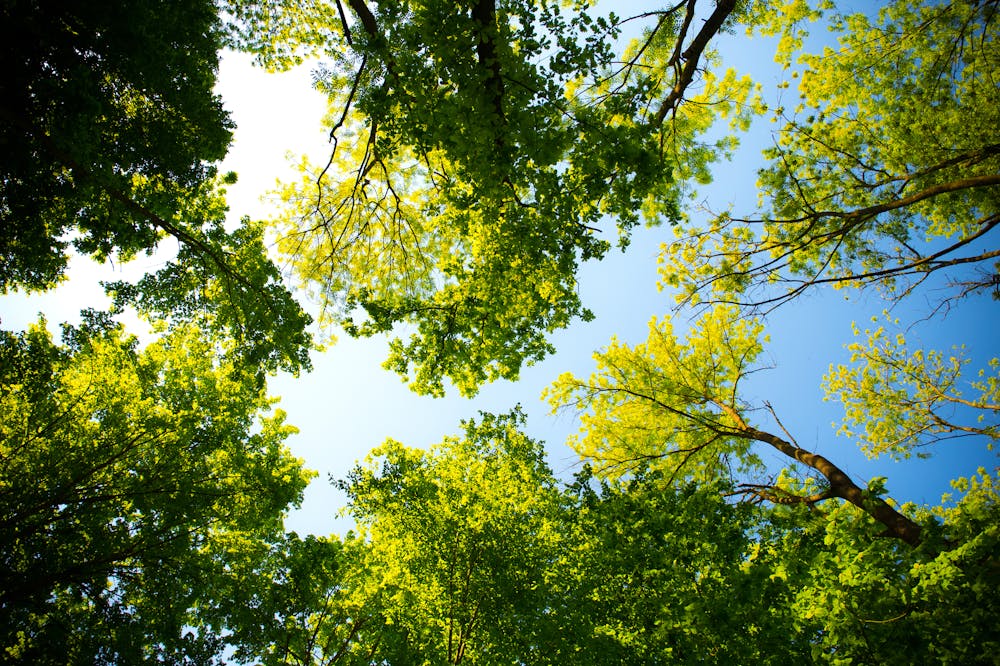
A saved canopy provides more than shade or beautiful vistas. In numerous urban areas, leafy streets and green cover associate with higher property values and superior curb appeal. In general, homes on tree-lined blocks command a premium because green spaces make streets appear nurtured and peaceful. This effect rings true across the world, from urban parks to suburban streets, demonstrating that individuals appreciate the presence of thriving and cared for trees.
People in leafy neighborhoods with abundant street trees tend to feel safer and more comfortable. The people who live there report less crime and they feel more safe walking around. The presence of trees can act as a signal: this place is watched over, people care for it, and it is less likely to be neglected. These safety vibes encourage people to spend more time outside, which creates trust and familiarity with others in the neighborhood. For others, moving from a less to more green area resulted in enduring benefits to mental health for up to three years post relocation. It’s a real, not a transient, boost.
A sense of belonging thrives when people feel connected to their neighborhood. Canopy-rich neighborhoods assist with this, by providing tangible cues of place and history. Trees can define seasons, provide shade at bus stops, and become meeting spots. Shared green spaces, such as pocket parks or gardens, allow neighbors to gather, engage with one another, or even simply acknowledge each other with a nod. These minutes count. Design of buildings and public spaces can assist as well. By bringing plants and trees into homes, care centers, or hospitals, we make it simpler for individuals to reconnect and feel at home. Research reveals that individuals who engage in physical activity outdoors amidst natural settings are significantly less prone to poor mental health. A greener neighborhood not only looks good, it makes people feel and function better.
The connection between greenspace and health is not novel. In the 19th century, parks were reserved in cities because leaders thought these spaces would improve people’s health and foster community. Now, data supports these ancient notions. It blows me away that there are huge disparities in rates of disease between those in very green neighborhoods and those in more heavily built-up, less green locations, even after controlling for income or profession. The desire to bond with nature runs deeper than simply enjoying scenic vistas. It makes us resilient in the face of stress and helps us feel like we belong to something bigger.
Checklist: Features that build a strong sense of belonging in canopy-filled neighborhoods
- Nice street trees and green strips along roads, so walks are pleasant and safe at any age.
- Common greens, or places where people can encounter each other, play or relax.
- Places to get outside and be active, like a tree-shaded walking path or bike trail, fostering habit and community.
- Well designed homes and buildings, with trees and planters and green roofs, allowing the residents to feel grounded.
- Public seating under trees, giving everyone a place to stop, chat or relax in comfort.
- Activities or initiatives in green spaces that encourage people to come together and bond.
- Neighbors who put up signs and care to demonstrate that their neighbors appreciate and care for their mutual trees and plants.
Equity, accessibility, and demographic considerations
Conserved canopy yields actual health benefits–but not equitably. Folks in certain neighborhoods — particularly low-income and minority areas — tend to experience much less canopy than affluent, predominantly white communities. This gap is not accidental. Old redlining from the 1930s established the pattern, with ‘high risk’ areas—frequently because they were largely black or immigrant—receiving fewer loans and services. Today, research ties these old maps to where trees grow: redlined blocks still have thinner canopies. It means their residents are subjected to more heat, poorer air, and less parks – all of which can damage health. Given the strong link between neighborhood green space and reduced risk of death, this divide isn’t just about aesthetics—it has the potential to shape life and health for entire communities.
Distributing the rewards of canopy more equitably demands intervention. Urban forests can fix environmental injustice when cities plant and maintain trees where people need them most—typically, in low-income or minority neighborhoods. Such a gap, for example, was found in a study that determined that investing $15.8 billion to plant trees in these spots could close the canopy gap for 34 million people. That’s a giant step in providing equity and accessibility for all demographics the equal opportunity at cooler streets, cleaner air and a healthier home. With new trees come new risks: “green gentrification,” where rising property values push out long-term residents. Any proposal for urban forest expansion needs to address these hazards, ensuring that those who most need new trees are able to remain and benefit from them.
Real access to canopied spaces is more than planting trees. Spaces have to operate for all ages, needs and abilities. Paths should be wide, flat, and barrier free. Benches and rest stops assist seniors and individuals with health issues. Bilingual signs and explicit maps ease spaces for all to use. These design steps help ensure that new green spaces are not just for some, but accessible to everyone nearby. When cities plan with these specifics, more will walk, rest, or play under the trees that can boost mood and reduce stress. Indeed, studies correlate a 25 percent increase in neighborhood canopy with a genuine decrease in depression, anxiety, and stress — proving that thoughtful design and equitable access have the potential to transform lives.
| Neighborhood Type | Average Canopy Cover (%) | Population Density (people/km²) | Income Level | Minority Population (%) |
| Urban, high income | 35 | 5,000 | High | 20 |
| Urban, low income | 13 | 7,500 | Low | 70 |
| Suburban, high income | 38 | 2,000 | High | 15 |
| Suburban, low income | 10 | 2,500 | Low | 45 |
Integrating preserved canopies into urban planning for long-term health benefits
Preserved canopies aren’t a luxury for cities. They’re time-tested instruments to sculpt city life and health for generations. When urban planners prioritize canopy preservation and expansion for development, they are establishing neighborhoods for decades of health benefits. The science supports it. Urban forests cool down city streets, help filter the air, and even reduce heat wave deaths by up to 99% in certain areas. These aren’t minor victories. For individuals in crowded cities, the impact can be life-altering. Trees provide shade and moderate city temperatures, mitigating the urban heat island effect that renders summer insufferable in numerous cities around the world. Whether trees line a street or fill a park, the air remains cleaner and cooler, allowing everyone to breathe a little easier.
Canopies aren’t simply a protection from the sun, or a means of making parks ‘green’. They’re a lifeline for our body and mind. Numerous recent studies find proximity to trees, including from a canopy covering 30% to 50% of an area, helps people relax and recover from exhaustion. Every 25% increase in this neighborhood canopy corresponds to significant decreases in depression, anxiety, and stress. These aren’t merely numbers — they unfold in the lives of millions of urbanites. We’ve heard it from others — brief strolls underneath trees makes them think clearer, become more centered, and sleep deeper. For kids, green spaces provide space to play, run and grow up healthy. For adults, trees reduce the risk of obesity and heart disease. Tree-lined streets attract more pedestrians and bicyclists, energizing entire neighborhoods.
To make these gains real, planners need to listen to the people who live and work in these spaces. Community feedback directs where to plant, what to preserve and how to maintain healthy canopies. Local voices can tell us the most optimal locations for new trees, whether near schools, clinics or heavily traveled roads with poor air quality. When residents contribute to the design of these green spaces, they take ownership of them and strive to maintain them. This connects neighborhoods more tightly and ensures the benefits are shared by all, not just some.
Urban canopies save cities real money, too. By cooling neighborhoods, trees reduce air conditioning demand, which decreases electricity consumption and expenses. Less heat and cleaner air result in fewer trips to the doctor for asthma or heat stroke. Incorporating preserved canopies into urban design for a healthier future. These savings add up over time, making canopy projects a wise long-term investment.
For urban officials, the solution is obvious. Incorporate preserved canopies into the city’s plans for good health. Create endowments for planting and maintaining trees – not just in parks, but on and along streets, in public places. Partner with public health and environmental organizations to monitor outcomes and maintain the plans on track. In other words, we need to figure out how to weave preserved canopies into our urban planning to ensure long-term health benefits. These actions create more healthy, equitable cities for all.