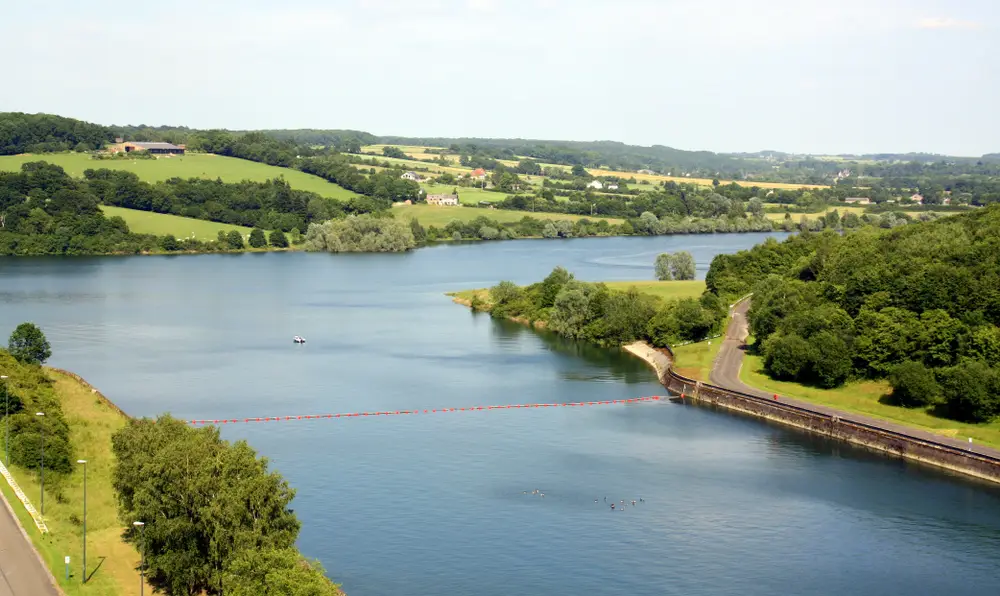
Economic benefits of urban reforestation for tourism and local economies
7 May 2026Urban forests as economic catalysts for tourism
Urban forests transform the appearance and character of cities. Lush canopies of tall trees and native undergrowth break up the hard edges of concrete and glass. They attract locals and tourists alike to urban parks, arboretums, and gardens. These are the kinds of places that end up in travel guides and on social feeds, making them must-sees. For visitors, a city full of parks and shaded trails seems more attractive. Research suggests that residences with greater proximate tree cover can command 3.7% higher prices than comparable homes without as much greenery. This speaks to the value people place on a leafy city. A well-kept urban forest can even extend a visitor’s visit, as travelers look for tranquil, cooling open air places to escape, especially when it’s hot.
Local shops, cafes and tour companies benefit from this consistent inflow of tourists. Urban forests encourage individuals to venture through communities on foot or bike, pausing at mom and pop establishments en route. Nature-based attractions within city limits, such as hiking trails or open-air markets shaded by trees, captivate tourists and locals alike. More cash flowing to hotels, restaurants and transport services. The health benefits are genuine. Those who spent more time in green spaces actually had lower medical bills — saving $354 to $564 per active person per year. Cities that increase their tree canopy by 30% receive the greatest return per dollar invested, with green spaces benefiting in both tangible and intangible ways.
City branding receives a boost. A lot of tourists these days seek out eco destinations. Cities that support urban forests are strong candidates to promote themselves as clean, green travel destinations. This speaks to a worldwide community that is eager to visit destinations that care for the earth. Urban forests assist with more than aesthetics and branding, however. They reduce summer cooling demand, since trees cool air and shade sunlight. Structures in cities lacking adequate tree cover consume a minimum of 13% additional energy for cooling compared to their rural counterparts. Trees trap carbon too — with a Canberra tree holding between $70 and $236 worth of carbon. If a mature tree is lost prematurely, the city forfeits approximately $5,000 of articulable value per tree, underscoring the significant cost of failing to protect these assets.
| Business Type | Avg. Monthly Revenue Before (€) | Avg. Monthly Revenue After (€) |
| Local Cafe | 9,000 | 11,200 |
| Bike Rentals | 7,500 | 10,100 |
| Boutique Hotels | 23,000 | 28,500 |
| Food Markets | 12,800 | 16,300 |
Urban forests provide energy savings as well, with each tree saving between 12 kWh and 919 kWh annually. Beyond these, the pre-tax income increase associated with urban nature for students is $1.3 billion per year, illustrating the extensive impact of these forests. Cities that invest in their urban forests experience more robust economies, happier citizens, and a more positive global reputation.
Enhancing city appeal through green spaces
Greening cities with trees, parks, and gardens can transform the look and feel of a city. Beautifully maintained greenery breaks up blocks of buildings, softens hard edges and brings a serene appearance that attracts visitors. Like Vancouver and Singapore, such green places can make cities distinctive on the world stage. Both cities attract millions of visitors every year, not just for the city life but for the parks and tree-lined streets and gardens that interrupt the concrete and the steel. These spaces are about more than aesthetics. They cool city temperatures, provide shade, and purify the air. This does some good with the urban heat island effect, in which city temps are elevated over those outside the city. Tourists see this. We’re more likely to walk and cycle and linger in a place where the air feels cooler and cleaner and there are trees and grass to be enjoyed.
Green spaces translate into more outdoor events that cities can host. Parks and gardens transform into organic stages and gathering places. These spaces provide an avenue for all kinds of events that stimulate local economies and attract visitors from outside the community. Examples include:
- Music concerts and cultural festivals
- Open-air food and craft markets
- Art shows and sculpture walks
- Outdoor fitness and yoga classes
- Seasonal flower or light festivals
- Nature walks and guided wildlife tours
The more parkland in a city, the easier it is for people to get around on foot. Wide footpaths, shady trees, and sitting areas facilitate a tourist’s desire to amble at their own pace in safety. Street trees and little gardens along roads contribute to making cities more attractive, reduce noise, provide cleaner air and allow people to relax during walks. It helps make the city a little friendlier and more welcoming to everybody. With improved walkability, visitors linger longer, shop and café owners receive more business, and people feel more secure. This in turn means more business for local shops and the hospitality industry.
Not all cities have ancient woods, but many compensate by displaying indigenous plants and thematic gardens. Melbourne’s Royal Park, for instance, has extensive bushland, water features and sporting fields all working together. Native plant, rare species or special theme botanical gardens can distinguish a city. These locations educate tourists on flora and fauna they might not encounter at their residences. They contribute to the protection of local flora and fauna by offering a space where they can flourish despite urban activity. Through properly designed greenery, cities can assist migratory birds and insects with feeding and shelter, contributing to larger conservation efforts.
Long-term financial returns for local economies
Urban reforestation is not just the environmentally green option — it has obvious long-term financial returns for local economies. The true impact is in how these green spaces influence real estate values, municipal budgets, and the broader tax base. Folks everywhere have witnessed how trees and urban forests can return long-term dividends to local economies, not just the environment.
Urban forests tend to increase surrounding property values. Homes adjacent to well-maintained streets, parks, or woods experience an increase of 8–20% in value. If a property has trees, it can be worth 5–15 percent more than a comparable place without trees, depending on the type, age and location of the trees. It’s more than just a theory! Numerous U.S. Cities have calculated north of 200 percent returns on what they invested into growing and maintaining their urban forests. In other words, the dollars cities and towns invest in planting and maintaining trees return many times over, primarily through increased property taxes resulting from higher property values. Because urban forests are a type of publicly owned asset that can appreciate as they mature, whereas roads or buildings tend to depreciate, this is unusual and worthwhile for municipal budgets.
Urban forests save cities money. With more trees, the cost to manage stormwater plummets. Trees intercept rainfall, hold water in the foliage and soil and reduce runoff, thereby reducing the demand for expensive pipes and drains. Research has found that big tree shade reduces paving costs by 58 percent over 30 years, because less heat means less destruction to roads and sidewalks. Trees cool cities, reducing the ‘heat island’ effect, so cities save on things like a/c and repairs. In New York City, for example, the urban forest removed over 2,000 tons of air pollution in one year, valued at approximately $9.5 million. These advantages accumulate, too, assisting cities in maintaining lower costs, year after year.
Cities with more trees are better places to live and work. It brings in new residents and businesses, i.e. A larger tax base. They want to relocate to areas with pure air and shade and parks. Companies want to establish themselves in cities where employees are more happy and healthy. The more people and companies that come in, the more cities get in taxes, which can be used to make everyone’s life even better. Reforested areas attract tourists and outdoor enthusiasts, which benefits local stores, guides and accommodations.
Forests sequester carbon and positively impact climate change. By reducing greenhouse gases, cities can potentially sidestep some of the significant expenses associated with climate hazards. This adds another dimension of long-term return that can be difficult to appreciate initially but that accumulates through the years.
| Financial Metric | Short-term (1-5 years) | Long-term (20+ years) |
| Property Value Increase | 5–15% | 8–20% |
| Stormwater Cost Savings | Minimal | Up to 58% reduction |
| Tax Revenue Growth | Modest | Significant |
| Air Pollution Mitigation | Noticeable | Cumulative |
| Carbon Sequestration Value | Limited | Substantial |
| Tourism Revenue | Starts low | Grows steadily |
Green jobs and workforce development in tourism
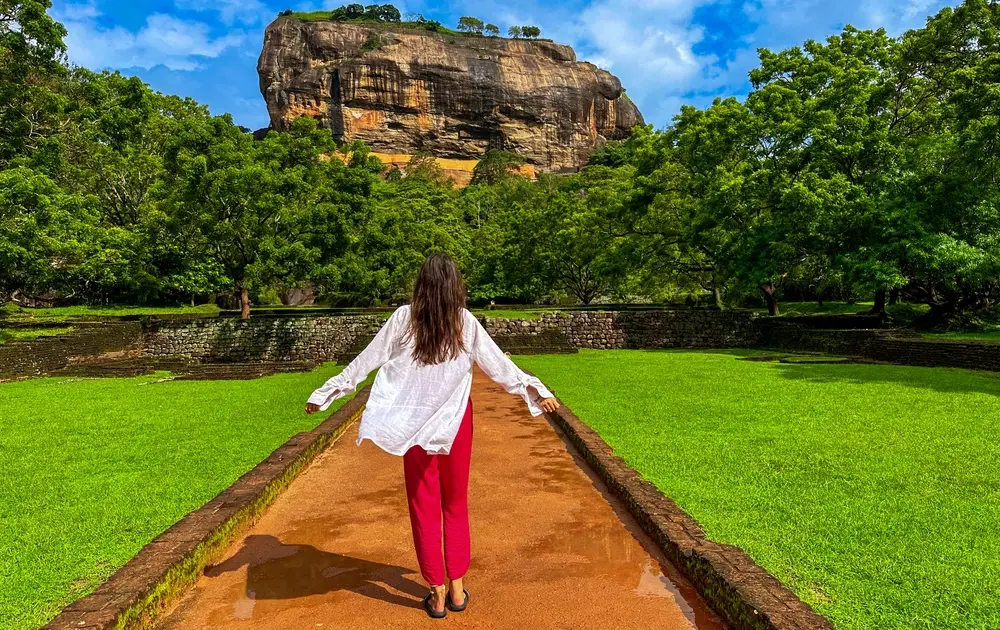
Urban reforestation revitalizes cities, not only for the ground but for those toiling on it. When cities plant and restore green spaces, it generates employment in numerous facets. We need workers for landscaping, park care, and leading small and large groups eager to discover city nature. Eco-tourism services utilize these green spaces for walks, bird watching and even day camps. Local guides, gardeners and maintenance crews all thrive. In a lot of locations, these jobs serve as an entry point for individuals who might not otherwise find consistent employment, providing new pathways to a variety of backgrounds and skill-sets.
Entrepreneurs discover fresh opportunities, too. When trees and parks return, people want to be outside more. This ignites small businesses such as bike rentals, snack carts or nature tours. Others provide guided walking tours at night to observe urban wildlife or photography tours of indigenous flora. Public-private partnerships help these businesses get started and grow, as both city governments and private investors recognize the importance of green tourism. These partnerships construct new trails, renovate aging parks, or provide amenities that make green spaces more inviting. So a lot of cities around the world use these models, energizing local economies without overly burdening public coffers alone.
Training is key for these jobs to endure and workers to thrive. Below is an example of a possible training program with simple modules, building skills for the green tourism workforce:
- Urban Ecology Awareness: Teaches the basics of city plants and wildlife, showing why reforestation makes a difference for people and nature.
- Visitor Engagement and Safety: Focuses on how to lead groups, keep them safe, and share knowledge in a fun, clear way.
- Green Maintenance Skills: Covers care for parks and planted areas, including safe use of tools and best ways to protect soil and water.
- Sustainable Business Practices: Helps those who want to start a green-focused tourism business, covering eco-friendly methods and how to reduce pollution or waste.
- Environmental Impact and Ethics: Explains the link between tourism, pollution, and loss of nature, stressing ways to cut CO2 and use resources wisely.
Youngsters can get a foot in these doors, as well. Seasonal jobs and internships in city parks, gardens, and tourism offices provide hands on experience while instilling the value of green spaces. Several cities operate youth programs linked to reforestation, allowing students to assist in tree planting or conduct family hikes. Jobs that mold skills and careers and make young workers give a damn about their city’s health.
Tourism does cause issues. Growth can mean more cars, planes and energy use and higher CO2 and more air pollution. It accounts for more than 3.9% of pollution, studies reveal, frequently as a result of the additional cars and energy consumption that may be associated with tourist activities. Building new hotels and roads can disrupt nature and wildlife, draining water and occupying land that was once wild. That’s why, in part, some cities these days are mandating green for new tourism endeavors. Governments can assist by providing clear regulation and incentives for green enterprise, ensuring that development does not compromise what makes cities unique.
Environmental quality and visitor experience
Urban reforestation sets the tone of cities and influences people’s perception of them. City trees do way more than just make things look nice—they actually help transform the air, the earth, and the entire vibe of an area. All these modifications render cities more welcoming to visitors and hold out an improved quality of life to residents.
Better air quality is one of the great benefits of urban trees. They trap dust and fine particles so the air is cleaner for all visitors. In wooded areas, researchers discovered significantly less airborne dust than in open spaces. This is important for guests, who could be vulnerable to bad air or want to enjoy the outdoors worry-free. They reduce noise by blocking and absorbing sound, which makes crowded tourist destinations feel more peaceful and serene. This ease contributes to distinguishing a few cities as best cities to relax.
Trees keep cities cooler. The shade of their leaves and the moisture they release can cool cities, even lowering temperatures by up to 2°C in heavily treed neighborhoods. This cooling is essential in the hot months, allowing visitors to more easily enjoy parks, outdoor markets, and festivals. In locations where heat is a concern, the additional cool shade translates into increased visitation and extended durations. Trees can save energy, too. Properly planted, they can reduce air conditioning usage by approximately 30% and serve as windbreaks to reduce heating costs in the winter. These savings benefit not only city budgets but local hotels or cafes, which can invest funds in enhancing visitor amenities.
Urban trees not only assist humans, they assist animals as well. Birds, insects and small animals discover food and protection in a city tree, enriching the local biodiversity. For visitors, it provides opportunities for birding and close encounters with local animals, right in the heart of a bustling urban center. A few cities even provide urban wildlife walking tours, attracting visitors interested in more than just architecture and shopping. The trees chosen and design of green space frequently echo city planning decisions and local history, which gives an extra dimension of interest to visitors keen to discover a city’s history and identity.
Health and wellness tourism is booming, and urban trees are essential. Not to mention how green spaces are correlated with reduced asthma, allergies and other respiratory problems. Pollution-free air, reduced noise, and a cooler climate all make people feel better, which is crucial for wellness seekers. Parks and tree-lined boulevards provide safe places to jog, practice yoga or just enjoy a quiet walk, making cities more appealing to the health-conscious. Even small green spaces can have a big effect on mood and health, just as a single mature tree can emit enough oxygen annually for two people. Green space has proven beneficial in combating large scale issues like stormwater — cutting runoff by 50% and assisting cities in coping with heavy rain, though afforesting dense city centers can be difficult.
Community partnerships and sustainable tourism models
Urban reforestation brings more than just green city spaces. When connected with tourism, it has the ability to strengthen local economies, foster productive communities, and preserve natural and cultural history. Sustainable tourism models thrive when they unite with community alliances, public and private partners, and local leaders. Through community partnerships and sustainable tourism models, they help ground city forests as destinations that both greet visitors and provide for local communities.
- Non-profit groups: Can run education programs, eco-tours, or community clean-ups in city green spaces.
- Local business groups: Can help market urban forests as visitor spots or sponsor events.
- Resident associations: Can take part in planning, feedback, and upkeeping urban forests.
- Cultural heritage groups: Can guide the protection and sharing of local customs or historic sites found in urban woods.
- Schools and youth clubs: Can use forests for outdoor learning and help teach eco-friendly habits.
- Tourism operators: Can design tours that highlight both the natural and cultural side of city forests.
- City government agencies: Can set access rules, fund upkeep, and connect city forests to transit or local services.
Public-private partnerships can be the key to cultivating and maintaining urban forests. City governments could team up with businesses to underwrite new planting, or add paths and signs. A hotel group could sponsor tree planting, for example, and a tech firm might develop an app to lead tourists through green spaces. These partnerships share costs and ensure that forests remain healthy for years. They attract additional visitors which helps increase local revenue. Take, for instance, the case of Gauteng, where natural attractions have generated in excess of R35 billion in tourism revenues, highlighting the potential of green city spaces as economic engines.
Opening green spaces to all, must be for inclusive tourism Paths, signage and public facilities should be a boon to young and old and all abilities. This includes ramps, easy-to-navigate maps and rest stops, so that both residents and visitors can embrace city-wilds. When city planners solicit input from locals and organizations, they frequently discover innovative solutions to address all parties’ needs. Inclusive spaces aid in tearing down social barriers. In other locations — like the Dai community of China’s Yunnan Province — tourism has become interwoven into the fabric of everyday life. With its timeless stilt homes and communal sharing of local traditions, the community embraces visitors but remains grounded.
Telling best ideas & success stories so other cities can learn & grow! When a city manages to assist the economy and environment, it can demonstrate to others what’s effective. Take, for example, certain cities where as many as 40 percent of local jobs are connected to tourism via community partnerships. These models demonstrate how tourism, when done thoughtfully, can contribute to reducing environmental damage and preserving local culture. By sharing these lessons, such as how to reduce carbon emissions, increase local employment, or preserve local traditions, other cities can forge their own roads to sustainable tourism.
Maximizing benefits and addressing challenges
Urban reforestation stimulates tourism by making cities more vibrant, cooler and healthier. The more cities plant trees and craft green spaces, the more visitors revel in a respite from heat and concrete. Urban trees can cool city air by up to 9ºC and tourists flock to them, particularly in summer. These green spaces assist with stormwater management, as trees reduce runoff by 5-10%. It makes parks safer and cleaner for visitors, particularly in rain-prone cities. Urban nature provides mental health benefits as well. Simply walking or taking a break in tree-dotted parks can reduce stress, anxiety and even depression. As tourism flourishes around urban forests, cities confront new challenges and must design for both people and the planet.
A checklist for monitoring visitor impact and protecting urban forests helps keep these spaces healthy:
- Establish defined paths for foot traffic to prevent soil and root damage.
- Monitor tree health and soil conditions on an ongoing basis. Search for compacted earth, snapped branches or evidence of illness.
- Track your traffic, particularly in the busy season, with counters or simple surveys to identify patterns.
- Posting signs that remind visitors to not litter, pick flowers or feed animals.
- Provide educational tours for visitors to explore why trees are important, in addition to their air cleaning abilities (filtering out the equivalent of 711,000 metric tons of air pollution annually in the US alone), and why some species are planted.
- Be on the lookout for downside impacts, like additional allergens which could increase asthma rates, and anticipate mitigation, such as planting low-allergen tree species.
- Involve local communities in oversight and feedback, as they utilize these green spaces on a daily basis.
Tourism and conservation require distinct frameworks. That means establishing guidelines for accessing green spaces, capping tour group sizes, and closing areas for regeneration. Tree species and location count — cities should select trees that complement the climate, provide habitat for native species and don’t exacerbate health issues such as asthma. Such period reviews can help fine-tune rules as needed, keeping parks both welcoming and resilient.
Continued investment in maintenance and infrastructure is crucial. Cities need to allocate funds for pruning, pest management, replacing dead trees and repairing sidewalks. As they become more popular, adding benches, signs and restrooms all make them much more usable. Improvements such as improved drainage or non-slip footpaths enable parks to accommodate increased visitor numbers and inclement weather, while minimizing stormwater runoff.
Tourism development can conflict with community needs. Open, honest planning helps you avoid problems. Cities should involve residents, local businesses and other groups in decisions about park usage, events and maintenance funding. This helps to build trust and make certain green spaces work for all. Social benefits — stronger community ties, and more public events — are possible when everyone feels heard and involved.