Reforestation and biodiversity: supporting endangered species and restoring ecosystems
5 August 2026The link between reforestation and biodiversity
Reforestation sculpts the balance of our earth by aiding in the return of misplaced forests and revitalizing the diverse array of life that relies on them. When we restore forests, flora and fauna thrive. The impact of reforestation on biodiversity is apparent.
- Reforestation restores habitats destroyed by agriculture, logging, and other transformations. When you plant native trees, you’re not merely greening the land. They create actual habitats for birds, insects, and mammals. Broadleaf and subtropical evergreen forests, for instance, provide a tough benchmark for how biodiverse a forest can be. In parts of China, post-Great Leap Forward Era reforestation has restored biodiversity to pre-large scale forest removal levels. In Costa Rica and the Brazilian Atlantic Forest, decades of work have demonstrated that animal and plant species can rebound if forests are allowed to regrow.
- Planting native trees is crucial as these provide food and refuge to native fauna. Native trees pull in bugs, pulling in the birds and mammals that eat those bugs. Their roots bind the soil, preventing erosion, and their fallen leaves return nutrients to the earth. As a consequence, the post-reforestation connection between biodiversity. In regions where non-native trees alone are planted or when reforestation efforts target timber, the food web can collapse. Research demonstrates that the bee species richness on reforested land varies — often 87-92% lower than in ancient forests, but sometimes just as rich as cropland — based on where and how reforestation is conducted.
- Reforestation rebuilds fundamental ecological services such as soil formation, water purification, and air filtration. Healthy forests slow down rain, allowing it to soak into the soil and recharge groundwater. Roots retain nutrients and prevent rivers from silting up. In addition to absorbing carbon dioxide, forests contribute to tempering global warming. These benefits extend well beyond the forest edge, nourishing humans and animals alike in distant regions. For instance, forest restoration, including reforestation, could contribute as much as 30% of needed climate action by 2030 to keep warming below 2C.
- Greater biodiversity equates to more robust ecosystems. When more species of plants and animals inhabit a forest, the ecosystem can recover from droughts, pests, or disease. Varied forests fend off invasives better, too. Reforestation is not unlimited. As the world’s appetite for timber increases, some reforested land replanted for timber or pulpwood may not sustain the same biodiversity as pristine forest. Certain forests even return to regions in which human utilization has reduced the land’s capacity to host carbon and biodiversity. Experts say as much as 80% of global forest edges are restorable, and reforestation is a major component of this opportunity.
Endangered species and forest ecosystems
Forests are among the earth’s most intricate living systems. So does a rich variety of wildlife—animals, plants, fungi, and microbes—who all rely on the cover, food, and shelter that forests provide. A large number of endangered species—there’s the Philippine eagle, the wood turtle, the Hawaiian hoary bat—simply cannot survive without forests in a healthy state of existence. Tropical forests, for example, depend on animals to disperse seeds and assist trees regrow when sections of the forest are destroyed. When these systems fail, entire chains of life can become unbalanced, threatening additional species.
- Forests are life at many levels. They provide food, nesting sites and shelter. Others, like birds and bats, disseminate seeds and pollinate flowers. Without them, it’s more difficult for new trees to grow, potentially preventing forests from regenerating after they’ve been damaged. When our forests shrink or fragment, the Southern Resident orca and other species suffer — even if they swim miles away from shore. For one, forests maintain healthy river and coastal areas that fish and other prey depend on. Destruction of forest results in loss of prey, increased pollution and other issues which cascade on to entire food webs.
- Reforestation can heal shattered habitats. When you fragment forests, it becomes difficult — if not impossible — for animals to travel, mate, and access food. With reforestation, these fragments could be linked once again, providing endangered species a bit easier to survive and thrive. For instance, planting native trees between two isolated woods provides an animal bridge. This helps species like the wood turtle or certain birds spread out. It lets their genes mingle, which maintains animal populations robust and less vulnerable to sickness.
- Returning native trees returns balance. In a robust forest, natural “checks and balances” of predator and prey maintain populations. When these ties break, some species become over-abundant and others disappear. Reforestation, through the planting of native species, restores the interdependent ecosystem of plants and animals. Such as reviving native trees in the Philippines to preserve the particular food web required by the Philippine eagle, one of the world’s rarest birds. This equilibrium works to contain pests and disease, further stabilizing the entire forest.
- Targeted reforestation can halt extinction. Certain areas are more critical for preserving wildlife than others. By focusing on these locations, reforestation can provide endangered species with their most pressing need—secure habitats in which to survive, forage, and reproduce. Sometimes this is the only way to prevent a species from going extinct. For instance, restored forests in critical regions can revive habitats for rare Hawaiian bats or sustain the food chain of the Southern Resident Orca by maintaining healthy river ecosystems.
By restoring forests, we save local animals AND slow climate change, which endangers life everywhere.
Metrics for measuring reforestation success
Reforestation isn’t just about the trees. It’s about assisting impaired ecosystems achieve equilibrium and providing imperiled species an opportunity to flourish. To measure actual, meaningful progress, you need to look at how the nature itself responds over time — not just how many seedlings you can get in the ground. Approximately are critical metrics for measuring the success of reforestation projects in supporting biodiversity and ecosystem health.
- Species richness (# species in an area)
- Community composition (which species are present and their abundance)
- Functional trait-based indices (how species interact with environment)
- Population trends of indicator species
- Soil quality (nutrient levels, structure, and organic content)
- Water retention (how well the soil holds water)
- Carbon sequestered (in the soil and trees)
- Ecosystem functions (dung removal, soil excavation, seed dispersal)
- Species accumulation curves and richness estimators (for survey completeness)
Following the comeback and expansion of indicator species provides a clear view as to whether an ecosystem is headed in the right direction. These are species whose abundance or populations reflect changes in habitat quality. Dung beetles, for example, are a robust case in point. They track how their community composition changes as a site transitions from degraded pasture to restored forest, logging actual progress. With the increase in dung beetle diversity, their contribution to other ecosystem functions such as dung removal, soil excavation and seed dispersal increases. These are crucial for the nutrient cycling and regeneration of the forest, which in turn supports endangered species and allows the ecosystem to heal.
Biodiversity metrics help indicate how many have returned and how they cohabitate. For example, species richness and community composition can account for 47-74% of how dung beetles aid the ecosystem. Examining what species do — not just which species are present — provided even more nuance. Functional trait-based indices examine species roles—how they tunnel, disperse seeds, or decompose trash. These can account for shifts in ecosystem health better than merely counting species. Seed mimics, for example, allow researchers to observe how effectively dung beetles are dispersing seeds, a key factor in regrowth.
Environmental factors are important. Pre- and post- soil checks, water retention, and carbon storage provide concrete metrics for how fertile the land is. It turns out healthy soil both stores more nutrients and holds more water, all while nourishing plants and animals. More carbon stored, the site slows climate change. These checks indicate transformation over time and assist in identifying deficiencies in the restoration process.
Remnant rainforest patches serve as a proxy for the restoration target, and degraded pasture provides the baseline. By comparing restored sites to these benchmarks, it’s easier to demonstrate progress and identify areas that need more work. Species accumulation curves and richness estimators can help verify that surveys are complete, ensuring that the data from each site is reliable.
A simple table can help track site progress. It can enumerate each site, rates for species richness, community composition, soil, water retention, and carbon storage. This table can indicate not only which sites are meeting goals and which need additional assistance, but where spot wins are occurring as well.
Approaches to reforestation and their impact
Reforestation is key to aiding endangered species, but how those forests return can be the difference between a thriving, sustainable ecosystem and a quick patch. Different strategies yield different benefits for biodiversity, carbon storage, and the livelihoods of the people who live nearby. Forest and landscape restoration (FLR) is more than planting trees, it’s about restoring ecological integrity and improving human well-being. Agroforestry, for instance, integrates trees directly into agricultural land, mixing crops, animals and forests. This method not only renews the earth but provides a reliable income for families — a win-win approach that’s effective in many regions around the globe.
| Approach | Benefits | Limitations |
| Monoculture Plantations | Fast tree cover, simple to manage | Low biodiversity, little carbon stored, poor wildlife support |
| Mixed-species Planting | Richer biodiversity, more stable forests, supports more wildlife | Needs more planning, higher upfront cost |
| Native Species Focus | Better fit for local wildlife, supports ecosystem health | Some native species hard to source, slower initial growth |
| Agroforestry | Improves land, supports livelihoods, restores soil and water cycles | Complex to manage, may need more training for farmers |
| Natural Regeneration | Low cost, uses local seed banks, can be very fast in some climates | Needs nearby seed sources, may be slow or patchy on degraded lands |
| Framework Species | Kickstarts forest growth, attracts seed-dispersing animals | Needs knowledge of ecosystem, some species may not thrive everywhere |
Opting for native species is crucial for any reforestation initiative that seeks to assist endangered wildlife. Native trees and plants adapt well to local soil, weather, and wildlife, ensuring that the new forest aligns with the area’s natural rhythms. When projects employ non-native or fast-growing commercial trees, the result often appears green but sustains little more than a few hearty species. Instead, native species can provide birds, insects and mammals with both the nourishment and shelter they require, assisting the recovery and flourishing of rare or threatened species.
Forests composed of a variety of species, not a single one, are typically more resilient. Mixed plantings are better able to resist pests and diseases and maintain healthier soil. The framework species approach uses this idea: a blend of trees common to the local forest, which shade out weeds and draw animals that spread seeds. This accumulates strata of life, from small insects to large animals, more rapidly than a monoculture stand. Over time, this plant diversity enhances not only the variety of species, but the roles they play—pollinating, leaf-decomposition, seed dispersal—creating a more robust, resilient forest. Here and there in some of the humid tropical spots, where the land is lightly damaged and the soil seed banks rich, natural regrowth can close the canopy in less than a year. Yet it takes up to 120 years for all species to make a full comeback.
Local people know their forests best! Their old-school know-how—such as selecting trees or nurturing seedlings—can be the difference between a successful and a doomed endeavor. When reforestation harnesses this knowledge and honors local traditions, it’s more likely to restore genuine, living forests that serve both humans and animals. Biodiversity gets a boost as well, since those who live on the land can identify what’s lacking and assist in filling in the gaps, be it a specific fruit tree or a seed-spreading bird.
Challenges and risks in global reforestation efforts
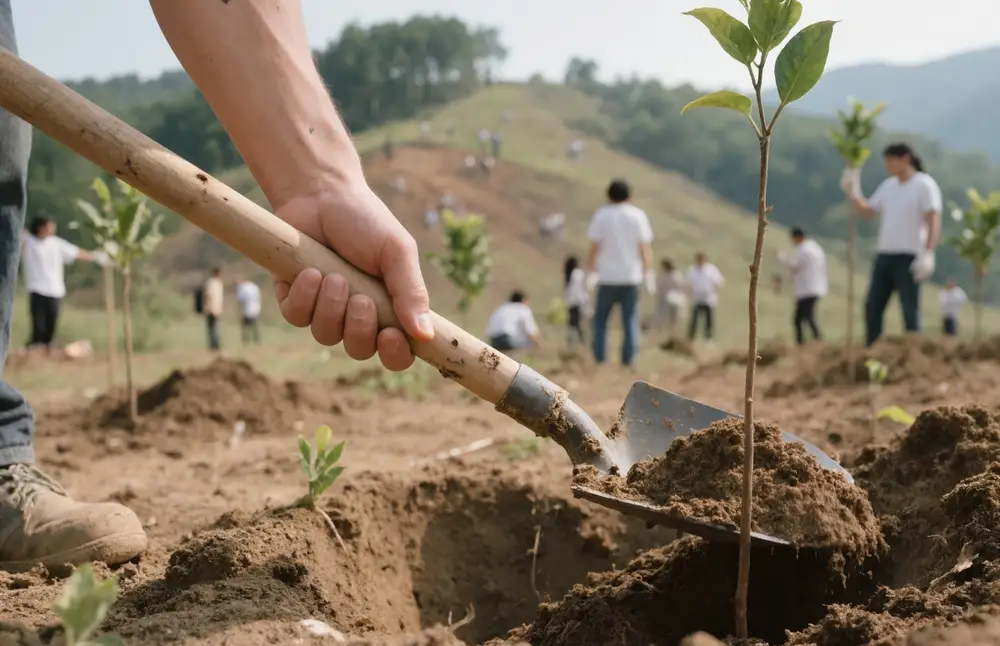
Global reforestation is one of the greatest weapons we have to save endangered life, yet these challenges deserve serious attention. These initiatives can go awry when dangers such as invasive species, poor site selection, and insufficient maintenance interfere. Invasive species frequently outpace native plants, displace fauna and disrupt the equilibrium of the ecosystem. For instance, planting somewhere that appears bare but actually harbors rare native grasses can end up eradicating these low-level species. Reforestation efforts without follow-up tend to leave saplings to perish from drought or beetles, reverting the ground to barrenness.
Planting monocultures, or using fast-growing exotics, can appear to be an expedient solution. These decisions frequently do more damage than good. Monocultures, such as eucalyptus or pine planted beyond their native range, can degrade soil, desiccate water sources, and displace flora and fauna that rely on a diverse array of trees. Certain areas that converted cropland to monoculture forests recorded bee species falling, demonstrating that not all forests nurture the same life. Planting a diverse mix of native species, on the other hand, can both sequester carbon and maintain soil health, but this requires strategic planning, and it’s more expensive initially.
Funding and manpower are significant factors. Long-term funding is difficult to obtain but essential for nurturing forests as they mature. Certain reforestation projects cost $431 per hectare per year on average, a heavy lift for local families—up to 12.8% of their income. Without reliable financing and local support, forests will be sown but then abandoned to perish. Community support counts, but it can slide as pockets get lean in rural incomes. Most rural families these days depend more on urban employment or off-farm work — so it’s hard to enlist their participation in forest stewardship.
Land use is another sore subject. Forests vie with agriculture and urbanization for land. Elsewhere, land that could grow new forest is desired for food or construction. Initiatives such as China’s Grain for Green Program highlight both the potential and dangers. Millions of hectares were transformed, but the transition altered community land use and in some cases created new tensions and strained local economies. In arid regions desertification further complicates forest regeneration efforts.
Climate change and relentless deforestation stress ecosystems, increasing the urgency of intelligent reforestation even as it becomes more difficult to accomplish. Achieving success requires a combination of local expertise, thoughtful species selection, and continued maintenance to ensure these forests benefit both wildlife and communities for years to come.
Community involvement and collaborative solutions
Community involvement and collaborative solutions work best for reforestation projects. Governments, NGOs, indigenous groups and private landowners all have their own unique skillsets and expertise to offer. When these groups forge genuine partnerships, they can organize and expand reforestation to meet local needs and resources. Collaboration can address the underlying causes of deforestation such as inadequate land-use planning and resource constraints, providing forests an opportunity to regenerate and remain resilient in the long term.
Local communities do their share for reforestation. When forest neighbors are involved in planning and planting, they develop a deeper concern for the land. Community-led tree planting events and school programs help educate people why forests are important. This practical work fosters pride and ownership. For instance, villages in Central America and parts of Southeast Asia have regenerated huge swaths of degraded land by establishing reforestation brigades. These initiatives typically promote improved agricultural practices and more intelligent land utilization, thereby making the benefits more sustainable.
When it comes to reforestation together, that means all hands on deck. It’s not just about planting trees, but about adapting the work to the local lifestyle. For many forests, Indigenous Peoples call home, where the land is interwoven with daily life and culture. Respecting their indigenous ecological knowledge renders reforestation schemes more robust. In others, ancestral knowledge on native species, soil and water utilization promotes forest regrowth that benefits nature and communities alike. This respect for old knowledge, salted with new science, frequently produces superior results in the long run.
Examples of collaborative solutions for community involvement in reforestation include:
- Co-managed forests with governments and local communities jointly sharing decisions and responsibilities
- Community nurseries that grow native tree seedlings for planting
- Training initiatives to impart skills such as seed harvesting and woodland tending
- School partnerships that connect students with local conservation projects
- Equitable compensation or rewards for communities who assist in conserving or reforesting.
- Forums for open dialogue among all parties, facilitating trust and shared objectives
There are tangible advantages to engaging communities as well. Research indicates that if local people lead or co-direct the efforts, projects are less expensive and tend to be sustainable. Individuals acquire new expertise, such as operating nurseries or monitoring wildlife, that can introduce new employment opportunities or livelihoods. At the same time, these projects give communities a voice — ensuring that reforestation meshes with their lifestyles and beliefs. Open dialogue and respect for differing perspectives builds trust and better collaboration between all parties.
Innovations and future directions in reforestation science
Reforestation science is evolving rapidly, influenced by emerging technology and innovative perspectives. These breakthroughs restore forgotten forests and provide habitats for endangered animals. Today, there are more ways to restore forests, from employing technology for rapid planting and intelligent monitoring to selecting trees that thrive in the future climate. Even still, many projects are now combining replanting on bare land with restoring partially degraded forests. This combo is effective because even broken forests frequently contain more life than open lands, and they’re cheaper to repair. The proper combination can increase the land available for restoration by 25%, creating space for additional species and improved outcomes.
Advancements in drone technology and remote sensing
Drones and remote sensors are now central to many reforestation projects. These technologies can sow seeds across vast tracts that are inaccessible to humans. They save time and reduce costs. For instance, drones can seed-drop over hills, marshes or areas with bad roads. Remote sensing assists in monitoring tree growth and detecting issues such as disease or pests. It can highlight which patches of forest regrow fastest, assisting teams select the ideal locations for their efforts. Drones gather information on the health of young and old trees, as well. This reduces the requirement for individuals to trudge miles over hard terrain, allowing projects to be both safer and speedier.
Development of climate-resilient tree varieties
With changing climate and increasing temperatures, not all trees can grow where they used to. Scientists are now seeking out and cultivating varieties of trees that can withstand drought, storms, or shifting soil. One strategy is simply to select seeds from trees that already thrive in difficult locations. Another is to experiment with cross-breeding, blending the genes of robust trees so the offspring can tolerate more strain. In arid regions of Africa and Asia, where approximately 800 million hectares apiece are available for restoration, these robust trees could enable forests to endure. These trees don’t just survive harsh weather but provide refuge and sustenance to endangered creatures, supporting entire ecosystems.
Genetic and ecological research for rare and keystone species
That’s because some species, such as some big fruit trees or important pollinators, have massive roles to play in forest life. Genetic studies can indicate which are endangered or absent in a specific region. This work allows planners to restore the appropriate diversity of flora and fauna. Take Brazil, for instance, where reforestation projects have revived rare trees that birds and monkeys rely on. If we plant those species first, the rest of the forest can fill in faster. The research demonstrates that restoring the land surrounding forest patches assists rare species in colonizing earlier, making the ecosystem as a whole more biodiverse.
Data-driven decision-making tools
Smart data makes whole teams know where, what, and how to plant. Tools such as spatial multicriteria analysis allow them to consider multiple objectives simultaneously, such as enhancing biodiversity, sequestering carbon, or minimizing expenses. With approximately 45 percent of all potential restoration land designated as high priority, these tools assist in optimizing time and financial resources. Teams can choose locations that will best benefit the most species or the most carbon storage in the land. It demonstrates that restoring degraded forests is almost always more cost effective than starting from scratch, so planners can go further and aid more species.
Individual actions for supporting reforestation and biodiversity
Reforestation and biodiversity are most effective when many people contribute. The decisions we all make together accumulate, affecting the fate of forests and wildlife alike. No action is too small to accelerate habitat restoration, combat climate change and ensure habitat for endangered species.
Participate in local tree planting and conservation events
Participating in local tree planting events or volunteering with conservation organizations are excellent ways to make concrete contributions. There are often local groups that host planting days, seed collection campaigns and habitat clean ups. Parrish volunteers after wildfires or storms, collecting and rescuing native tree seeds — essential for reforestation. By participating in these projects, individuals can contribute to planting the appropriate trees where they’re needed. Planting mangroves along a shore, for instance, can restore wrecked wetlands, while planting fruit or timber in rural areas can provide for both animals and humans. Other organizations require assistance such as mapping planting sites or recording the status of saplings. These tactile measures not only rewild the terrain but teach individuals how to cultivate a verdant forest.
Support certified reforestation projects and responsible companies
Donating to reputable reforestation initiatives is a means of assisting regardless of location. Many global organizations apply donations toward planting trees, caring for young forests and protecting old ones. By supporting these groups, you’re ensuring that money goes to science-backed initiatives, where experts select climate-smart trees that will endure in a warming world. It helps to purchase from brands transparent about their forest restoration efforts. Certain brands, for example, plant a tree for every item they sell, or exclusively use wood from responsibly-managed forests. Through their deliberative decisions, consumers nudge more corporations to safeguard forest and wildlife.
Plant native trees and create wildlife-friendly spaces
Planting native trees in your yard, garden or local park provides small, but valuable environments for wildlife. Native plants provide sustenance and shelter to birds, bugs and mammals, supporting their survival while forests regenerate. Planting fire-resilient or climate-smart species in areas impacted by fire or storms promotes quicker forest recovery and resistance to future hazards. Others organized personal nurseries to raise saplings, then plant them where required most. Taking care of these saplings as they grow — ensuring they’re watered and protected from pests — is a tremendous boost for the local biodiversity. Planting in groups or strips, if there’s room, can create more robust connections between wild areas that allow animals to move and seeds to disperse—a critical component of healthy forest regeneration.
Raise awareness and build community support
Sharing the love for why forests matter is equal to tree planting. Spreading easy truths on social, chatting to mates, doing something with schools and groups can get more people to see the connection between reforestation, biodiversity and endangered species. Educating friends on how animal seed dispersal leads to reforestation, or how responsible forest stewardship protects habitats, can motivate others to participate. Community-led talks, posts, workshops, etc. All help keep reforestation a priority.