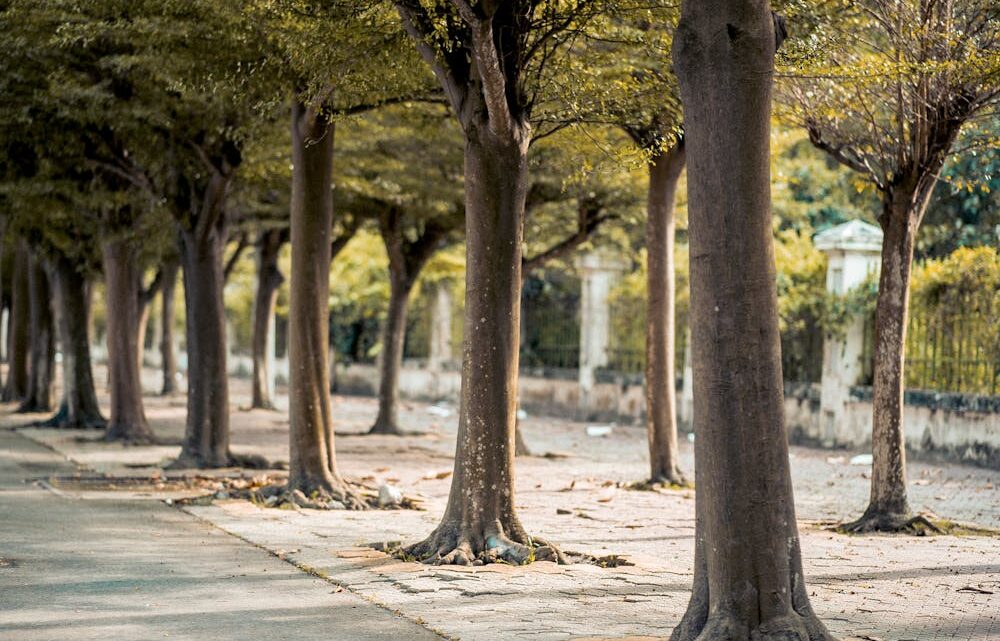
Planting urban forests for cleaner air and stronger communities
2 June 2026Urban forests and city sustainability
Urban forests are vital to creating more livable, future-ready cities. They do a lot more than provide shade and beauty. They are essential to how cities confront major challenges — overheating, congestion, the demand for clean air and green spaces. With over 80% of Americans and Canadians now living in cities, these green spaces aren’t just nice to have—they are necessary. Urban forests do best when everyone has a voice in how they evolve. City leaders, tree managers, and residents all need to share a vision and set concrete goals. It is this common blueprint that contributes to ensuring that urban forests are sustainable, not only for today but for years to come.
Urban forests, cities and sustainability As cities become hotter and storms become fiercer, trees can provide a stabilizing influence. They absorb carbon and temper warming. Since the 19th century, global average surface temperatures have increased by approximately 2 degrees F. It doesn’t seem like a lot, but in cities crammed full of concrete and steel, that heat accumulates quickly. City planners continue to put more trees on streets, parks and vacant lots as trees are a barrier to heat and weather extremes. It’s more than simply planting trees. Urban forests require consistent maintenance and thoughtful design. That implies monitoring tree health, selecting the optimal species mix and ensuring sufficient resources are available for watering and pruning. Tree managers, public and private, must enlist local residents, as some 60 to 90 percent of urban trees in the US are on private land. It’s this teamwork that keeps urban forests strong and healthy.
Urban forests reduce heat islands in congested city neighborhoods. When tree canopies shade more area, they prevent sun from reaching roads and rooftops. It cools the air and makes hot summer days more comfortable. Singapore and Melbourne have both made tree cover a priority, demonstrating to the world how lush green canopies help busy downtowns breathe a little easier. These initiatives make the biggest difference where parks and private yards are scarce. Strategically planted tree lines can cool an entire block, reduce energy expenses for proximate buildings, and make walking or biking outdoors safer and more enjoyable.
Biodiversity benefits from cities that promote the creation and maintenance of urban forests. Birds, bugs, and small mammals take up residence in these green pockets. This helps to make cities more sustainable, in the sense of an urban forest with a diverse and balanced population of flora and fauna. Consider how a tiny park with a few native trees might bring city gardens alive with pollinators. Through smart species selection and maintaining tree diversity, cities can champion urban wildlife and assist in habitat restoration.
Urban forests simplify living in ways that support the planet. They provide us with spaces to walk, bike, or play outdoors. When cities plan parks and treelined routes, residents will opt to walk or bike instead of drive. This transition reduces pollution and creates community. All around cities, these areas are home to community events, farmer’s markets, and activities that make neighborhoods feel more closely-knit. Sustainable urban forests don’t just happen. They require maintenance, strategy, and continuous contribution from everyone in the city. Every tree, park and green street is a stride toward healthier, more balanced lives for everyone.
Air quality and temperature regulation
Trees in urban areas serve as natural filters. Their leaves and bark absorb damaging gases such as ozone, nitrogen dioxide, and fine dust or particulate matter. This clears the air, so you breathe easier. Tall, hardy trees do the majority of the work — research has found that a mature tree can absorb up to 70 times more air pollution than a young tree. In US cities alone, urban forests remove millions of tons of air pollution annually. To illustrate, trees in Strasbourg, France, filter out approximately 7% of PM10 pollution. The mean reduction in air pollutants attributable to trees is minor—approximately 0.5% for particulates and slightly less for sulfur dioxide and nitrogen dioxide — but over time, these reductions accumulate, particularly for populations in highly polluted regions.
The work trees are doing in air quality and temperature regulation in cooling cities is equally critical. In the summer, trees shade roads and homes, preventing the sun’s rays. Their leaves, meanwhile, transpire water into the air, cooling things even further. This process — known as transpiration — can cool the local temperature by several degrees. Indeed, a study conducted near a park in Tokyo found that trees cooled down a 120-acre area, causing a reduced demand for air conditioning and reduced energy consumption. In winter, trees provide additional benefits by acting as windbreaks, so that buildings require less heat. These modifications reduce the energy individuals consume to cool down or heat, conserving funds and decreasing emissions from power stations. Tree selection is important, as well. Certain trees, such as black locust, European oak and poplar, emit higher levels of isoprene, a gas that increases ozone. That means cities have to select the appropriate mix of trees for their specific climate and pollution issues.
Colder streets and purer air feel good — cold streets and pure air do more than just make cities nice living places. They keep folks healthy. Bad air gives you breathing issues, heart disease and more. They help reduce the threat by purifying the air. They assist in mitigating heat stress — which can be fatal in large urban centers during heat waves. Mapping and monitoring where trees are planted informs city planners where to target next. Less tree cover = hotter + worse air. By overlaying tree maps with air data, cities can select optimal locations for planting new trees to maximize impact. They contribute to the fight against climate change by storing carbon — an estimated 36.7 million tons of it each year, worth billions in environmental value.
Water management and flood control
Urban forests assist cities in their water management and flood control efforts in intelligent and pragmatic ways. Combined with tree roots and leafy canopies and the soil beneath them, all of this slows stormwater and makes cities less flood-prone. When it rains, tree leaves and branches intercept part of the precipitation before it reaches the floor. This step–called interception–decreases both the velocity and volume of water that runs off streets and roofs. The percentage of rain water captured varies considerably depending on the species of trees, the density of planting and the degree of maintenance. For instance, research shows that in cities such as Sacramento, California, urban trees can intercept as much as 1.8% of the annual rainfall citywide. In denser groves, where trees crowd one another, water evaporation into the atmosphere can fall, and interception loss can be 18–45% of rainfall, depending on the arrangement of the trees.
Tree canopies not only catch rain, they decelerate its velocity as it strikes the ground. This delay is significant because it allows the soil to absorb more water, reducing the likelihood of major floods. Tree roots assist as well, by breaking up the soil, allowing more water to trickle in. One greenhouse test concluded that soil beneath trees allowed approximately 63% more water to leak through it than did bare soil. This increase in infiltration equates to more rain getting into the ground rather than rushing down storm drains. In locations where green space is limited, even small clusters of trees or shrubs can really have an impact. When trees and shrubs line a river or stream, their roots anchor the soil. This prevents soil from washing away and reduces erosion, which is essential to maintaining clean, healthy waterways.
Groundwater recharge is an additional benefit. When rainwater soaks in rather than running off, it has a chance to replenish underground water reserves. Urban forests and other green spaces assist this step by fracturing concrete and hard surfaces. Rain gardens, bioswales, and other green infrastructure join with trees to increase infiltration. For instance, green roofs can return up to 79% of the water they receive back to the atmosphere through evapotranspiration. This prevents as much water as possible from entering the city’s pipes and drains to begin with, reducing the overall volume they have to convey and contain.
Still, green infrastructure doesn’t entirely supplant gray infrastructure like pipes and channels — but it does relieve some stress on these systems. When cities mix in both, they achieve better outcomes for stormwater management and flood mitigation. The combination varies based on local requirements, weather and the amount of area allocated to gardens.
| Stormwater Management Costs (per hectare per year) | With Urban Forests | Without Urban Forests |
| Construction / Installation | $5,000 – $15,000 | $10,000 – $25,000 |
| Maintenance | $1,000 – $3,000 | $2,000 – $5,000 |
| Flood Damage Repair | $500 – $1,500 | $2,000 – $6,000 |
| Total | $6,500 – $19,500 | $14,000 – $36,000 |
Economic opportunities and value creation
There are tangible economic opportunities and value creation in urban forests for the cities and inhabitants. Tree-lined neighborhoods have higher home prices. Research indicates that property values increase by 10-15% in neighborhoods with mature trees and green avenues. The lift flows from the shade, beauty, and comfort that trees provide. Buyers desire to reside where things seem peaceful, wholesome, and tidy. Owners, renters, and even local governments all enjoy this consistent appreciation in value. In certain cities, tidy urban forests aid in invigorating revival, resurrecting abandoned regions and attracting new investment.
Urban forestry creates employment options that can aid individuals in urban environments, particularly where employment is scarce. Tree planting and care and management require skilled workers. These ‘green jobs’ are planting saplings, pruning, pest management, soil maintenance, and future planning. Workers maintain tree health, monitor growth, and maintain safe green spaces. From on-the-ground tree workers to planners and urban forest managers — there are jobs for people at all skill levels. The more cities, for instance, that green up, the more work for nurseries and landscaping companies and small businesses in the area. Accessible job growth can be a lifeline to neighborhoods plagued by unemployment.
City trees and green spaces do more than adorn. They attract tourists and new enterprises. Tourists and new residents find a tree-lined city with parks and gardens more appealing. Tourists tend to spend where the air is pure and the vistas are scrub-green. Neighborhoods with beautiful trees get more strollable and local shops, cafes and markets get more foot traffic. Entrepreneurs understand that consumers enjoy shopping and eating where the breeze is fresh and the vista is beautiful. Firms who rate sustainability and employee satisfaction highly might locate back offices in greener cities.
To provide direct economic benefits to private land owners who participate in tree planting initiatives, urban forests. Some common incentives include:
- incentive payments for planting and maintaining trees on their property
- subsidies or credit for purchasing saplings or enhancing the soil
- complimentary or inexpensive tree care from the city
- rebates for using water-wise or native trees
- help with permits or faster approvals for green upgrades
- credits for carbon storage or energy savings
City trees do functional work, as well. They scrub air and water, frequently reducing municipal expenses for treatment and cooling. Furthermore, trees can assist with immediate food needs by shading community gardens and improving the soil for local crops. Additional canopy cover can reduce energy bills by shading and blocking heat and wind. This can assist families and businesses with money-saving. Clean air and green space bolster public health, which saves healthcare dollars as well. Yet even with these successes, many cities have a hard time securing consistent funding for these programs and addressing the damage of previous disregard. Long-term investment is still hard even with rising support.
Social well-being and community health

Urban forests play an outsized role in shaping the social well-being and community health of city life. Trees aren’t just for corners or busy streets. They lay the foundation for improved lives, stronger connections and a deeper sense of community for us all.
Having access to green and tranquil spaces can alleviate stress and promote mental well-being for urban residents. More research increasingly investigates how proximity to trees and parks reduces stress. Indeed, research ballooned from only 7 studies available in the early 2000s to 19 in the following 10 years, a testament to how much attention this connection is receiving. A 25% increase in neighborhood tree cover is associated with a 1-point decrease on the stress, anxiety, and depression DASS scale. Even viewing images of trees or green scenes can elevate mood and facilitate concentration. Here it demonstrates how much the mind can derive from a mere tincture of nature, be it real or virtual.
Urban forests bring people together and create stronger bonds. Parks and green squares become natural gathering areas for games and community events. Where trees populate common areas, crime decreases 40% more than if they are located solely on private property. This underscores the importance of accessible, communal green spaces for safer, more open social living. In lots of cities, tree-shaded nooks attract families, groups of friends and neighbors to gather, chat and host events, bolstering social bonds.
Physical well-being is another area where urban trees excel. Adults who perceived their neighborhood as having abundant tree cover were more likely to walk and engage in active modes of transport, and be active with their children. For the elderly, residing near greenery associates with extended survival, according to a five-year study. Physical activity in natural settings, such as tree-lined trails or parks, results in improved short-term memory and less fatigue or anger compared to the same activity performed indoors or in urban areas. Shaded paths and playgrounds beneath tree canopies encourage children and adults alike to get outside and be active more frequently.
Urban forests don’t just add to aesthetic value—they contribute to making everyday life more serene and secure. Trees can drown out city sounds, reduce noise pollution, and reduce city air temperature by nearly two degrees Celsius. Cleaner air is another bonus, as city trees scrub over 700,000 metric tonnes of pollutants annually. All of this amounts to a better quality of life — less noise, cleaner air, more comfortable spaces to live and work in.
Technology and innovation in urban forestry
Urban forestry is evolving quickly, due to new technology and innovation. Our cities need more trees, but space is scarce and budgets are tight. To maximize every tree, cities now employ smart tools and data to direct what, where, and how.
Remote sensing and GIS tools have a large part. Armed with fine spatial resolution vegetation datasets, cities can monitor the health of each and every tree and select new planting locations. Mapping of this type assists planners in monitoring changes over time, identifying vulnerable spots in the canopy, and responding rapidly to threats such as pests or drought. As an example, the Municipality of Lincoln leveraged these tools to steer their nursery and growth planning. With GIS, cities can ensure that trees are dispersed in a way that provides all residents with the same advantages, like in Denver’s effort to equalize canopy cover across its neighborhoods.
Smart irrigation systems have simplified caring for urban trees with less water! They use real-time data from soil sensors and weather forecasts to water only when needed, so trees get enough moisture without waste. This is crucial in water-stressed cities, and it sustains trees through unpredictable weather. With less grunt work, city staff can spend more time on planting and community projects rather than mindless watering.
Apps bring urban forestry to the people. Residents can use their phones to report broken branches, pest problems, or trees that need care. Other apps allow users to participate in community planting initiatives or monitor sapling development. This speeds city staff response and empowers the public to get involved in their urban forest care. Community-driven initiatives, such as in the “Trees in Cities Challenge,” demonstrate how technology can recruit more arms to the task and transform tree planting into a communal pursuit.
Selecting tree species has become scientific. Our cities are experiencing changing climates, air pollution and invasive pests. Urban centers are trialing robust species that can withstand heat, drought and disease. Others use native plants or plant pollinator gardens to increase biodiversity. Here, the emergence of microforests—rapid-growing, hyperdense groupings like those sponsored by Braga’s schools—yields fast wins in temperature regulation, air purification, and biodiversity. Urban gardening programs, such as the one adopted by Kfar Saba, assist individuals in ‘reacquainting’ themselves with their plants and cultivating a more powerful connection to the neighborhood.
Decision-making is keener, as well. Cities employ similar data and planning tools to compare alternatives and select the smartest moves for sustainable growth. Every new tree, in other words, falls into a larger scheme — not just a stand alone endeavor. By mixing tech, local voice, and thoughtful design, urban forestry is becoming a practical reality, not just a lovely concept.
Equity, policy, and long-term stewardship
Urban forests represent real sustainable promise for cities, but the ‘how’ and ‘where’ of tree planting influences who benefits. Decades of dispossession and discrimination have shaped how underserved communities experience trees and access to nature. Yet too often, tree planting bypasses these same underserved neighborhoods, perpetuating cycles of unequal access to clean air, shade and healthy places to live. Distributive justice in the urban forest context is about ensuring all neighborhoods — not just affluent ones — have equal access to trees and their accompanying benefits. It’s more than planting trees. It’s about allocating them where they’re most needed and giving everyone a voice.
Forest stewardship must match community values to earn trust and support. Recognition justice goes beyond a tick-box exercise — it means listening to what different communities desire from their green spaces. Other residents might not appreciate trees if previous encounters with the city made them feel ignored or injured. For a project to be successful, particularly in areas that have been overlooked in the past, organizations occasionally have to shift their plans to accommodate what the community desires. Failing to do so results in well-intended projects that miss or even exacerbate the challenges of the residents.
Most city tree programs are what’s fast and simple—plant a lot of trees fast to demonstrate activity. This modus frequently misses the slow trust-building, steady work of actual engagement. Procedural justice demands that those living in the neighborhoods where trees will be planted have a genuine say in the planning and decisions. It’s their streets, their parks, their health that is at risk. Incorporating their voice results in smarter decisions, more sustainable stewardship and trees that truly serve the community. How we do it is as important as what we do.
Policy is another critical piece to thriving urban forests. Numerous cities continue to have weak regulations for tree protection, maintenance, or replacement. Explicit policies in city code can protect existing trees, outline the process for new planting, and ensure trees are nurtured well beyond the ribbon-cutting. Absent these, holes emerge—trees might be planted with no consideration for long-term stewardship or ripped out and not replaced. Occasionally, planting principles consider exclusively the environmental aspect and gloss over the social and economic dimension, resulting in uneven outcomes and lost opportunities for justice.
Best practices for equitable urban forestry planning and implementation include:
- Engage residents of all backgrounds in the early planning and decision making.
- Leverage mapping tools to identify where tree cover is sparse and target those zones.
- Fit tree species and maintenance plans to local context and community needs.
- Provide resources for long-term tree maintenance, not just planting.
- Update city codes to protect, maintain and replace urban trees.