How trees contribute to soil regeneration and erosion control
22 September 2026Understanding soil regeneration and erosion
Soil regeneration is literally bringing soil back to life. It’s about regenerating soil, repairing its composition and allowing diverse life to flourish within it. Healthy soil grows more food, stores more water, locks away more carbon. It’s the foundation of nearly all flora. When soil degrades or erodes it damages land, rivers and even the atmosphere. That’s not just a local issue, it’s an issue for everyone.
Soil erosion is soil being displaced by wind or water. It can occur rapidly or gradually, but it invariably removes the surface soil — the soil most rich in life and nutrients. This is a huge danger for farmers and anyone who relies on food from the earth. Worldwide, soil is washing away from agricultural fields faster than new soil can be formed. To get a better look at what causes erosion and what happens next, here is a breakdown:
- Deforestation—fewer tree roots to hold soil in place when they’re chopped down, so it’s more easily carried away by rain and wind.
- Overgrazing—when too many animals graze, the pasture land becomes bare and the soil fragile.
- Bad land management—plowing, no crop rotation, or leaving fields bare provides rain and wind a direct route to carry away soil.
- Soil regen and erosion—We’ve lost half the world’s topsoil in the last 150 years, illustrating the incredible speed with which this issue escalates.
- Food and water—less soil = less crops, poor water quality and less stable land for homes and roads.
As that soil erodes, rivers and lakes fill with dirt, affecting water life and contaminating drinking water. For instance, at sites close to the Great Barrier Reef, land clearing and grazing has caused soil to wash off the land and into waters there at a rate 5 to 10 times higher than previously, endangering the reef and surrounding farms.
Soil in good condition is critical for retaining water and carbon and nourishing plants. When soil retains water, it has the capacity to prevent floods and provide crops with the moisture needed to thrive. Soil sequesters carbon, slowing climate change. When the soil is lost, these advantages are lost as well. That’s why it’s important to understand how much soil is lost and how deep soil really is. Scientists measure the rate of soil loss or movement over approximately 50 years using tools such as 137Cs, a type of cesium. This allows folks to make smarter decisions for the ground.
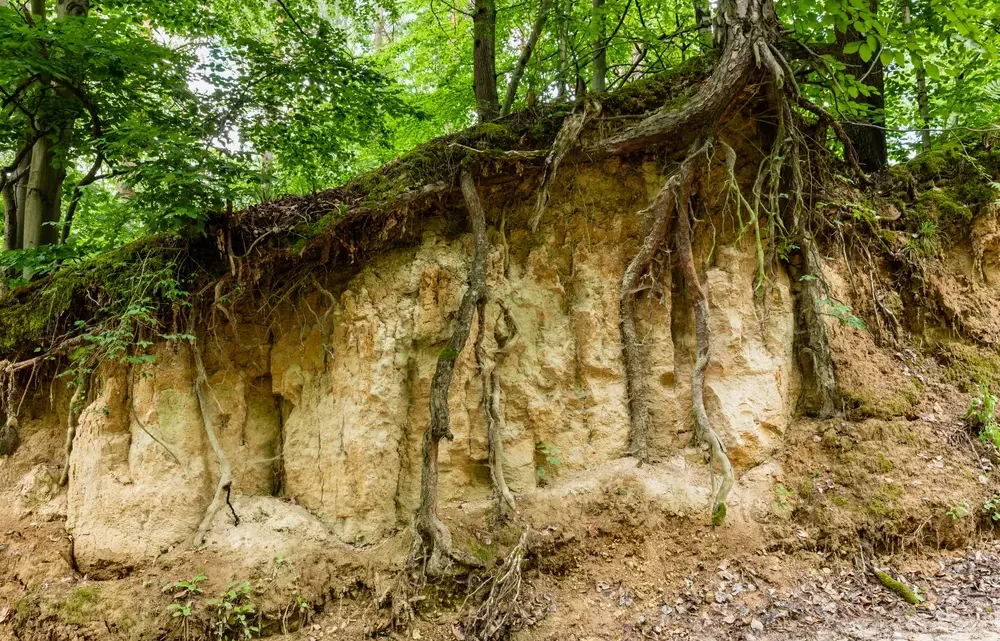
Trees combat erosion in a multitude of ways. Their roots act like a net, gripping soil. Big trees with deep roots, like hickory, can hold more soil and even extend down 24m. These roots prevent both the wind and water from carrying soil away. If you plant trees in bare or fragile soil, they’ll reduce erosion and allow the soil a better chance to regenerate. The diversity of tree species and root depths ensures every tree contributes to soil reinforcement.
Tree mechanisms supporting soil health
Trees are vital in maintaining the health of soil and preventing erosion in many landscapes. How they do so is elegant yet powerful, acting above and below ground. Each part of a tree, from its leaves to its roots, helps build better soil and keeps it from washing/blowing away.
The annual shedding of leaves, twigs, and small branches from trees provides a consistent influx of organic material to the soil. As this litter decomposes, it becomes nutrient-dense humus, which helps bind soil. Dead roots help nourish soil organisms, too, weaving a web for fungi, bacteria, and insects to flourish. That cycle keeps soil fertile and sustains crops, wild plants, and forests around the world. Take hickory trees in a forest, for instance–their deep roots and leaf litter benefit the soil, but they deliver a nut crop come autumn that contributes even more organics.
Tree canopies intercept the power of raindrops, which reduces surface runoff and soil erosion. Heavy rain pounding bare ground breaks up the surface and washes soil away, a lush canopy disperses the drops and reduces their speed. It holds in tropical forests, temperate woods, and even city parks where old trees tower. Cover from the canopy assists with slow water soaking, retaining soil and allowing increased water penetration to roots.
Tree roots are as vital as what you observe above ground. A tree’s extensive root network serves as a mesh, mashing loose soil together and keeping it secure — even on precipitous bluffs or in blustery locations. Trees that are deep-rooted, like those in the walnut or hickory family, can extend roots many meters underground, providing additional stability to the soil. These roots open up the soil, making it more porous, allowing water to percolate and air to penetrate to deeper levels. This additional pore space in the soil signifies less runoff in storms and less threat of floods. In grasslands and forests, tree roots reduce soil losses by wind or water.
Trees also regulate the temperature and moisture of the soil. Their shade keeps the ground cooler in hot weather and prevents it from drying out too quickly. Leaf litter acts like mulch, locking in moisture and suppressing weeds. This mulch decomposes, providing still more sustenance for soil organisms. These stable temperature and moisture levels are good for earthworms, beetles and other soil dwellers, which in turn help break down organic matter and keep soil loose.
Reforestation and planting new trees in soil-threatened locations is a time-tested method to combat erosion and restore soil health. Deep or wide rooting trees do the job nicely in all sorts of environments, from agricultural lands to urban areas. These low-tech strategies, employed in various forms around the globe, demonstrate how trees sustain the soil beneath us all.
Species diversity and ecosystem adaptation
As multiple tree species in forests aid soil health and fortify the entire ecosystem. Each type of tree was playing a part that was suited to its location. Intermingled, trees weave a tangle of roots, leaves and organic matter that cycles nutrients and binds the soil. This variety of species helps the ecosystem adapt to pests, disease, and climate change. If one species is in peril, the others can preserve the system. That’s why planting a single tree species, as in certain timber woodlands, can sap the land and leave it vulnerable to drought, infestation, and erosion.
Each of those trees nourish the soil in their unique manner. Some species shed nitrogen-laden leaves, others inject more carbon. These leaves and branches decompose, becoming organic matter that nourishes soil organisms and enhances soil structure. Their deep roots stir different soil layers, bringing up minerals and allowing water to flow freely through the earth. Take, for instance, Acacia and other leguminous trees that fix nitrogen and facilitate the growth of other plants. Deep-rooted trees such as oaks can transport minerals from deep in the soil. Consequently, mixed forests impart the soil with a broad spectrum of nutrients, which benefits both crops and wild plants.
Wildlife and soil life rely on this mix, too. Multi-species forests harbor more insects, fungi, birds and mammals. For instance a single tree can be home to hundreds of species, from moss to mammals. Mega herbivores, like deer or wild cattle, assist forests by distributing seeds, grazing on foliage, and providing sustenance to other animals. Even little things like bugs are important, operating the nutrient cycles that fuel forests. Maintaining these connections is critical, as forests harbor over 80% of terrestrial species. When we mix in some native trees with the commercial woodlands or city landscaping, the ecosystem is more diverse and less prone to collapse.
Intersperse species also delivers direct benefits to humans. Forests provide employment for more than 1.6 billion people and supply around 25% of all pharmaceuticals. Urban forests cool cities (sometimes up to 8° C) and purify the air, creating healthier, more livable cities and helping cities adapt to climate change. Forest roots cleanse water and gently release it back to rivers, a vital service for both humans and wildlife. As forests shrink by 10 million hectares annually, maintaining species diversity is more than good for nature—it’s essential for life and livelihoods globally.
- Acacia: fixes nitrogen, boosts soil fertility
- Oak: deep roots pull up minerals, adds stable organic matter
- Pine: needles help acidify soil, support fungi
- Maple: leaves break down fast, feed soil microbes
- Willow: roots help stop erosion along rivers
- Baobab: stores water, gives shelter for animals
- Eucalyptus: sheds bark, adds coarse organic matter for soil structure
Root systems and soil stabilization
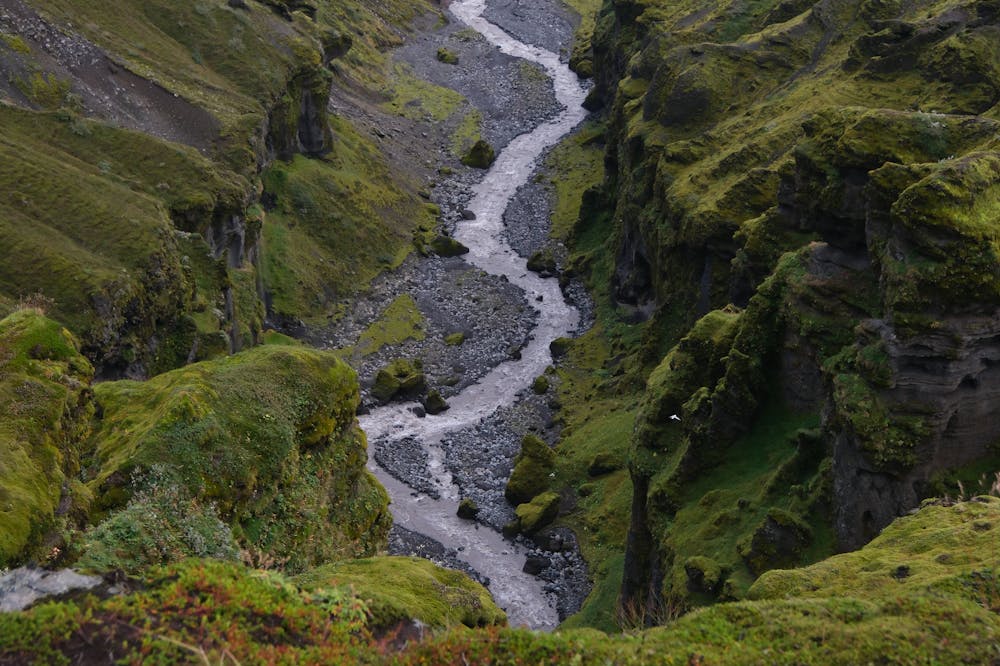
Tree roots are not only necessary to keep a tree standing—they have a huge role in the cohesion of soil, the movement of water through a landscape, and the amount of erosion that occurs during storms. Deep and wide root systems act as anchors in the soil. These roots cling to the soil, prevent erosion, and stabilize hillsides. When you look at hillsides covered with dense woods, you’re frequently observing nature’s method for preventing the land from sliding away during a wet storm. Root systems from trees such as oaks or pines penetrate into the soil, rendering them excellent choices for landslide-prone areas. Where the earth is loose or sandy, these powerful roots thrust down and out, clutching additional soil and preventing landslides.
Fibrous root systems do a different job, but it’s equally crucial. These roots fan out in a web, near the soil surface. They run through the topsoil and keep it stable. That’s why you see trees and dense grass on riverbanks and along roadsides. On slopes, roots from willows or poplars, or grasses like Vetiver, cooperate to bind loose dirt. These roots cling to soil grains, preventing wind or water from dislodging and transporting the particles. Where ground breaks up easy—riverbanks, hillsides, or those drenched in tons of rain—planting these trees and grasses can resist or prevent soil from eroding away.
Tree roots influence water flow in the soil. As roots sprawl, they create tunnels and cavities below ground. When it rains, the water runs into these grooves rather than simply sliding off. This also means less water runs off rapidly, reducing the power that can ferry soil downhill. In addition to holding the soil in place, tree roots help water soak in and keep ground moist while reducing hard runoff that can cause ruts and take soil with it. Trees with thick or deep roots do this job better, making them a smart choice for land needing a little extra water and erosion TLC.
Matching the right tree to the right place makes a difference. Not all trees work the same on all soil. Certain trees, such as deep taproot varieties, may be more suitable for clay or stony soil, whereas fibrous root trees work best in loose sand or gravel. By mapping out which species have which root types, it can help people select the optimal trees for preventing erosion. This ensures that areas most prone to erosion receive the appropriate plant coverage, reducing soil loss and maintaining land stability. In most locations, a combination of trees and rugged grasses provides the most effective coverage, as each type of vegetation pulls the soil in its own manner.
Microbial communities and nutrient cycling
Trees sculpt the organismal realm beneath the surface in manner that are important for the health of the soil and preventing erosion. Their roots release exudates—simple sugars, amino acids, and other small compounds—that nourish soil microbes. These suckers attract beneficial bacteria and fungi in and around the root zone, creating a thriving community. The soil surrounding roots, known as the rhizosphere, is typically alive with activity due to these constant globs of nourishment. The healthy soil microbes break down plant detritus and waste that keep that entire system humming.
Symbiotic relationships between trees and fungi, primarily mycorrhizae, contribute significantly to this system. Mycorrhizal fungi extend in and around tree roots. The tree provides the fungi with carbon-laden delicacies, and the fungi extend themselves into the soil to extract nutrients and water that tree roots could never access alone. This collaboration aids trees in absorbing more phosphorus, nitrogen and other vital nutrients. It’s widespread in wild forests and cultivated tree plantations worldwide. For instance, pines and oaks frequently establish these connections with fungi, allowing them flourish in nutrient-deficient or sandy soils. In many cases, these alliances assist trees in combating root pathogens.
Trees accelerate decomposition of leaves, twigs, and other natural litter on the forest floor. Their roots and fallen litter contribute organic matter that soil microbes and diminutive soil animals decompose. As these bits rot away, they form humus, which retains nutrients and water, enriching and stabilizing soil. The quicker this recycling loop spins, the more nutrients are liberated for plants. This aids not only the trees but any crops or grasses that may grow nearby. For instance, in tropical agroforestry systems, farmers plant acacia or gliricidia trees with crops to increase the soil’s fertility through leaf drop and rapid decomposition.
Checklist of key microbial processes influenced by trees:
- Nitrogen fixation: Some trees, such as acacias and alders, host bacteria on their roots that change nitrogen from the air into forms plants can use. This organic procedure reduces the requirement for chemical fertilizers.
- Nutrient mineralization: Microbes, fed by root exudates and leaf litter, break down complex organics into simple minerals. Which minerals, in turn, feed new plant growth.
- Soil structure building: Fungi and bacteria make sticky substances that help soil particles stick together, which makes soil less prone to erosion.
- Disease suppression: A strong mix of microbes can crowd out or block soil-borne pests that harm plants.
Agroforestry and land management strategies
Trees have always been at the heart of managing land effectively, particularly in areas where soil fertility and erosion are concerns. Agroforestry is one of the best ways to build soil and slow erosion. By intermingling trees with crops or animals, the land receives a nutrient infusion and remains covered, which controls erosion. This type of mixed-use strategy is effective in multiple climates and landscape types and draws inspiration from indigenous peoples’ land management practices spanning centuries. They’ve understood for ages that mixing trees with crops aids soil restoration, returns nutrients and encourages local biodiversity.
Agroforestry systems extend beyond planting trees in fields. They employ designed systems such as alley cropping and silvopasture. In alley cropping, rows of crops grow between lines of trees or shrubs, typically pruned to minimize shade and maintain nutrient cycling. Silvopasture is a method of growing trees and grazing animals on the same land, allowing animal waste to add nutrients while trees provide shade and roots stabilize soil. These types of setups, in particular in the tropics, have demonstrated that they increase the soil’s organic carbon stocks. That’s crucial in areas where the land has been depleted or forsaken, since trees restore the biologic vitality of the soil.
Research points out these systems combat more than just erosion. They address issues such as nutrient depletion, pollution, compaction and salinization, and even soil acidification. Well tended, trees and crops can complement, not compete. Nitrogen-fixing trees, for instance, feed surrounding vegetation, while deep roots access subsurface water and minerals. Some of these positive plant interactions can be controlled and optimized with appropriate selection of species and pruning techniques. As research like Garrity (2004) demonstrates, these systems make working landscapes more biodiverse with plants and animals, which bolsters broader ecosystem health.
Many practical agroforestry techniques fit different climates and needs, and here are some proven options:
- Alley cropping: Growing crops between rows of fast-growing, pruned trees that recycle nutrients and shield soil from rain and wind.
- Silvopasture: Mixing trees with grazing animals, where trees provide shade, fodder, and help improve soil structure.
- Windbreaks or shelterbelts: Planting lines of trees along field edges to block wind, slow evaporation, and cut down soil blowing away.
- Riparian buffers: Lining streams and rivers with trees and shrubs to filter runoff, keep soil in place, and protect waterways.
- Multi-strata agroforestry: Layering tall trees, shrubs, and crops together to mimic natural forests, reduce erosion, and use space better.
- Hedgerow intercropping: Using pruned shrubs or trees as live fences or field borders that protect soil and add organic matter.
- Improved fallows: Planting fast-growing trees or shrubs after crops to restore soil between planting cycles.
Case studies and innovative approaches
Tree planting helps heal the soil and keeps erosion in check, but what makes the real difference is careful design and integrating new technology with indigenous knowledge. Case studies and fresh thinking: Projects worldwide prove that when people spend the time to tailor right trees and techniques to each location, the soil snaps back. Take, for example, China’s Loess Plateau, where large-scale tree planting healed the soil and prevented erosion on hills that were previously barren. The project, begun in the 1990s, employed native trees and shrubs. After decades, soil fertility increased, rivers ran clearer, and crop yields increased for local communities. In sub-Saharan Africa, the Farmer Managed Natural Regeneration approach has farmers protect and assist natural tree regrowth on farms. It is cheaper than mass planting and more compatible with people’s immediate work. It has restored soil nutrients and reduced soil erosion over large regions, proving that a grassroots solution can be just as effective as government-led initiatives.
When it comes to community-led reforestation projects, they tend to combine old world know-how with modern day science. In Nepal’s case, local groups spearhead the planting and tending of forests, selecting species that match the climate and the village’s needs. They rely on old-school planting seasons, but consult data from ground tests and weather forecasts. This aids them select the optimal blend of trees, ranging from fruit varieties to nitrogen-fixers, which maintains the soil quality and nurtures wildlife.
One example from Brazil’s Atlantic Forest was partnerships between farmers, scientists, and non-profits that restore patches post-illegal logging. These teams plan each site based on what caused the damage—fire, harvest, or clearing—and often use three steps: a first cut to boost seed production, a second cut to add seeds, and a third to remove old trees and let new ones grow. These projects emphasize the importance of integrating native trees back into active lands, such as pastures or woodlots, so the benefits for soil and biodiversity persist.
New tech is accelerating reforestation. Drones now drop thousands of seed “bombs” over inaccessible areas, enabling the easy initiation of trees in steep slopes or isolated patches. Dubbed aerial reforestation, this technique allows you to cover more ground, more quickly than hand planting. Remote sensing, such as satellite images, monitors the growth of tree cover and soil restoration. These instruments allow communities to detect shifts in vegetation and monitor forest recovery effectiveness, crucial as it takes roughly 10 years for soils to restore their fertility and up to 25 years for forests to regain their structure and functionality.
Naive tree planting can backfire. Others big campaigns sprint to plant as many trees–any trees — as they can, hoping to lock up carbon quick. Easy solutions seldom stick. Real progress links the effort to broader goals: boosting wildlife, storing carbon, giving locals a stake, and keeping the land healthy long-term.
| Project/Region | Outcome | Challenges | Lessons Learned |
| Loess Plateau, China | Soil improved, erosion slowed | Initial poor soil, need for native species | Long-term planning and local trees are key |
| Sub-Saharan Africa (FMNR) | Soil nutrients restored | Adoption by all farmers | Community-led, low-cost methods work well |
| Nepal community forests | Healthy soil, more wildlife | Balancing needs of people and nature | Mix old and new knowledge for success |
| Brazil Atlantic Forest | Biodiversity returns, soil recovers | Complex land history, funding | Tailor plans to causes of damage, blend native trees |
| Global drone/aerial seeding | Fast coverage, hard areas reached | Seed survival, follow-up care | Tech helps, but human input and care are still needed |