Louisiana urban forest preservation associations
3 September 2026Understanding urban forests in Louisiana
Urban forests are clusters of trees, shrubs and green spaces within urban areas. In Louisiana, these urban forests manifest themselves as tree-lined streets, pocket parks, and wide canopies that shade neighborhoods across New Orleans, Baton Rouge, and Shreveport. These little urban jungles may seem unassuming, but they are an integral part of life and nature. Trees in our urban forests — such as New Orleans’ old growth canopy or DeRidder’s West Park — do more than just fill space. They define the city’s character and keep its residents connected with nature, even in high-pressure urban environments.
Urban forests provide tangible ecological value. Trees capture dust and absorb dangerous gases, making city air more breathable. They cool streets and homes by blocking sunlight and releasing water vapor, battling the “urban heat island” effect observed in cities. That’s particularly true in Louisiana’s sweltering heat. City trees soak up rainfall, so less chance of getting flooded. These forests provide shelter and sustenance to birds, insects and small animals, enriching urban life and ecosystems. Unlike the tragedy of losing neighborhood heroes, when storms strike, such as DeRidder’s loss of 300 trees in West Park following a hurricane, the streets become hotter, floodwaters increase, and spots for local wildlife to take refuge become scarcer.
The cultural and recreational benefit of urban forests in Louisiana is evident in city parks and neighborhood greenways. Whether it’s West Park or Audubon Park in New Orleans, urban green spaces are where folks walk, play, meet and relax. These spaces hold events, sports and festivals, offering city dwellers a respite from noise and stress. Trees and green space increase home values and make people feel connected to their community. For many Louisiana neighborhoods and communities, ancient trees count local history and act as landmarks, illustrating how urban forests are tightly integrated into the sense of place. When we lose our natural spaces, it’s not just an environmental story — it’s a cultural one as well.
There are many threats to Louisiana’s urban forests. Rapid urbanization strains urban forests as new roads, homes, and utility projects wipe out old trees. In New Orleans, venerable tree canopies face threats from underground infrastructure work for water, electricity, and roads. Occasionally, city offices treat trees in a ‘siloed’ manner, with various units operating independently, which can delay their care and safeguarding. Trees do cause outages and they often get harshly pruned or removed because of those claims, but Entergy’s data shows equipment failures cause significantly more outages. Hurricanes and storms pose another major threat, toppling trees and creating holes in urban canopies. Urban forests in Louisiana getting it
Cities seek to compensate for lost trees, but the work is slow and must be well-planned. Here in New Orleans, existing tree codes are from 1956 and do not reflect present-day realities. A lot of the experts say a comprehensive, 21st century tree ordinance and explicit urban forestry plan are what’s needed to preserve and expand Louisiana’s urban forests.
The pivotal role of local associations
Local associations in Louisiana have a key role in keeping urban forests vibrant, healthy and visible. They do this by spearheading grassroots action, influencing urban policy, and ensuring no one gets left behind. These organizations come out for more than just trees — for the communities they border, particularly in less green areas of the city.
Local associations frequently organize tree planting campaigns in areas in greatest need of shade. Lots of these places — frequently in low-income neighborhoods — can believe 10 degrees hotter than anywhere else because they don’t have trees. The organizations hold workshops in schools, parks, and community centers, educating on why trees are important and how to nurture them. Restoration projects are a big part of their work, like planting native species post-storm or transforming abandoned lots into green spaces. Such initiatives assist in cooling down cities and unite neighbors while instilling pride in their communities.
Advocacy is another trump card for local associations. They labor to shift city rules and codes, including pressing for overdue updates that haven’t occurred since 1956. One recent concern was the trimming radius around power lines—local associations helped build momentum to increase this from 1.2 meters to 2.4 meters, so it equals what’s used in neighboring areas. Even with a few steps in the right direction, many locals and professionals say the new regulations still fall short of national or international standards. Local associations maintain the momentum by disseminating public comments, hosting forums and informing city officials about the many benefits of trees – from cooling to air quality to increased property values.
These organizations function as a bridge between the community, municipal authorities and researchers. They have meetings where residents can protest tree loss or dangerous pruning. In fact, when city codes or ordinances are under consideration, associations gather feedback, transmit it to city halls, and track what changes do occur. As additional individuals submit their apprehensions on-line or by way of metropolis portals, it turns out that most need improved plans to guard their native canopy. Associations leverage this feedback to advocate for improved regulations and increased collaboration among city departments.
As much as we like to blame trees for power outages, local associations attempt to set the record straight. They employ public talks, social media and their own websites to display the actual equilibrium between trees and urban infrastructure. Their mission is to provide all of us with a transparent, equitable valuation of what trees contribute to an urban environment.
Examples of prominent associations working in Louisiana include:
- Baton Rouge Green
- New Orleans Tree Project
- Shreveport Green
- Friends of City Park
- Urban Conservancy
Key preservation initiatives and ongoing projects
Louisiana’s urban forests are under siege — from rapid city expansion to climate stress. Local associations answer by operating practical projects and employing science to assist urban trees remain well. These collectives collaborate with local governments, educational institutions and residents in every community. Their work provides shade, fresh air, and green space to communities throughout the state.
Big tree planting and maintenance programs lie at the heart of this work. Organizations such as Baton Rouge Green and New Orleans Tree Project organize citywide planting campaigns annually. They select tree species that cope with local climate and soil. They plant saplings in parks, sidewalks, and vacant lots. Once planted, teams monitor these trees, irrigate them and encourage their growth. In Shreveport, Keep Bossier Beautiful initiated a “Tree Keepers” network. Volunteers assist with branch trimming, soil repair and early detection of tree diseases. They say tree care means mulching roots, picking up litter and educating local children on some easy ways they can care for the trees. These efforts ensure young trees survive and older trees receive support.
Mapping and tracking tree canopies is another key step. Associations employ digital maps, airborne images, and apps to track where trees thrive and holes appear. For instance, Baton Rouge Green’s deploys drones to scan tree cover and measure shade in sizzling city blocks. In New Orleans, citizen scientists assist by strolling streets with smartphones, taking pictures, and recording tree conditions. This provides organizations with information to identify locations requiring additional or greater care of trees. It aids in detecting threats—such as extensive clusters of missing tree shade or pest-stricken areas. With these maps, teams can plan better, demonstrate their impact, and request funding with concrete figures.
Combating invasive species and restoring native plants is a significant portion of it. Many Louisiana cities are challenged by invasives such as Chinese tallow or privet. These outcompete oaks, maples, and other native trees. Local crews remove these invaders manually or with rudimentary equipment. As soon as room is made, they plant up native saplings, wildflowers and shrubs to support the local wildlife. Lafayette’s Bayou Vermilion Preservation Association operates an invasive plant swap for native cypress and sycamore trees along riverbanks. Local students and families assist with planting and watering these new trees. This incremental effort helps restore the appropriate native plant mix for the region and increases urban biodiversity.
| Project Name | Main Goal | Neighborhood/City |
| Baton Rouge Tree Canopy | Plant 2,000 trees, track shade | Baton Rouge downtown |
| New Orleans Tree Watch | Map trees, train volunteers | Mid-City, Uptown |
| Shreveport Tree Keepers | Trim, water, spot disease | Broadmoor, Highland |
| Bayou Vermilion Restoration | Remove invasives, replant natives | Lafayette riverfront |
Community engagement and public participation
Community engagement and public participation influence the work of local groups attempting to preserve urban forests in Louisiana. When they do, they contribute to the upkeep of thriving trees and the sustainability of green spaces. These initiatives unite, foster trust and enable communities to hear what the broader community is seeking. By participating, citizens can assist identify issues, resolve them in the early stages and have an impact.
Neighborhood associations sometimes have volunteer days and tree planting drives and small group events. They offer something for all of us to get involved, regardless of age or background. When they plant trees or assist with cleanups, the people living there feel like they have a stake in the process — and don’t just observe it from a distance. There’s something about just having a tree in the ground that instills a sense of pride in the community and demonstrates to the participants what can be achieved when working as a team. For most, these events aren’t about trees. They’re about getting to know your neighbors and striving for a common purpose. In certain communities, tree planting is combined with agroforestry initiatives. They introduce fruit trees or native plants to spaces that could use some healthy food options, so they address food insecurity as well. It can be particularly helpful in food deserts.
Citizen science is yet another avenue of public engagement. Local communities mobilize citizens to get involved in activities such as reporting sick and dying trees and participating in urban forest inventories. Whether by recording tree health or alerting pest issues, users assist professionals monitor such shifts. This data can highlight patterns or detect little problems before they get big. As ordinary people post what they see each day, local organizations get a much richer image than they could on their own. Projects like these help educate new skills, so more people can rise to the occasion.
Creating neighborhood committees is an easy but powerful move. These little groups can advocate for green spaces and get local voices heard. They could collaborate with city planners or non-profits to determine where to plant next, establish watering schedules, or organize events. When folks from all walks of life are at the table, the collective can identify problems or requirements that might go overlooked. This ensures that solutions serve the many, not the few. Committees can establish care policies, so trees remain healthy well beyond the planting day.
Schools and youth groups can assist as well. When students study forests, climate and urban nature, they acquire skills that endure. Other programs take classes outside to map trees or test soil. Some established small gardens or tree nurseries on school grounds. These hands-on lessons can connect to science, math, and even art. By beginning young, kids mature aware of the importance of trees and could spearhead initiatives as adults. Youth groups can participate in citywide events, helping project feel larger and more communal.
Collaborations and partnerships for greater impact
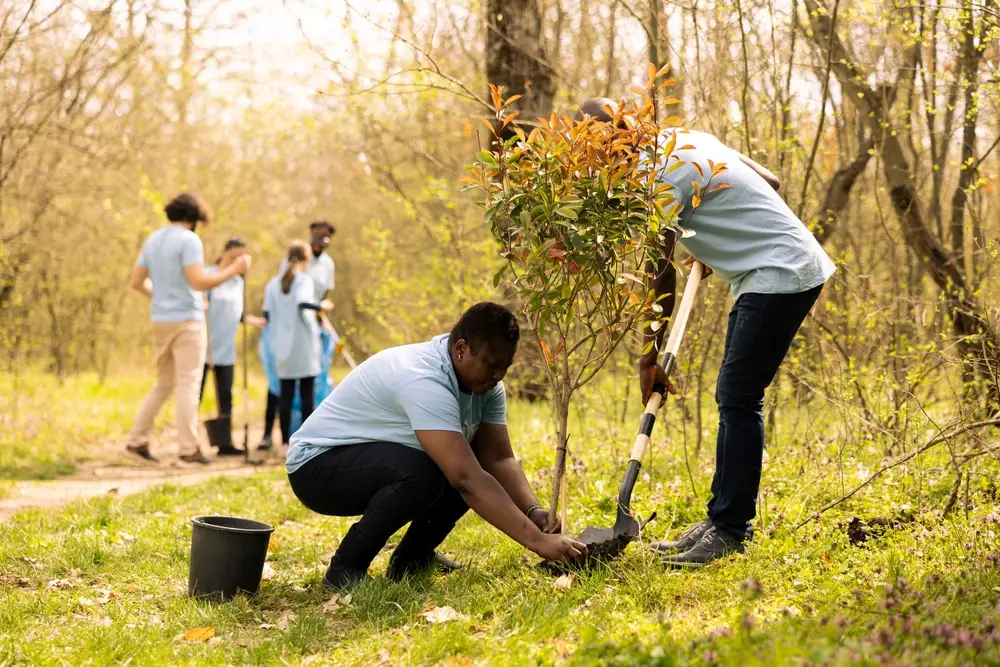
Local chapters in Louisiana are no strangers to going big when it comes to caring for urban forests. By collaborating with city agencies, universities, and other nonprofits, they can share tools, knowledge, and people. Most groups don’t have the complete skill set or the funds on their own. When they collaborate, they complement each other’s blind spots. For instance, a local group could be strong with community connections, while a university is a good resource for research and best practices. Nonprofits may have avenues to acquire grants or additional volunteers. Collaboration — combined, these partnerships can accomplish so much more than any of these groups could do alone.
Bringing resources together has resulted in victories in numerous cities. A nice case in point is when a local coalition formed with a housing authority and a handful of nonprofits. Together they planted 100 trees at eight public locations, greening and cooling these spaces for residents. As much as this increased the sheer number of trees, it provided volunteers with hands-on skills. Another example demonstrated how a three-year government grant, secured by group collaboration, sustained a tree replacement initiative. This funding would not have been possible for any one group. Sharing resources is key. In one project, two partners each donated $15,000. This match money demonstrated they were both serious and it helped keep the work going.
Partnerships create expertise, too. When collectives collaborate, they exchange insights. This assists them with addressing hard issues, such as how to cope with tree loss due to storms, or how to plant in previously treeless areas. Sharing the skills means new people get trained, so more fingers can be on the keyboard. These connections assist fill gaps in experience and supply new ideas. For instance, partnering with local schools can have students learn about urban forests, making them more likely to care about trees as they mature.
Working with many partners can serve to reach wider goals. Partnerships for impact. They can assist to repair unjust divides, ensuring that every neighborhood—not only the prosperous areas—receive the shade and fresh air that trees provide. Through associations with groups concentrating on social issues, local groups can multiply the significance of their efforts.
- City agencies: Share land, staff, or planning help.
- Universities: Offer research, data, or student projects.
- Nonprofits: Bring volunteers, outreach, or grant skills.
- Community groups: Connect with residents, build trust, share local needs.
- Schools: Spread awareness, teach youth, start early care for trees.
- Businesses: Give funding, tools, or pro-bono help.
- Health groups: Link green spaces to better health, support tree planting in clinics or centers.
For success, it’s key to forge connections that endure. Such long-term links keep money, people and support flowing in. Strong relationships with local leaders or citizens ensure initiatives address genuine needs and are sustainable. When lots of groups contribute time, money or ideas, the effort remains robust if one group must recede.
Overcoming challenges in urban forest preservation
Louisiana’s urban forests have a tough time, from fierce storms that knock down thousands of trees to gradual encroachment of green space by new infrastructure and development. Neighborhood groups have to address them with few resources, with alternative interests for the land, and with a public that doesn’t inherently recognize the value of city trees. These communities frequently experience tree loss in the aftermath of hurricanes or floods, depriving neighborhoods of shade and habitat. To counter this, they spearhead replanting campaigns that replace hundreds of trees in storm-affected locations. With funds scarce, some organizations organize grant writing workshops to assist volunteers and leaders secure fresh planting and maintenance financing. Local and international grants fill in the gaps when city budgets are insufficient.
Land use clashes are another major issue. City planners, developers and homeowners don’t always see eye-to-eye on where trees should stay or go. Associations frequently participate in discussions with local authorities to establish urban forest management plans. Such plans inform what to plant, where to plant, how to keep trees healthy, even on private land. Some cities go to great lengths to achieve designations such as Tree City USA or Tree Campus USA, demonstrating a public commitment to maintain high standards of tree care. This spreads awareness and attracts external assistance.
Few of us know how much we gain from city trees—cleaner air, cooler streets, better mood, and a nicer place to live. This ignorance can undermine support for preservation. They host outreach events, school lectures, and social media campaigns to educate individuals on the genuine significance of urban forests. When folks have a connection to the trees in their parks or on their streets, they’re more inclined to pitch in or advocate for them. That sort of community buy-in goes a long way, particularly in the long term.
Neighborhood groups need to prepare for immediate dangers such as pest infestations and upcoming storms. A documented plan for rapid response, replanting, and tree care can be everything. By sharing these plans and lessons with other groups across towns, or even countries, we can all be better prepared. With data collection, such as mapping tree cover and monitoring tree loss, it allows groups to identify locations where assistance is needed the most and evaluate the effectiveness of their efforts.
Partnerships are crucial as well. No collection is able to do it all themselves. Collaborating with city officials, nonprofits, and local organizations–particularly in less affluent areas–distributes expenses and exchanges expertise. Innovative sources of funding, such as public-private partnerships, can help bridge shortfalls for planting and care in the long term. Ultimately investing in urban forests yields a return of making cities healthier and more livable for all.
Resources, tools, and pathways for involvement
Louisiana’s urban forests require hard work, smart planning and powerful communities. Local groups and city programs are eager to encourage participation by providing accessible opportunities and quality resources for participation or leadership. Assistance is accessible for individuals eager to back these gardens or initiate their own endeavors.
- Local service centers: Louisiana Urban Forestry Council, LSU AgCenter Extension Offices, and local parish environmental departments give face-to-face help and printed guides.
- Online platforms: Urban Forestry South (UFS) shares science and tips for city forests, while the Louisiana Main Street Program’s website posts updates on grants, workshops, and events.
- Hotlines: Call the Louisiana Department of Agriculture & Forestry (LDAF) Urban Forestry hotline or the 211 community resource line to report illegal tree removal or ask about tree care.
Other digital tools and apps are making urban forest care easy and more transparent. INaturalist and Seek are free apps that help users spot tree species by snapping a photo. The Trees and Stormwater calculator (TSW Tool) is crucial for local leaders and planners. It supports them in using data, mapping land cover, and setting goals for stormwater control. TreePlotter is another app for mapping local tree sites and tracking their health. Groups utilize these tools to conduct planting drives, disseminate outcomes, and identify locations where additional trees are required.
There’s nothing like helping to build a neighborhood urban forestry group, or just joining one. Begin by discussing with neighbors and local officials needs and aspirations for green spaces. Then, contact the local parish office or Community Action Agency to inquire about assistance and any 1-to-1 matching funds. Get resources, tools, and pathways for involvement. Then, aim for easy wins—such as planting 100 trees in a year, or initiating a street tree care group. Divide work, organize activities and record development with complimentary apps. If you’re joining an existing project, see the UFS or Main Street Program sites for local group contacts and sign-up forms.
For those seeking to acquire skills, there are numerous training routes available. Urban Forestry South (UFS) offers online workshops on tree health, mapping, and resiliency, some of which are designed for novices. LSU AgCenter provides practical tree care and plant identification workshops and certification courses. LouISIana Main Street Program provides a list of community-led agroforestry programs that educate about how planting trees can address food insecurity and environmental justice. USDA Forest Service grants support short courses on tree replacement, land purchase, and leveraging conservation easements to preserve land. Most programs require evidence of community service or a nominal fee. Some provide scholarships or in-kind assistance.