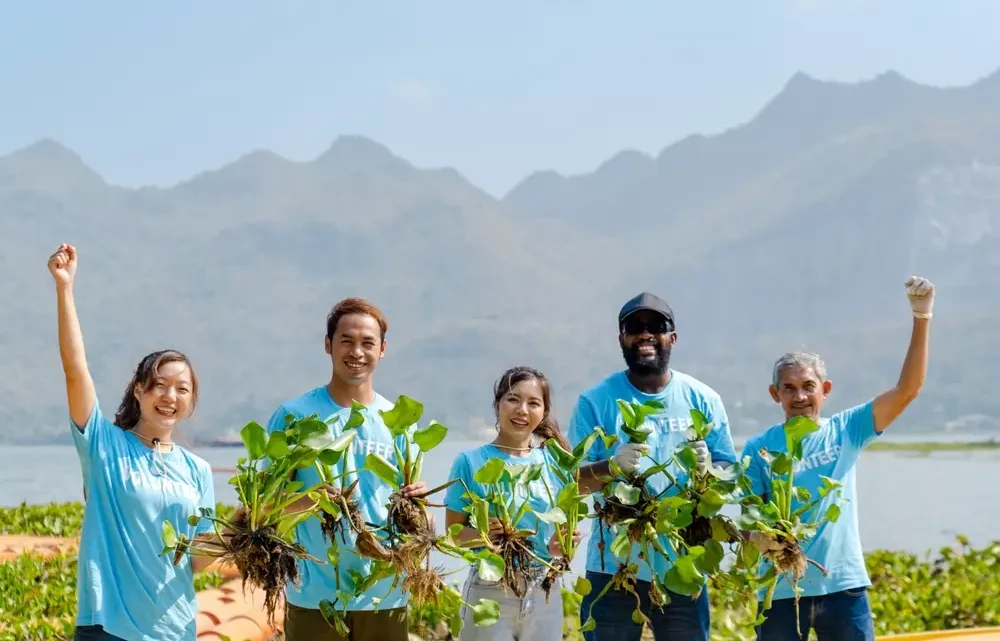
Green volunteering: planting opportunities near you
8 July 2025Understanding green volunteering and its impact
Green volunteering — especially planting — addresses some of the direst challenges confronting cities and rural communities today. Every time someone plants trees, shrubs or native plants, they clean the air, reduce heat and increase green space where it’s most needed. This active labor enhances our public health by reducing pollution, cooling urban streets, and beautifying parks and sidewalks for all people. To cities, tree planting offers more than shade — it reduces energy consumption in buildings and captures stormwater to prevent flooding. Those alterations are significant not only to our own neighborhoods but neighborhoods everywhere, as something as basic as planting can assist individuals breathe easier and invest more time outdoors.
Volunteers have been a huge part of reviving habitats damaged by development, agriculture or contamination. As native trees and plants started to disappear, we brought it back into balance by planting native trees and plants once again, giving local wildlife food and shelter. In a park or along rivers, even small groups can really make a difference. Planting trees can pull carbon from the air, while putting in native flowers or grasses can bring pollinators back. Such as how a single project can begin with uprooting invasive species and conclude with denser, more vibrant nature supporting a variety of birds and creatures.
Green volunteering may be the most infectious form of community engagement there is. When they plant, of course, green volunteers exchange skills, establish friendships, and often discover new habits to nurture their local environment. A neighborhood garden or a school tree-planting day can create an echo, inspiring more composting and recycling and even bigger clean-up days. These activities remind individuals how day-to-day practices—such as reducing waste or conserving water—connect to the larger context. When a community experiences the outcomes—more green space or cleaner air—the motivation to preserve and expand those benefits intensifies.
Green volunteering connects local action to global objectives as well. Whether planting initiatives large or small, they aligned with larger scale exercises aimed at mitigating climate change, preserving species and designing cities that resist heat, flood, drought. The UN’s Sustainable Development Goals include clean air, safe water, and healthy land, and every planting project pushes the world toward those targets. Sustained actions—such as tending saplings or reviving paths—have the most impact, because enduring change requires time and consistent effort. Green Volunteering – As more people acquire the skills to plant and care for habitats, they are prepared for new “green careers” that experts predict will continue expanding across the globe.
Benefits of planting for people and the planet
Planting isn’t just about sticking seeds in dirt—it’s a move that molds urban existence and wild ecosystems. It provides obvious advantages to local populations, animals and the broader world. The effect reverberates in more ways than one — from fresher air to tighter communities.
Planting saves the planet. Trees and plants yank pollutants from the air, which translates into cleaner, more breathable air for all of us. In certain areas, planting a few more trees has reduced outdoor temperatures by around 2 degrees Celsius. It is crucial in cities, where concrete and traffic intensify the heat. They assist in water management. Roots absorb rain, which reduces floods and prevents sewage overflow during big storms. Plants clean the soil too, breaking down or trapping harmful chemicals. These green spaces can stimulate local economies. Tree-lined streets and parks bring people outdoors, animating neighborhoods. Local businesses frequently experience increased traffic and home values can increase.
Planting offers a range of personal benefits for volunteers:
- Build a sense of belonging and meet new people
- Improve mental health by spending time outdoors in nature
- Learn new skills, from gardening to teamwork
- Get some light exercise, which supports physical health
- Experience pride in helping the local community
- Connect with different age groups and backgrounds
- Gain an understanding of environmental issues through real action
Planting is key for wildlife as well. Trees, bushes and native plants provide refuge and habitat to hundreds of species, from birds and insects to small mammals. For instance, a row of native shrubs can provide a lifeline for pollinators like bees and butterflies who are essential for our food crops. In an age where wild land is disappearing, they help prevent local species from vanishing as well. By selecting the appropriate blend of natives, our volunteers assist the entire food chain—from the tiniest bugs to the big guys.
When we plant together, these benefits multiply. New gardens and green spaces become living classrooms, providing children and adults alike a space to connect with nature and learn. Studies find that students perform better when they go outside, and public gardens provide a way for all to experience how food grows. If you produce food locally—like you would by growing vegetables in community plots as some cities are doing—then food doesn’t have to travel far. This reduces carbon emissions and bolsters fresher, healthier diets. Planting builds social ties as well. Parks and gardens become community hubs, allowing neighbors to connect and collaborate. These communal spaces can enhance wellness, particularly in densely packed urban environments with scarce green space. Over the longer term, group planting makes cities and towns more resilient in the face of change—be it climate shifts, flooding, or new growth—by making the ecosystem more robust and adaptable.
Choosing the right plants for local ecosystems
Picking the right plants is an important step if you want green volunteering to benefit local nature. Natives are always best. They’re modified and adapted to the local soil and weather and water. These are plants that grow with minimal assistance and that are hardy because they’ve been here for millennia. By selecting native plants you contribute to maintaining the land in a healthy condition and to the safety of the animals and birds inhabiting it. A lot of birds and bugs require native plants for food or shelter—these connections have developed over centuries. If you introduce non-native plants, you can disrupt this cycle and damage the balance. For instance, in regions such as the Great Lakes Basin, ecologists seek out plants that have occupied that stretch of land for eons. This helps maintain a balance of sorts and ensures that animals receive their due.
Native plants just happen to fix a lot of our problems. They don’t require a lot of fertilizer or spray to keep bugs away, so you don’t have to treat it with harsh chemicals. They conserve water, because they’re adapted to local wet and dry seasons. Even if you plant just a handful of native plants, you can make a huge difference for wildlife. Native flowers and grasses can nourish birds, provide nesting spots, and support pollinating insects like bees and butterflies. Some exotics, such as Hosta, don’t always wreak havoc or run amok, but virtually all natives do more good for the local ecosystem.
If you want to pick plants that will thrive and benefit the land, the one sure method is to plant species that align with the local soil, climate and water availability. If you plant something that prefers dry soil in a wet location, it won’t thrive. The same is true for sun-loving plants in too much shade.
- Discover what plants are native to your area by consulting local guides or discussing with local experts.
- Know your site—ky soil type, how much sun and shade it receives, if the location is prone to flooding or drying out.
- Shortlist plants that match these local site factors.
- Consider the type of wildlife you wish to attract– certain plants nurture birds, while others assist pollinators.
- Start small if you must, but attempt to incorporate a diversity of plant types (flowers, grasses, shrubs) to offer wildlife options.
- Leave some flower heads and tall grasses standing through winter. These assist birds in finding seeds and refuge from the cold.
- Review the plants annually. Know what thrives and grows robust, and supplement.
Planting events are most successful when they educate people about these truths. If you can show kids and adults why native plants matter, and have them actually see and touch the plants, you educate them. Schools and parks with native gardens are now living classrooms. Individuals can discover how plants and animals depend on one another. This kind of hands-on learning makes the science real and gets all of us to understand the value of maintaining their land healthy.
Overcoming challenges in community planting projects

Community planting projects usually attract people who simply want to give back or help out their neighborhood. These projects present a variety of challenges that can stall or derail progress. Other groups struggle to secure sufficient financing, the proper tools, or adequate room. They may have trouble retaining volunteers, clarifying responsibilities, and sustaining the efforts beyond the initial burst of enthusiasm. In certain corners–particularly the underprivileged ones–gardens can be a means to catalyze broader transformation. They frequently assist with crime watch, lot cleanups, or have initiated other green projects. It requires seeds and soil, yes, but it needs clear plans and strong local ties and steady leadership, too.
- Lack of resources and funding: Try teaming up with local groups, schools, or shops. They may lend tools, offer discounts or assist with supplies costs.
- Unclear goals or poor planning: Write down what needs doing, who is in charge of each task, and when things should happen. It helps people understand where they belong.
- Low volunteer turnout or burnout: Break up big jobs into smaller tasks. Assign individuals tangible responsibilities so they can witness their influence. Keep energy up by tracking progress and marking small wins.
- Limited access to land: Work with city officials or landowners to find unused plots, rooftops, or even shared spaces like schools or churches.
- Ongoing care and maintenance: Set up a simple schedule. Rotate jobs to keep people interested and not burned out!
By partnering with a local organization or business that shares your goals, you can tap resources that are difficult to access on your own. Schools might provide land and shops might donate seeds or tools. Even a small business in the area might sponsor a planting day or provide snacks for volunteers. In low-income neighborhoods, such gardens have a way of sparking even bigger changes. They can connect to crime watch groups or street clean-ups, and they provide residents with motivation to support other areas of their block.
Clear project plans help all of us stay on track. When everyone knows their task and when to do it, less slips between the cracks. Other groups employ basic spreadsheets or web-based applications to monitor who is watering, planting, or giving tours. This way new people can drop by and actually not get lost. Volunteers who feel needed and see their work matter are more likely to stick around.
Monitoring development and achieving milestones is essential for encouraging individuals. It can be as straightforward as posting pictures of the initial sprouts, highlighting how many kilos of produce were gleaned or commemorating the day a vacant lot turned green. Acknowledging efforts—whether they be large or small—makes people feel noticed. For most, the primary motivators are to assist in beautifying their neighborhood, contribute, or preserve green space. Gardening unites neighbors, introduces people to others they wouldn’t otherwise know, and frequently sparks further engagement in other community initiatives.
Expanding access and inclusivity in green volunteering
Green volunteering brings real rewards for people and the planet, but not everyone gets to participate quite so effortlessly. Some have logistical barriers, such as difficulty accessing sites or language barriers, while others don’t feel welcome because of their background or ability. These challenges demand new outreach and actual changes to the way planting programs operate so that no one is excluded.
Outreach can’t just hit the same old crowd. Lots of young people want to help but may not know where to start or have access to get involved. Local planting events can be helpfully connected to them through schools, youth groups and social media. Seniors might have the interest and time, but they might not have the mobility or transportation. Easy fixes such as providing group rides, meeting centrally or home-based planting kits can assist. Communities that are underrepresented in green volunteering efforts, such as ethnic minorities or those with differing language requirements, certainly won’t feel welcome if information is only available in one language or in small circles. Translating materials, hosting info sessions in other languages, and collaborating with trusted community organizations can open doors.
To make volunteering genuinely accessible, you have to look at what prevents people from getting involved. Transport is a huge barrier for a lot of people, so subsidising travel expenses or prioritising accessible sites can make a difference. Facilities count as well – accessible toilets, step-free paths and parking spaces can make a planting site accessible to people with any physical abilities. Certain communities require additional assistance – like women-only gardening spaces, family food growing patches, or gender-neutral bathrooms – in order to feel secure and included. Modifications for neurodivergent volunteers — such as established routines, quiet areas, or sensory-friendly events — go a long way. Organizations can get outside assistance — like reaching out to Active Travel Hubs — to ensure their sites function for all.
It’s letting people of all backgrounds to help steer choices. When those spearheading planting programs represent the community’s complete diversity—age, gender, background, and beyond—volunteers feel seen and heard. This could be establishing advisory groups, soliciting feedback, or rotating leadership. It goes a long way when organizations accommodate volunteers of varying economic means, providing stipends or expenses paid for those who require it. When every voice matters, volunteer days are fuller. We all come with our own stories and skills, and the planting site turns into a genuine space for sharing and learning and growing together.
Below is a list of organizations that focus on diversity, equity, and inclusion in green volunteering:
| Organization Name | Location | Focus Area | Notable Practice |
| Eden Project | UK, Global | Community Planting | Accessible gardens, multilingual guides |
| Green City Force | USA | Urban Youth Engagement | Paid training, inclusive leadership |
| Friends of the Earth | Global | Environmental Justice | Outreach in multiple languages |
| Nature for All | Global | Accessibility in Nature | Adaptive equipment, gender inclusion |
| SUGi | Global | Urban Rewilding | Community-driven microforests |
Tools, techniques, and innovation in planting initiatives
Planting projects are more than just digging and dropping seed or sapling into the ground. Real impact is about the right tools, clever techniques and innovative planting. The long-term impact is a function of volunteers’ effective utilization of such resources and the decisions they make throughout.
- Planting tools and materials span a diverse array. Fundamentally, a quality spade, hoe or digging bar shatters soil and plants young trees. Buckets, watering cans and mulch – they keep soil moist and protect roots. Gloves, goggles, and boots keep volunteers safe and prepared for long field days. Flagging tape or marking flags can assist in mapping out your planting areas. It’s crucial to select healthy, native plants or trees. The use of native species benefits local wildlife, soil, and water cycles, whereas foreign plants can disrupt these cycles. For instance, relying exclusively on fast-growing, non-native trees to achieve numbers or subsidies can undermine biodiversity and even sometimes stoke more wildfires, as occurred in some grasslands. The footprint on soils, water and local animals is far more important than any Tree Count.
- Innovative planting techniques help groups maximize their efforts. Rain gardens, for example, utilize soil and plant layers to capture and purify stormwater, benefiting the earth and waters. Pollinator pathways link gardens, parks, and other green spaces so that bees, butterflies, and other pollinating insects can travel safely, helping plants flourish and food grow. Other projects use agroforestry, planting trees alongside crops or livestock, supporting farmers and the environment simultaneously. These new concepts emphasize that planting is not just about trees—it’s about the entire ecosystem, from tiny insects to large animals and even local communities. Blunders do occur. While some consider “reforestation” equivalent to “forest restoration,” true restoration involves selecting appropriate species, considering long-term growth and monitoring the impact of trees on the landscape over time.
- Digital tools take center stage in green projects. Project management apps track tree species, planting zones, and timelines. Thanks to volunteer platforms, it’s simple to register, post updates and keep connected. Mapping tools and mobile apps enable teams to record what trees were planted, monitor their growth and identify issues quickly. Others employ online dashboards to broadcast impact to the public in real time, displaying not only trees planted but trees surviving one year, or even two decades later. This move toward practical metrics helps move the spotlight away from big numbers and toward meaningful success, like survival rates and impact on local biodiversity.
- Regular training and workshops keep volunteers fresh and primed for new missions. Online courses, local meetups, and webinars can educate on plant care, soil health, or how to detect pest and disease. These sessions are often new gear or digital tools, so it’s easier to keep up with best practices. With the threat of climate change or the loss of native tree species—approximately a third of 60,000 known species are threatened—it’s crucial to remain aware. Commitment over the long haul, not just a short, hard push, is what imbues these projects with staying power and real value.
Sustaining impact beyond the planting day
Ending the impact of green volunteering requires more than planting a tree or establishing a garden. The labor begins with the planting but requires consistent tending, robust scheduling, and continued involvement. A clear focus on maintenance, teamwork and sharing progress helps make sure the positive effects last and help both people and the planet.
Establishing a maintenance schedule is important for all fresh plantings. Without a plan, saplings might not make it through their first year. Maintenance plans should outline the essentials—watering, weeding, soil analysis and pest control. These plans must align with local requirements and climate. EXAMPLE: In arid areas, mulch retains moisture and shields roots. In certain cities, it’s easier to maintain native species and they definitely tend to survive better. Maintenance plans ought to incorporate means of gauging progress, such as measuring plant growth or monitoring survival rates periodically. This continuous monitoring helps identify issues early, allowing the crew to make prompt adjustments when necessary.
Establishing stewardship teams or a rotating care schedule dilutes the work. When a community shares the maintenance, no one member feels swamped, and things get done when they need to. These teams could be local volunteers, students or community groups. Rotating schedules, particularly in the bigger projects, ensure there’s always someone to swing by the site, water plants, or observe and record anything amiss. This collaboration supports developing local expertise and keeps individuals committed to the project’s long-term success. Often, by working with local groups, you’re making sure that efforts align with the community’s actual needs and amplify the effect.
Tracking results and sharing stories is another method to maintain momentum. Documenting outcomes—like how many trees survived after a year or how much green cover expanded—provides tangible evidence of achievements. You can provide these updates in newsletters, community meetings, or on social media. Sharing stories about volunteers’ experiences or pictures of the growing site will motivate others to participate or plant their own. Specific reports, complete with both triumphs and learning experiences, assist to prepare for upcoming initiatives.
It’s the education programs added to green volunteering that make a big difference over time. Education can be as simple as teaching kids how to care for trees, or as deep as conducting workshops on climate change, ecosystem health, or responsible consumption. These programs orient people toward impact, helping them see why their work is important and how it ties into broader objectives such as climate and land restoration. Skill-building sessions give community members the confidence to assume care work, plan for the future, and spread the word. When local communities are empowered with confidence and knowledge, the roots of these projects extend deeper and longer.