Forest cities: Louisiana’s green defense against climate change
4 July 2025Understanding forest cities and their climate significance
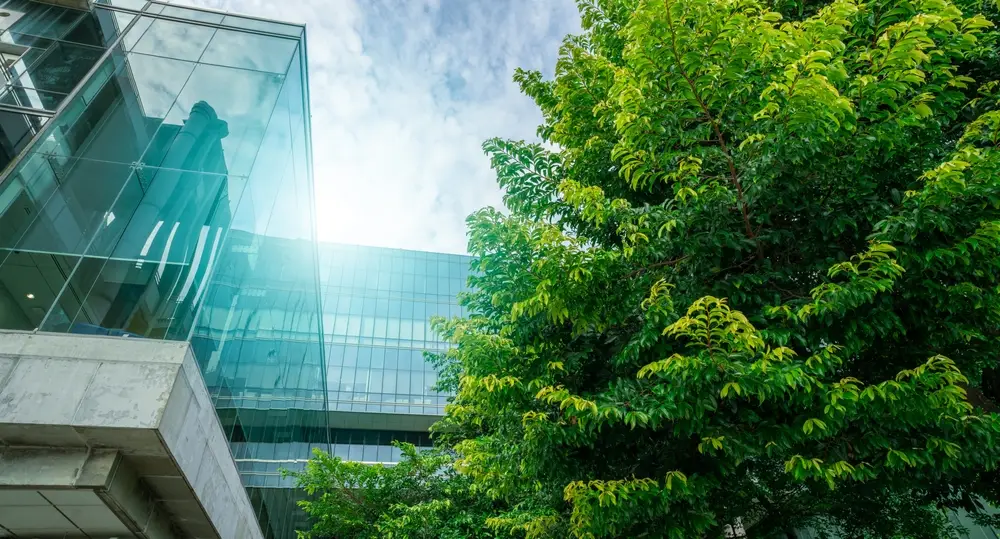
A forest city is an urban area constructed around an emphasis on trees and green systems. That’s to say city planners do their best to incorporate tree cover, parks, gardens, green roofs and walls into the city’s design from the outset. The ambition is to make nature an integral component of everyday city experience, not just an afterthought. These rely on native plants and trees adapted to the local climate, and they integrate green networks into public spaces, sidewalks, and even structures. This is not like old-fashioned city parks, where the green elements are concentrated in a few locations, but integrated throughout the city.
Forest cities combat climate change with down-to-earth methods. Trees and other vegetation extract carbon dioxide from the atmosphere, thereby mitigating against the accumulation of greenhouse gases. More trees in cities cool the air by providing shade and releasing water vapor from their leaves. This plays a big role in keeping cities from heating up too much — a major risk as the planet warms. The more trees, the cooler the cities’ daytime highs and reduced ‘urban heat island’ effect, whereby built-up areas become significantly hotter than the surrounding countryside.
One of the important functions of forest cities is to purify the air. Tree leaves catch dust, pollen and even some toxic gases. This purifies the air, and it helps make the air safer to breathe – a crucial point in crowded urban areas where cars, trucks and factories contribute to smog. In Louisiana, where hot and humid days can exacerbate air quality, the cooling and cleaning influence of trees is doubly important.
Forest cities enhance local biodiversity and safeguard the flora and fauna that inhabit urban environments. By planting a combo of trees, shrubs, and floor plants, these cities provide birds, bees, butterflies, and many other species with a habitat and food source. This aids in maintaining robust local ecosystems, sustaining pollinators, and reintroducing wildlife into urban areas which were previously barren or asphalted over. In Gulf Coast cities, this type of green web can even connect with adjacent wetlands or forests, allowing wildlife to traverse more easily between natural and human environments.
Two of the headline forest city projects include Singapore which constructed its “city in a garden” plan and Milan, Italy with its Bosco Verticale (Vertical Forest) towers. These projects demonstrate how our dense cities can flourish with more vegetation, less heat and cleaner air. In Baton Rouge or New Orleans, for example, such measures could assist storms floods, heat, and air pollution while rendering the city more livable.
Benefits of forest cities include:
- Lower temperatures through shading and cooling
- Less carbon dioxide in the air
- Cleaner air with fewer dust and harmful gases
- More birds, insects, and other wildlife
- Healthier spaces for people to walk, play, and relax
- Less flooding by slowing rainwater runoff
Climate change impacts in Louisiana’s delta regions
Louisiana’s delta regions are on the front lines of climate change, forged as they were by their low elevation and close connection to water. With the coast just about a meter above sea level on average, rising seas aren’t some distant hazard. Southeast Louisiana land rests near the sea, so water can easily roll in with storms or tides. Louisiana’s delta regions, rich with species and industries, are being threatened both rapidly and gradually.
Flooding has become an all-too real and omnipresent threat. Sea levels in certain locations are increasing nearly four times faster than the worldwide mean. It’s not just from the sea itself but that the ground is sinking—a process called sediment compaction. Since 1932, Louisiana has lost almost 5,180 square kilometers of land – nearly the size of Delaware. Every 100 minutes, a football field’s worth disappears into open water. This sort of land loss stings particularly for those who live, farm and operate businesses on land that is literally washing away.
Saltwater intrusion and erosion are likewise altering the delta’s landscape. When saltwater pushes farther inland—like in September 2023 during a drought—it can contaminate drinking water and render it unsafe. Saltwater damages crops and trees that can’t tolerate the salt, endangering local agriculture and ecosystems. Erosion gnaws at the land, eroding the protective healthy wetlands that safeguard against storms and floods. These wetlands feed everything from fish to birds to the folks who fish for a living or food.
Local ecosystems and communities sense the stress. Warmer water and more salt can cause algal blooms, which deplete oxygen and suffocate fish and other aquatic life. This endangers seafood that’s vital to not only local tables but the national market–approximately a third of the U.S.’s catch comes from Louisiana. Wetlands purify water, offer wildlife habitat and include room for recreation and tourism — all of which gets endangered as the scene changes.
Louisiana’s infrastructure and agriculture are both threatened by more intense storms, floods and heat waves. Roads, bridges and power lines in low-lying areas endure increasing destruction annually. Farms have to contend with saltwater creeping into fields and unpredictable weather patterns that interfere with agriculture. Ports and shipping hubs — critical to the national economy — face more disruptions as well.
Solution that adapt are clearly needed. Forest cities–urban spaces designed with an abundance of trees and other green areas–provide a means to delay water, cleanse runoff, and mitigate heat. By harnessing nature to fight back, these cities have the potential to help safeguard people, land and livelihoods from some of the most devastating impacts of climate change.
Urban forestry strategies for resilience
Urban forests as a resilience strategy for cities For locations like Louisiana where storms and flooding are a regular occurrence, choosing the appropriate strategies is even more critical. Forest cities attempt to infuse natural systems into urban life so that both humans and nature benefit. By that I mean employing intelligent approaches to tree planting and maintenance, green space set up and water planning.
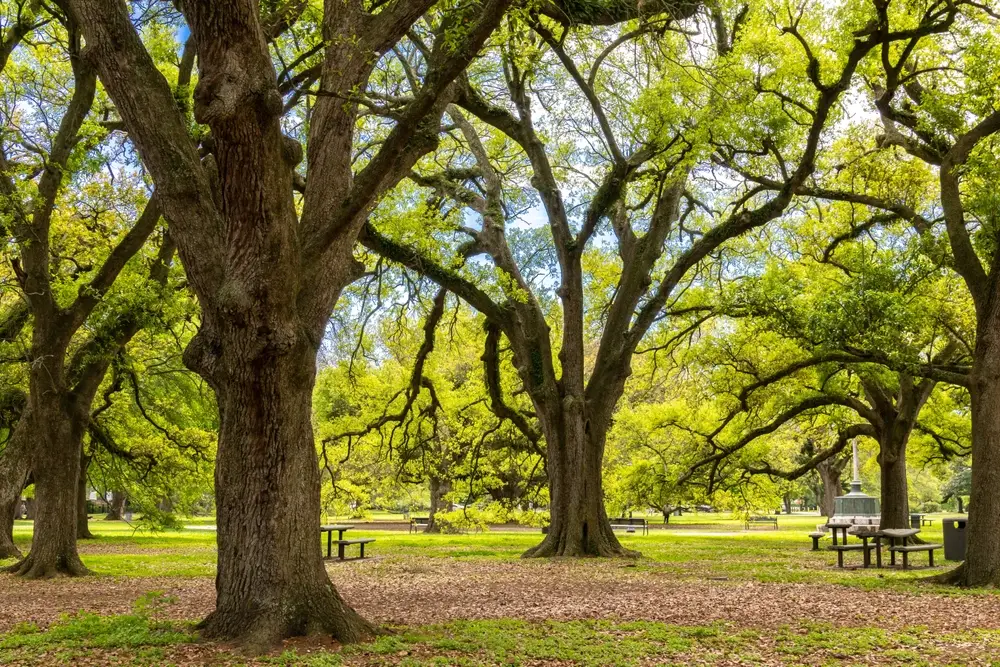
There is no better strategy for making our urban forest last than planting native tree species. Native trees thrive in the local soil and climate. They require less maintenance, resist insects more effectively, and support a wide variety of birds, insects, and other wildlife. For instance, in Baton Rouge, the urban forest can be fortified with the planting of bald cypress or southern live oak, which helps to create more resilient green spaces capable of capturing more water after major storms. These trees are accustomed to Louisiana’s heavy rain and hot summers. By selecting native trees, urban planners can ensure that trees survive longer, require less water and provide more shade and clean air.
Green corridors and urban parks are crucial. These are ribbons of trees, shrubs or even grasses that connect parks, waterways or other wild places. They allow wildlife to roam, assist plant dispersal and provide cooling to the city. In New Orleans, for instance, green corridors assist pollinators such as bees and butterflies in locating sustenance even in the bustling areas of the city. Parks and green belts serve as recreation spaces, but absorb additional runoff. As storms and heavy rain become more frequent, these green pockets assist in reducing flood risk. They go a long way to reducing air pollution and provide urban dwellers a respite from heat.
Cities can do more by integrating permeable surfaces and rain gardens. Hard surfaces such as concrete and asphalt don’t absorb water, making water runoff rapid and potentially flood-inducing. Permeable paving—such as gravel, open brick, or specialized tiles—enables water to filter through and be absorbed by the underlying soil. Rain gardens employ the ability of plants and soil to filter and delay stormwater. You can put them in parking lots, along roads, near buildings. This prevents water from inundating streets and purifies it before it returns to rivers or lakes.
Urban forestry strategies that boost resilience:
- Choose species that thrive in local soils and climate.
- Connect parks and wild areas with green corridors of trees or shrubs.
- Expand urban forests to absorb rain and cool cities
- Utilize permeable ground that allows water to percolate, not just drain off.
- Plant rain gardens to catch and clean stormwater.
- Maintain and inspect trees to ensure their health and robustness.
Community-driven approaches and education
Community-driven and education-centric work is at the center of forest city projects in Louisiana. These projects depend on the residents themselves to inform how cities embrace green space in the war on climate change. That means leveraging citywide plans and understanding how each area is particularly at risk, whether it’s flooding or hurricanes, to ensure that each project is tailored to each neighborhood’s needs. Community-driven approaches and education community input and action help shape these efforts, while education builds the knowledge people need to join in and stay involved.
Public workshops and school programs are important in raising awareness about the importance of urban forests. These celebrations demonstrate the ways in which trees cool our cities, retain floodwaters, and purify our air. For instance, here in southern Louisiana, we’ve developed a series of Geotypes to detail the region’s unique landscapes and how they’ve influenced town and city development. These educations span all ages. School programs can educate children on the science of trees and climate, while adult workshops could emphasize local risks and methods for nurturing urban forests. The Rising Above Symposium united community members from various coastal towns, state officials, and specialists. This type of gathering aids in dissemination of the information and creates cohesion for the upcoming efforts.
Residents participate in planting and maintaining trees. This makes people feel like they own the outcome. When people plant trees themselves, it gives them a sense of pride and ownership. One community member, looking to the future, stated, “I’m going to have my first grandchild soon… and when she’s old enough to walk to the park, I want her to know that her grandfather planted these trees.” This generational perspective was typical, demonstrating how close ties to tree planting could be passed down. In other instances, entire neighborhoods fundraise and consent to invest tens of thousands of dollars to replant trees lost during storms. These initiatives demonstrate the importance that citizens assign to urban forests and their potential in resilience.
Neighborhood committees steer local forest city projects. These groups collaborate with local governments, utilizing resources such as the Best Practices Manual and the Flood Emergency Preparedness Plan, both products of years of life with–and lessons from–Louisiana’s one-of-a-kind relationship to water. Committees ensure community voices are heard and that projects suit the local culture and economy. It aids in discovering the appropriate actions to manage risks and develop resilience for what lies ahead.
Residents can care for urban trees by following these steps:
- Select native species that are most adapted to the local climate and soil.
- Water new trees weekly, particularly during their first year.
- Build a community, and teach people.
- Each season, prune trees to eliminate dead or broken branches.
- Pay attention for indications of disease or pests and report issues as soon as possible.
- Participate in neighborhood clean-up days to clear away garbage and save tree roots.
- Attend workshops to discover more about tree care and city policy.
Partnerships and collaborative efforts
Forest cities in Louisiana depend on powerful partnerships to advance meaningful climate action. These initiatives convene local governments, nonprofits and universities to combine their resources and expertise. For instance, city councilors partner with university researchers to monitor the rate at which urban forests intercept stormwater or mitigate summer heat. Nonprofits might fill in the gaps — hosting local tree-planting drives, or directing community outreach to ensure the benefits reach all. This joint effort began to attract more notice after massive storms in 2020 and 2021 decimated thousands of trees in cities along the Gulf Coast. Local groups, schools and government teams replaced hundreds of damaged trees, proving how quickly something can be accomplished when we all pitch in.
Private industry has a significant role to play as well. They assist fund new green spaces, provide equipment, and contribute expertise, such as drone mapping or data analysis. By partnering with companies, cities not only maintain projects long-term, but they access new approaches to problem-solving. For example, tech firms could monitor air quality shifts post-planting, and construction companies could deploy their crews to assist with mass planting days. These connections introduce various funding streams, ensuring initiatives aren’t just a flash in the pan.
Local agencies ensure that forest city work aligns with broader climate plans. That is, connecting with state or national organizations working on coastal safety and climate change. By doing so, forest city projects integrate into a broader strategy to defend more than a million coastal residents, particularly as storms and flooding intensify. Beginning in 2013, coalitions conducted public opinion and media research to learn how people felt about these issues and what messages resonated. These studies inform how partnerships communicate about their work, ensuring it resonates with local concerns and needs.
A lot of partners employ research and media advocacy efforts to inform the public and advocate for equitable solutions. Since 2021, there’s been a push to talk more about justice and to demonstrate the damage that pollution and storms inflict, particularly on Black, Brown and Indigenous communities. In partnerships with groups representing these communities, partners establish plans that protect both human populations and the environment. These efforts emphasize that coastal restoration isn’t just about saving trees–it’s about keeping jobs, homes and ways of life safe. Polls indicate most Louisianans support efforts safeguarding the coast and its inhabitants.
Key partnership strategies for forest city projects include:
- University and local government partnerships for joint research on tree health and climate impact of trees
- Public-private public-private funding agreements to plant trees and maintain green spaces.
- Community-led tree planting events in high-risk neighborhoods.
- Collaborative data platforms that allow all partners to track progress and update plans.
- Focused outreach in communities most vulnerable to storms and pollution.
Measuring impact and success stories
Measuring the impact of what forest cities accomplish for climate change in Louisiana boils down to straightforward statistics. The state is dealing with one of the world’s fastest land loss rates. Since 1932, Louisiana has lost nearly 5,180 km of land, almost the size of Delaware. Even today, some 65-91 km2 disappear every year, largely due to sinking coastline into the Gulf of Mexico—almost 1 football field per hour. This loss puts stress on flood control, water supply and the local economy. Meanwhile, cities and towns are trying out forest city concepts to decelerate these trends and make city life more secure.
To see if these projects work, three things matter most: canopy growth, how much carbon the new trees soak up, and if urban temperatures drop. The growth of the canopy is monitored through drone or satellite images, measuring healthy tree cover. In Baton Rouge and New Orleans, their city teams have goals of increasing canopy cover by 10% to 20% in a 10-year period. Impact and success stories measuring progress is checked with before and after maps yearly. As for impact, carbon stored in new trees is measured in metric tons per hectare. This provides a tangible measure of the greenhouse gas these projects extract from the atmosphere. Urban temperatures are measured with ground sensors and satellite data, cross-referencing heat in tree-filled areas vs. Unshaded locations.
Flood management and air quality are two additional key results. Prior to new tree planting, teams take baseline readings for stormwater runoff and common air pollutants including PM2.5 and ozone. After a few years, they check. In certain pilot blocks in New Orleans, tree planting has reduced peak summer surface temperatures by as much as 3°C and decreased stormwater runoff by roughly 18%—statistics that lessen the danger of flooding and alleviate stress on aging drainage systems. Air quality readings indicate small yet consistent declines in particulate matter and ozone, particularly in tree-lined neighborhoods.
Urban forestry programs throughout Louisiana have varying impact based on city, tree types, and project management. The table below sums up key outcomes from selected efforts:
| Project | Canopy Growth (ha) | Carbon Sequestration (tons/yr) | Urban Temp. Reduction (°C) | Flood Runoff (% change) | Air Quality (PM2.5)
| Baton Rouge Green | +320 | 1,500 | -2.1 | -13 | -5% |
| New Orleans ReLeaf | +210 | 1,200 | -3.0 | -18 | -6% |
| Shreveport TreeLine | +110 | 650 | –1.5 | –9 | -4% |
| Lake Charles Urban Canopy | +90 | 500 | -1.2 | -7 | -3% |
These figures are a powerful narrative. PROVING IMPACT AND SUCCESS STORIES Forest city projects in Louisiana making a dent on climate They reduce land erosion, assist urban areas to retain water, temper heat and purify the atmosphere. Every step matters — for both people’s health and for the ecosystem.
Innovative practices and future opportunities
Louisiana’s forest cities are leaving antiquated approaches behind, leveraging new tools and mindsets to instead help combat climate change and safeguard their communities. These initiatives combine science, technology, community knowledge, and decisive planning — striving to create communities that endure and serve all residents, even as storms intensify and flooding threats increase.
How drone technology and GIS mapping are revolutionizing the way cities record and plan their urban forested areas. With drones, teams can fly over large areas quickly, identify breaks in canopy, and inspect tree health without having to traverse each street. GIS mapping overlays this information on digital maps, allowing planners to visualize where to plant next, identify vulnerabilities, and plan for future care. This saves time and money and helps cities move quickly post-storm — something crucial in Louisiana where hurricanes can decimate blocks of trees in a single night. Baton Rouge and New Orleans have both piloted drones to identify downed trees and focus reforestation efforts post-storm. They simplify communication among local groups and decision makers so they can update each other and monitor progress, staying aligned.
Living walls, rooftop gardens and vertical forests are creeping into new buildings and public spaces. These green touches assist in cooling cities, purifying air, and providing shelter to birds and bugs. For instance, a Shreveport public library has experimented with a rooftop garden that reduces energy consumption and provides local school groups with a place to learn about horticulture. Living walls on urban buildings retain heat and filter rainwater, relieving stress on storm drains when it pours. Vertical forests—skyscrapers blanketed with rings of trees and shrubs—are being piloted in a handful of locations to determine whether they can withstand Louisiana’s humid storms. These concepts are still novel, but preliminary evidence demonstrates they assist cities in managing floods and heat waves, all while transforming neighborhoods into more enjoyable places to live.
Climate-ready plants research gains additional support. With rising seas and fiercer storms, urban areas require trees and vegetation that can handle salt, heat, and wind. Louisiana’s universities and local groups are mashing together trial tests of natives and new hybrids, searching for sustainable, strong-rooted options. Cypress, live oak and salt-tolerant shrubs are emerging as wise selections for coastal regions. By supporting this science, the state is aiming to discover plants that not just survive but thrive — making forest cities more cemented in the future.
Funding is always an issue, but new avenues are emerging. Local governments are investing more in tree planting and care than ever before — recognizing it as an intelligent way to reduce hazard risk and increase property values. Other cities are initiating incentive programs where individuals or companies receive micro grants or tax incentives for planting trees or maintaining green roofs. Larger funds from public-private partnerships and climate grants are being accessed, helping forest city projects expand rapidly. These funding streams are key for scaling up, since the benefits—lower flood risk, cooler streets, better air—radiate across entire communities.