Species of the canopy: the delicate web of rainforest life
12 August 2025Understanding the rainforest canopy as a living network
The rainforest canopy isn’t simply a dense leafy ceiling. It is a connected organism covering the jungle floor, creating a layered ecosystem. It is where most of the rainforest’s life dwells—biologists believe that 50 to 90 percent of all rainforest species live above the ground, nestled between branches, leaves, and vines. Within this arena, the interplay of plants, animals and climate determines the vitality and equilibrium of the broader forest.
The canopy itself forms a dense, multilayered ceiling, suspended a few meters above the soil and soaring to heights above 64 meters (210 feet) among the highest emergent trees. Below, the understory receives less light and remains more humid and still than the airy canopy above, fashioning microhabitats for shade-adapted plants and animals. Its leaves are not a monolithic sheet but a mosaic of individual branches and vines. Vines called lianas snake their way up from the floor, some extending over 900 meters to reach the sun. Lianas provide additional structure and travel ways for birds, monkeys, and insects to traverse between trees. Epiphytes such as orchids and ferns hug branches and trunks, extracting moisture and nutrients from air and rain, not soil. Around 8% of the globe’s flowering plants exist as epiphytes, with as many as 70% of certain orchid species growing completely above ground.
One important role of the canopy is to trap sunlight. With leaves outstretched, canopy trees convert light into fuel via photosynthesis. This workflow nourishes the entire ecosystem — providing sustenance for everything from beetles to monkeys. The canopy serves like a shield. It blocks and scatters sunlight, keeping the forest floor cool and shaded. It traps warmth at night, which moderates temperature swings. Its dense awning stymies wind and reduces evaporation, preserving humidity. Rainfall delivers phosphorus, iron and nitrogen directly to the canopy—about 3 kg, 2 kg and 10 kg per hectare, respectively, per annum—to feed the living network overhead.
The connections between plants and animals are close. As many as 1,200 beetle species may live in a single tree, and a hectare of canopy in certain tropical forests can shelter more than 12,000 beetle species. Pollinators and fruit-eaters—birds, bats, monkeys and insects—carry pollen and seeds between trees. Indeed, 70-90% of canopy trees rely on animals to help them pollinate and spread their seeds. It is these links that keep the canopy so diverse and dynamic. Despite new tools and research, much of what goes on in the canopy remains unknown, underscoring just how deep and intricate this living network is.
| Feature | Description | Role in Canopy Network |
| Emergent Trees | Tallest trees, >64 m tall, rise above canopy | Catch sunlight, provide habitat for birds |
| Main Canopy | Dense layer of interlocking crowns | Main site for photosynthesis, habitat |
| Understory | Layer beneath canopy, low light, high humidity | Shelter for shade-tolerant species |
| Lianas | Woody vines, up to 900 m long | Link trees, offer routes for wildlife |
| Epiphytes | Plants growing on other plants (e.g., orchids, ferns) | Add habitat, use air/rain for nutrients |
Canopy-dependent species and their unique adaptations
The forest canopy is a bustling, intricate stratum miles overhead. It is abundant with life and sunlight and thus a haven to many species. Some animals and plants live nearly their entire lives in the canopy, isolated from what occurs beneath. They’ve developed unique adaptations to hunt, mate and rear offspring in the canopy.
- Birds (such as toucans, hornbills, parrots, and many songbirds)
- Primates (like gibbons, spider monkeys, and colobus monkeys)
- Insects (such as butterflies, beetles, ants, and tree bees)
- Reptiles (chameleons, some snakes, and geckos)
- Bats (fruit bats and some insect-eating species)
- Small mammals (such as flying squirrels and gliding possums)
- Amphibians (like some tree frogs and salamanders)
Epiphytes, such as orchids, bromeliads, and ferns, have serendipitously discovered life without soil. They utilize tree branches to secure themselves, not to feed. Instead, they absorb water from rain and mist, as roots adhere to bark or moss. That’s how they acquire light above the shade and frequently evade terrestrial parasites. Orchids, for instance, can grow their roots into crevices or tuck into leaf litter resting on stout branches. Others develop close relationships with ants or bees, cohabitating or exchanging nectar for aid in pollination. Epiphytes contribute to the sculpting of the canopy, creating tiny pockets of shade and damp that attract additional growth.
Canopy feeding requires both talent and a strategy. Fruit-eating birds, such as toucans, employ large bills to forage for fruit on slender branches. Leaf-eating primates such as howler monkeys have powerful hands, long tails for balance and hard stomachs to digest leaves high up. Sure, bugs might munch on leaves or sap or nectar, but a lot of them function as pollinators or cleaners. Bats use their wings to rapidly dart from blossom to blossom, or fruit, covering wide distances in the wee hours. Each group selects food matching what the canopy provides — fruit, insects, nectar, or leaves – frequently feeding on what ground animals can’t get to.
Nesting in the canopy is another challenge. Birds could utilize forked branches or tree holes to construct nests. Parrots and hornbills nest in deep hollows safe from most threats. Primates might construct leafy sleeping platforms or snake vines for shelter. Others, like some frogs, deposit eggs in tiny pools formed within bromeliad leaves, high above the forest floor. These decisions keep juveniles protected from terrestrial predators, inundation, and harsh conditions beneath.
Reproduction, too, reveals how species in the canopy have evolved to their world. Many birds breed in time with trees’ fruiting, so chicks have food. Some insects lay their eggs into crevices or onto leaves where they have short lives in the canopy. Orchids and other epiphytes rely on animals or wind to carry seeds across the gaps, so that new plants sprout on far away branches. Others, like some bats and birds, migrate to follow the fruit or flowers, demonstrating how they are still connected to and dependent on the canopy cycles.
Interconnected relationships within the canopy ecosystem
The canopy is not just a roof over the forest. It’s an intricate network of plants, animals and fungi all coexisting and exchanging space, energy and nutrients. Each tribe occupies a niche binding many others. Birds, mammals, insects and even some reptiles spend most of their lives in this uppermost layer. They’re not simply cohabiting species. They form intimate associations, from assisting each other to feed or reproduce, to controlling one another’s population.
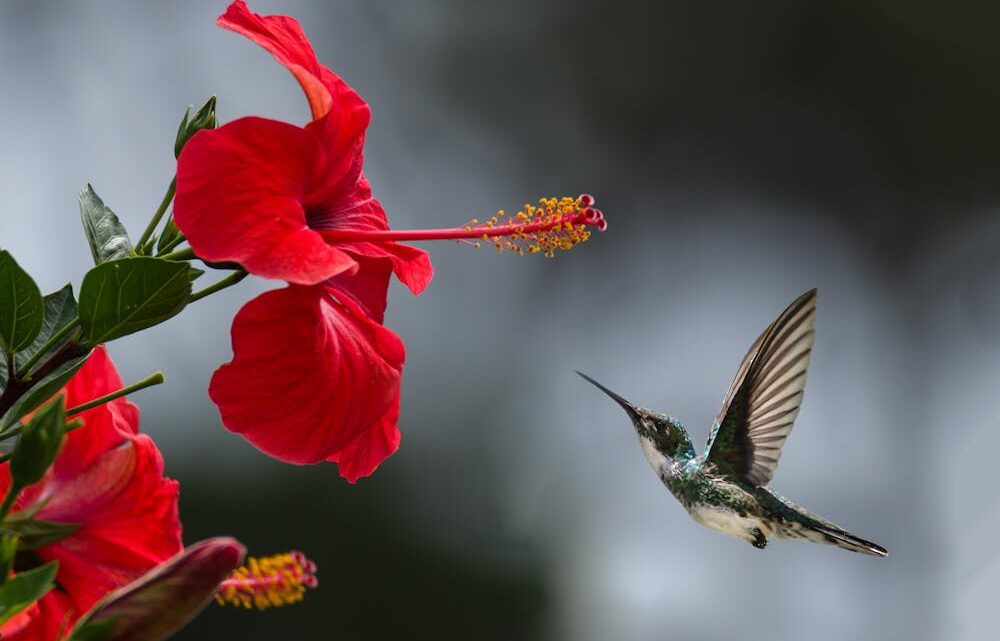
Mutualistic interactions abound in the canopy. Most flowering plants rely on birds, bats, and insects to transfer their pollen to other blooms. Hummingbirds, for instance, dine on nectar and rub against the pollen, which adheres to their bodies and is transported to the subsequent bloom. Fruit bats do the same job at night in Africa and Asia, reaching flowers which daytime pollinators miss. Other monkeys — like spider monkeys in South America — consume fruit and deposit seeds high up in the canopy, far from the parent tree. This disperses young trees throughout the forest, maintaining its diversity and health. In exchange, the plants provide nourishment and occasionally refuge to their animal counterparts. These interactions enable both ends to flourish.
Predator-prey dynamics are just as key. Insect-eating birds and bats prevent leaf-eating insects from becoming rampant. Without these predators, caterpillars and beetles would defoliate trees and drain the canopy. Small mammals like tree shrews eat spiders and other invertebrates. Raptors, such as hawks and owls prey on small birds and mammals, keeping their population in balance. Every predator influences the prey population which influences the plant life by nomming or sparing leaves, flowers or seeds.
| Type of interaction | Example species | Role in the canopy |
| Mutualism (pollination) | Hummingbird, bat | Move pollen between flowers |
| Mutualism (seed spread) | Spider monkey, toucan | Drop or carry seeds to new spots |
| Predator-prey | Hawk, tree shrew | Hunt insects, birds, or small mammals |
| Predator-prey | Bat, insect-eating bird | Eat insects that feed on leaves |
When one species disappears or declines in numbers, the entire balance can change. If bats disappear, for example, certain trees won’t be pollinated or have their seeds dispersed, resulting in less new tree growth. If bug-eating birds disappear, leaf-biting pests will devour more foliage, weakening the trees and making them less hospitable to other creatures. These shifts can travel through the web, with impacts that stretch way past the initial loss. Each connection in the canopy is important.
The canopy’s role in sustaining forest health and biodiversity

The forest canopy is essentially a living roof over the ground, and typically represents the most biologically active layer in a forest. In tropical rainforests, researchers believe that as much as 90% of all animals and plants live most of their lives in the canopy. Among its residents are birds, insects, mammals such as monkeys and sloths, and even numerous orchids, mosses and ferns. Its incredible diversity stems from the varied availability of light, moisture and food at this level. Numerous animals never reach the forest floor, depending on the canopy for shelter, nourishment and sites to reproduce. For instance, harpy eagles nest high in towering branches and gliding mammals like flying squirrels traverse from tree to tree without ever having to descend. Insects like leafcutter ants and butterflies likewise rely on the canopy. Because the canopy contains a variety of microhabitats, several species can live in the same area without directly competing.
The canopy serves as an umbrella for all the layers underneath it. Dense leaves and branches silence scorching sun, pounding rain and powerful wind. This buffer maintains a cooler, damper forest floor that supports tree roots and small plants. By decelerating rainfall, the canopy reduces soil erosion, as water gently drips down instead of drenches the earth. That nutrient remains in the ground and seedlings have a better opportunity to become established. In areas with fierce storms or dry seasons, it is the canopy that maintains the ecosystem as a whole. In many of the world’s forests, when the canopy is lost, soil quality rapidly declines and flooding or drought become more abundant.
- The canopy establishes food webs connecting plants, herbivores, and predators.
- It provides reliable nourishment and habitat, supporting the persistence of uncommon or fragile organisms.
- Since lots of animals pollinate flowers or distribute seeds high in the air, the canopy enables forests to regenerate.
- Birds and bats feed on insects that could damage the trees. Therefore, the canopy controls pests.
- By maintaining the humidity and chill of the air, the canopy inhibits disease and promotes strong growing trees.
- If a piece of the canopy food web disappears, it reverberates below, damaging both flora and fauna.
The canopy maintains this equilibrium by ensuring that energy and nutrients circulate in multiple directions simultaneously. That’s why the canopy is so important to forest health and biodiversity — it means forests can recover from jolts, like storms or droughts, and continue to support wildlife and communities relying on forest resources. For my readers worldwide, this equilibrium isn’t simply a regional concern. Forest canopies help clean the air, store carbon, and keep water cycles running long past the forest edge.
Impacts of environmental change on canopy species
Canopy species are key to forests. Their lives rely on a delicate balance that is disrupted by change in the environment. The canopy — a thick overhanging blanket of leaves and branches far above the soil–provides shelter, nourishment and a web for immeasurable species of flora and fauna. This layer is in peril due to alterations too rapid for many species to adjust.
The main threats to canopy integrity are:
- Deforestation, driven by logging, farming, and urban growth
- Climate change, which alters rainfall, temperature, and season timing
- Habitat fragmentation, breaking forests into smaller, isolated patches
Most canopy-dwelling species have unique requirements and intimate relationships with their environment. For instance, as much as 90% of canopy tree species require animals to pollinate them or disperse their seeds. As these animals disappear or alter their behavior, trees lose their primary means to reproduce. Parrots, bats, monkeys and insects fulfill these roles in forests everywhere. When climate change or logging forces them out trees flounder.
That’s not just in trees impacts. Parrots, for example, are now among the world’s most threatened birds, with more than 30% at risk of extinction – typically from habitat loss and changing climates. Certain orchids, which are epiphytes and grow on tree branches, continue to exhibit high diversity—approximately 70 percent of orchid species do this. Shifts in precipitation or temperature could endanger even these robust flora.
Climate shifts are already altering the inner workings of forests. In the Amazon, the rainy season in the south now begins a month later than it did in the 1970s. Longer dry seasons might push forests beyond a point of no return. The species composition of the canopy shifts. Some might disappear, while others better adapted to changed conditions might invade. In places, by the late 20th century there was just one wild member of some canopy species left. That’s indicative of the speed and profundity of change.
Many canopy species rely on insects for nutrition or pollination. Research demonstrates these connections are difficult to substitute. When one strand of this web snaps, others tingle. The disappearance of one species, be it a tree or insect, can cascade, altering life above in birds and mammals and even below in soil.
Tracking trends is essential. Declines or shifts in canopy species can alert us to more serious issues. By observing these indicators, we can intervene before the system tips too far.
Conservation strategies for safeguarding canopy balance
A healthy canopy is essential to the diverse blend of life that calls it home. Somewhere between half and 90% of rainforest species live in the trees, not on the ground. To maintain this balance, conservation efforts must target the canopy. That is, examining not just the organisms and connections between them, but the soil and atmosphere that support their growth.
Protected areas matter for canopy habitats. They require robust regulations and long-term management. Establishing reserves in areas of rich canopy life, such as the cloud forests at 1000–2000 m, allows epiphytes and other species to flourish. These epiphytes sprout on branches, consuming the constant mist for water. Without defined boundaries and patrols, logging, farming and roads can fragment the canopy. This endangers entire species, as numerous creatures rely upon the canopy’s intricate network of branches and foliage.
Reforestation and canopy restoration projects are making strides. These initiatives should aim to cultivate not simply trees, but the ideal composition of canopy species. Reestablishing connectivity between forest fragments is crucial for commuters like monkeys and birds who navigate high above the forest floor. In regions such as central Panama where lianas exceed tree growth, conservation plans must tread cautiously. Lianas can fend off trees during dry seasons, growing seven times taller and suffocating them, so pruning back lianas in young forests could help trees establish a foothold.
Soil health is in the mix. Soil organic carbon accounts for 76.8% of all below-canopy carbon stocks. Strong canopy cover = less soil erosion, more water in the ground, healthy carbon stores. Rainfall brings nutrients, research near Manaus, Brazil, demonstrating that one hectare can accumulate 3 kg of phosphorus, 2 kg of iron, and 10 kg of nitrogen annually. This ensures that trees and epiphytes thrive and maintains system robustness.
Community action COUNTs. Here’s a checklist for groups and individuals to help:
- Participate in or establish community forest guards to identify illegal deforestation.
- Participate in community tree plantings, select native canopy trees that enhance biodiversity.
- Initiate or support efforts to eliminate invasives, such as quickling lianas, where necessary.
- Assist with public awareness campaigns—publicize canopy life at schools or on the web.
- Support local and global organizations that purchase land for conservation or advocate for new legislation.
Here’s how new technology is conservation strategies for safeguarding canopy balance](https://perma.cc/6Q6N-NWLP). Drones allow scientists to monitor canopy balance more expediently. Canopy walkways provide secure, intimate access for research crews and even student groups. These instruments assist monitoring dynamic changes, detecting emergent risks and directing subsequent conservation activities. Since the 2010s, these advances have helped us understand how species like the hawkmoth, with its 35 cm tongue, fit into the larger picture and rely on a balanced canopy.
Lessons from indigenous knowledge and modern science
Others spend their entire lives deep in the forest canopy, depending on an interconnected network of symbiotic plants and animals. For generations, indigenous communities have observed and nurtured these layers in healing ways. Their practices—such as rotating harvest locations, leaving mature trees, or climbing rather than cutting—allow the canopy to regenerate and remain secure for birds, monkeys, frogs, orchids, and others. These habits match the rhythm of the forest. In villages from South America to Asia to Africa, humans have listened to the land — understanding which plants assist pollinators, which trees provide refuge for bats, how to harvest fruit and medicines sustainably. Many of these methods work because they incorporate local cues, such as the call of a bird or the flowering of a certain plant, to dictate when and how to harvest.
Contemporary science, with its species trackers and forest maps and carbon measurements, adds a layer more. By combining these two epistemologies, we obtain a more complete image. For instance, scientists can rely on satellite images to observe canopy cover changes, but local guides can point out which areas serve as critical feeding grounds for endangered birds or which vines should be spared to protect nesting creatures. This combination of abilities assists identify threats in advance, organize better, and conserve extra species. Research in the Congo Basin combined plant surveys with local folklore to discover new species of frogs and designate regions where strict protections are needed. In the Amazon, experience with indigenous groups has defined ground rules that align nut harvests with parrot nesting seasons.
Others have turned this collaborative effort into one of their mandates. In Australia, aboriginal fire management combined with modern science has ensured the proper balance of tree ages, supporting canopy species like gliders and possums. Inspired by indigenous knowledge systems and science in Borneo, Dayak knowledge about tree cycles helps set up logging schedules that allow the slowest-growing trees to regenerate, restoring habitat for hornbills and leaf monkeys. These tales illustrate how when local and scientific communities communicate and coordinate, everybody’s forest thrives, including the humans and animals in need.
To sustain this momentum, schools and training centers are launching programs that blend culture and science. These lessons guide both village youths and urban students to discover why the canopy matters and how to nurture it with new and old thinking. By combining the storytelling, maps, and fieldwork of all parties, these initiatives assist more people to participate in canopy care wherever they live.