Prioritizing tree species by region: guidelines for smart reforestation
9 December 2025Understanding regional priorities
Smart reforestation begins with a clear view of each region’s climate, land, and life. Not every tree works everywhere, so choosing the right one means understanding what makes each location unique. Climate dictates what thrives–hot, cold, dry or wet. For instance, tropical areas receive torrential rain and heat, whereas temperate zones may freeze every winter. These realities dictate what trees will thrive.
Native trees, that’s key. They suit the locale’s bugs, birds and beasts, and they assist in restoring what once grew wild. When native trees go back in the ground, they provide food and shelter for animals and insects that have inhabited them for generations. For instance, planting oak in a European forest aids to restore native birds and bugs, whereas pine thrives in boreal zones of North America and Eurasia. In Southeast Asia, dipterocarp reestablishes lost rainforests, in Australia, eucalyptus is the lifeblood of local fauna.
Soil, rain and how high you plant all count. Some trees adore moist soil, others require sand or clay. High ground means more wind and less water, so selecting hardy varieties like mountain pine or acacia is logical. In wet places like the Amazon, you want trees that don’t mind soggy soil, like rubber or Brazil nut. Dry spots–think savannas or mediterranean hills–require drought-proof selections such as cork oak or baobab.
Every region has trees that do best for smart reforestation. The list below gives a few key species for each major area:
- Tropical Rainforests: Mahogany, dipterocarp, cacao, Brazil nut
- Temperate Forests: Oak, maple, beech, chestnut
- Boreal Forests (Taiga): Scots pine, larch, spruce, birch
- Mediterranean Regions: Cork oak, olive, stone pine, carob
- Drylands/Savannas: Baobab, acacia, marula, shea
- Mountainous Regions: Mountain pine, fir, cedar, alder
- Monsoon Regions (South Asia): Teak, sal, neem, banyan
- Subtropical Forests: Eucalyptus, camphor, magnolia, laurel
Choosing the appropriate tree is also about planning ahead. Weather changes, pests, and new plant diseases can alter what’s effective. Interspersing species helps prevent large-scale destruction and maintain forest health. In certain places, fast growing trees such as poplar assist in repairing poor land or provide immediate shade, whereas slow growers such as oak establish enduring forests.
Smart reforestation isn’t about planting lots of trees. It’s about planting the right tree in the right place to make nature and people flourish as one.
Evaluating ecological fit
Intelligent reforestation must examine ecological fit. It is aimed at maintaining a healthy balance while assisting forests to rejuvenate. This begins with fitting new tree species into existing plant communities. When a species fits into the native mix, it nourishes the food web, the soil life, and nutrient flow of the region. For instance, supplementing native hardwoods to a temperate forest can benefit birds, bugs, and fungi that already exist there. By following the local blueprint, you don’t rock the system and allow new trees to occupy their niche without suffocating another.
One significant danger is introducing species that may become invasive and displace indigenous flora and fauna. Invasive species often spread fast, alter soil chemistry or consume water that other plants require. For example, planting fast-growing eucalyptus in a grassland can choke out native grass and reduce the water table, which can render it less hospitable for wildlife. Thorough inspections mustn’t be overlooked, either, because if invasives get a foothold, they’re more difficult to control. With tools like ecological surveys, teams can identify which plants could become an issue and exclude them from reforestation plans.
Selecting tree species involves selecting those that are resistant to local pests and diseases and are suitable for the soil type. A few species, such as Michelia doltsopa, have exhibited vigorous monthly growth rates, even in challenging locations, while others like Ilex polyneura provide dependable growth and durability. Our best species are not only fast growers, but can handle soil quirks and common dangers. With genetic info, teams can identify local ecotypes—populations within a species that fit the region’s climate, pests, or soil. For instance, genetic niche models (gENMs) have demonstrated up to 12-fold higher accuracy in predicting suitable areas for tree populations than non-genetic models.
Ecological fit means considering how tree species will fare as the climate changes. Something climate change is doing is making some ecotypes drift further apart, making it increasingly difficult to pick one-size-fits-all solutions. To forecast, teams employ models that capture how a species’ range may move as temperatures and rainfall patterns vary. Other species are more resilient, tracking changes more effectively than others. Tools such as True Skill Statistics (TSS) help verify the ecological validity of these models, with a few reporting up to 80% accuracy.
Ecological surveys are a big part of this. Soil, light, water and current plant and animal life are checked, and surveys indicate which species are best fit. For instance, greater canopy closure of the right tree mix can cool the ground by up to 1.2°C per ten percent more coverage, which can help buffer heat and drought. Such careful monitoring of seedling survival and growth rates, like those of Michelia doltsopa and Ilex polyneura, provides feedback on which selections work best over time.
Integrating climate resilience
Climate resilience should be at the heart of smart reforestation. The objective is to select tree species capable of confronting stress due to a changing climate, not merely what grows optimal in the present. What this means is examining what trees can best withstand—whether that be drought, extreme heat, or flooding—based on current and expected regional threats. It’s not just planting more trees, but constructing forests that help climate resilience and support the entire ecosystem.
Drought and heat are becoming increasingly common issues in numerous locations. Climate-smart forestry means selecting hardy species like acacia or eucalyptus in arid regions, or cork oak in Mediterranean climates. These trees continue to thrive when water is scarce and temperatures soar. For flood-prone areas, a species like bald cypress or mangroves fit better, because they can endure extended durations of wet soil. In temperate zones, mingling broadleaf trees like oak, ash and beech provides a greater chance of enduring volatile seasons. The right combination can help forests continue to store carbon, provide shade, and support wildlife as the climate changes.
Not enough to select a single hardy species. As forests themselves require a diverse stand of trees with varying boles of strength. If one variety tanks in a heatwave or flood, others might do just fine. This cocktail diversifies risk, rendering the forest less prone to crash after one event. Incorporating climate resilience, such as additional broadleaf trees, can help forests withstand higher temperatures while continuing to sequester carbon. This strategy, known as adaptive management, is crucial to climate-smart forestry. It builds resilience, sustains forests in growth, and sustains local economies dependent on wood, food and other produce.
Climate projections are important, as well. There’s an obvious warming trend in the long-term data, coming primarily from greenhouse gases. Rising heat accelerates evaporation, parching soil and reducing plant water. In practice, that means considering how much hotter or drier a location will become in 20 or 50 years, then selecting species that will continue to flourish. It’s not just about growing fast—it’s about surviving well into the future. In certain regions, decisions must additionally balance carbon storage with albedo, or reflectivity. Planting more broadleaf trees, which reflect more sunlight, can offset some warming, even if conifers store more carbon.
Forests are a critical part of the climate solution and could nearly double it by 2050 with climate-smart forestry. Disturbances–fires, storms, logging–cause around 20% of annual global GHG emissions. With smarter planting and management we can reduce these losses, increase carbon storage and keep other ecosystem services healthy as well.
Below is a table showing climate resilience traits of common candidate species for different areas:
| Region | Drought Tolerance | Heat Tolerance | Flood Tolerance | Example Species |
| Mediterranean | High | High | Low | Cork Oak, Aleppo Pine |
| Temperate | Medium | Medium | Low | Oak, Beech, Ash |
| Tropical | Low | High | High | Mangrove, Teak |
| Arid | Very High | High | Very Low | Acacia, Eucalyptus |
| Floodplains | Low | Low | Very High | Bald Cypress, Willow |
Balancing diversity and monoculture risks
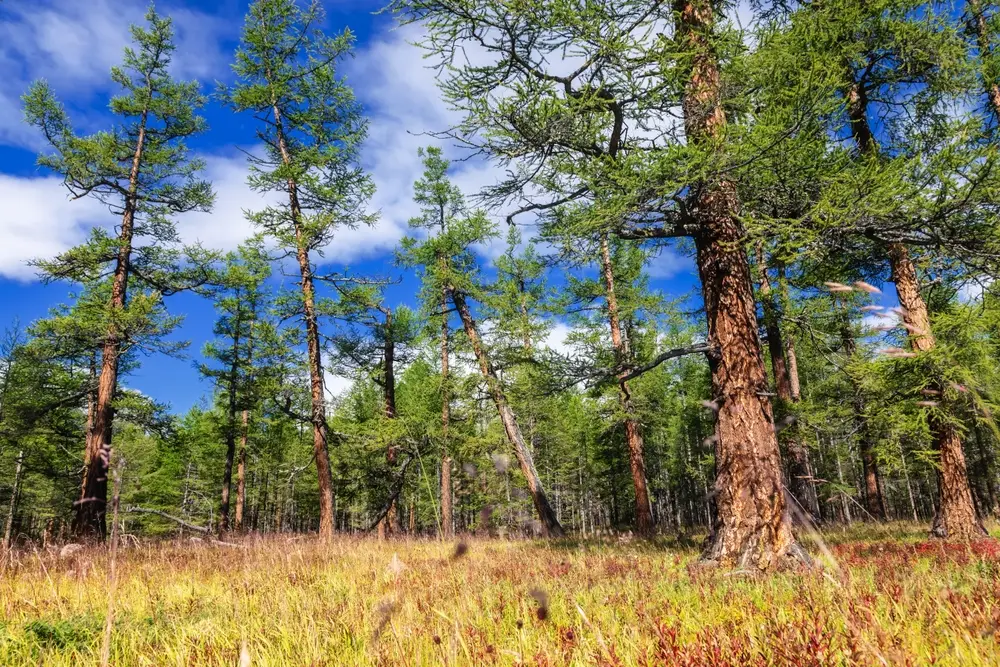
A diverse tree population can make forests resistant to pest, disease, and weather fluctuations. The more diverse the trees are in forests, the more birds and bugs and wildlife they harbor. At the same time, selecting too many varieties haphazardly can spell trouble. Balancing diversity and monoculture keeps forests growing strong and healthy for years.
Encouraging species diversity reduces the risk that some sort of pest or disease will eliminate an entire forest. When a forest consists of only one type of tree, one danger can propagate quickly. Take, for example, the risk of monoculture—when we plant huge tracts with eucalyptus or pine alone, a single disease that attacks these trees can render the entire tract defoliated. Mixed plantings, employing trees that grow together in the wild, can hinder the spread of pests and disease. If one species gets hit, the others can keep the forest standing.
Dependence on a single species, a risk called monoculture, can threaten the resilience of forests. Monocultures may be easy to plant and manage, but they’re leaving out important ecosystem services, such as richer soil and water storage. When forests consist of only one tree species, they cannot harbor many birds, insects or small mammals. This loss of diversity can damage the entire ecosystem. Some of the largest risks originate from pests and diseases that proliferate rapidly in these mono-species stands. If one crop fails, it can spell economic disaster for people who rely on these forests.
Mixed-species plantings that resemble natural forests provide greater resilience. With a framework species strategy, in which a combination of locally common trees are planted, forests can grow and recover more naturally. This encourages more wildlife and enables the forest to evolve with the times. Others rely on mostly local trees but include a sprinkling from other, comparable climates to increase drought- and pest-resistance. The native forest approach — focusing on trees that have always grown in the region — can help restore land without introducing new risk. Old species rich forests remain the gold standard for stability and biodiversity, but clever replanting can help young forests approach that goal.
Below are some pros and cons of monoculture and diverse plantings:
- Monoculture benefits: * Easier to manage and harvest.
- Quicker early growth in certain instances.
- May be cost effective in the short-term
- Monoculture drawbacks:. . * High risk of pest and disease outbreaks.* Bad support for other plants and animals. * Decreased ecosystem services (such as less carbon storage)
- Diverse planting benefits: * Greater resistance to pests and disease.
- More wildlife and healthier ecosystems.
- Enhanced soil and water quality
- Diverse planting drawbacks:. . * Harder to manage and plan. * More initial expense and planning required. * Potential species mismatch without careful management
It’s smart to start making decisions for seed sourcing and seedling production at least a year ahead. This enables strategic planting and reduces the risks associated with both monoculture and high diversity. As more than 39% of tree species are on the IUCN Red List, employing a considered species mix is crucial to sustained forest viability.
Engaging communities in decision-making
In smart reforestation, local communities take center stage. Engaging communities in the selection of tree species is not only a token gesture — it’s crucial to building trust and ensuring initiatives serve genuine needs. Local folks know their soil, what thrives and what suits their life. Their involvement informs decisions that bite, making woodlands functional and eco-friendly.
Projects are more successful when local stakeholders help select species. Residents might prefer native fruit trees as they produce food, or fast-growing shade or wood trees. In others, the trees, such as mango, moringa or acacia, are harvested for their nutritional richness and everyday use. By allowing communities to participate, planners can align tree selections with what residents hold dear. This method honors local traditions and increases the probability that trees will be maintained for the long run.
Workshops and participatory mapping are practical methods to incorporate community input. At workshops, participants discuss their priorities, contribute their experience with the land or rain, and highlight previous issues. With participatory mapping communities can be engaged in the decisions of where trees are planted, designating areas that require cover, clearings for crops or water protection. Such sessions can use simple maps or even mobile apps to collect concepts. Public meetings, surveys, and focus groups are typical and effective if customized to local practices. This ensures that all groups—youth, elders, women, etc.—have a voice. Research demonstrates that when locals helmed or co-created these plans, outcomes hold more firmly than top-down initiatives.
When selecting tree species, it’s clever to consider beyond the environment. Food, firewood, building materials and income are in the balance for so many families. For instance, in certain areas, planting cashew or shea trees aids diets and wallets alike. In others, quick-growing trees such as eucalyptus or bamboo are harvested for fuel. Projects that mix timber, fruit and fuel species often receive more community attention. At times there are compromises—what works for food may not align with income or soil requirements. Here, community discussions and compromise assist to determine the optimal balance, with all considering the benefits and drawbacks.
Ongoing feedback keeps projects on track A basic feedback mechanism—monthly check-ins, suggestion boxes, digital platforms, or follow-up meetings—allows members to highlight issues or contribute innovations. This helps identify problems early — such as pests, drought, or land conflicts. It assists planners in modifying plans so the project remains relevant and equitable. Multi-criteria decision tools like SWARA and WASPAS bring structure to these discussions. They make open to all how choices are scored and selected, establishing trust and transparency in the process. Community engagement isn’t a checkbox activity — it’s a dedication to hear, understand and evolve with needs.
Applying practical tools and guidelines
Smart reforestation is most effective when planners apply modern tools and transparent guidelines. Using electronic mapping tools, teams verify soil, climate, and previous land use before selecting tree species. These practical tools, whether GIS or satellite maps, can display rainfall, slope and even farmland fires. A Central European planner could use soil pH maps to select beech or oak, whereas in the tropics, rainfall figures assist in selection of fast-growing native tree species such as teak or mahogany. For African drylands, mapping groundwater and previous droughts leads to resilient types such as acacia or baobab. When you pair site characteristics with species attributes, crews achieve higher rates of survival and longer-term growth.
Step-by-step guidelines help translate plans into action. First, planners identify region-friendly species, with an emphasis on native trees that play well with local wildlife and resist pests. Next, they established nurseries with seed from vigorous stock. Planting follows, picking the optimal time — typically at the onset of the rains. Spacing is crucial, as in Southeast Asia where dipterocarp trees require a minimum of 3 meters of distance between one another. Mulching retains moisture and weeding early limits competition. For care and repair, teams water saplings during droughts and install basic fencing to prevent livestock from entering. In areas with severe winters, shelters shield seedlings from frost.
Follow-up checks count as much as the initial sowing. Teams have monitoring protocols to record tree height, canopy cover and survival. Drones count saplings, while basic yardsticks test growth by hand. For ecosystem recovery, planners observe soil health and returning birds or insects. Take, for example, ancient farmland in North America—increasing earthworm populations indicate the soil is recovering. To tropical forests, to watch native birds return is to glimpse the food web reconstructing itself. If growth is sluggish or pests appear, teams adjust care schedules or introduce new varieties to fill voids.
A good checklist keeps it on track. First, digital maps and gps tools locate the correct plot and monitor shifts. Second, a list of local tree species, annotated with information on their requirements, growth rate, and applications. Third, nursery gear—pots, soil and shade nets—cultivates robust seedlings. Fourth, shovels, water tanks and mulch for planting. Fifth, easy tree shelters or guards. Sixth, tools for tracking growth–measuring tapes, notebooks, camera drones. Finally, a record keeping system, paper or digital, helps teams learn from each site and disseminate what works.
Learning from successful case studies
Examining actual reforestation efforts globally highlights the importance of intelligent tree selection. They teach us, through successful case studies, which trees do best where, and why some plans succeed and others fail. They provide a direct insight into how choosing the optimal species can benefit the land, the surrounding community, and the regional economy simultaneously.
In SE Asia, for instance, projects that used local dipterocarps like Shorea and Hopea experienced greater tree resilience and ground recovery than those that employed imported fast-growing trees. These native trees suited the climate and restored local wildlife. In Brazil’s Atlantic Forest, they combined native hardwoods, including Tabebuia, with fruit trees such as guava. Not only did it rejuvenate the forest, it provided local folks with food and income, so local support remained high. These projects succeeded because planners employed local data, examined the community’s needs, and selected species suited to the local soil and weather.
A few reforestation initiatives attempted to satisfy multiple objectives simultaneously. Specifically, in East Africa, teams planted Acacia and Grevillea trees, which enhanced soil, provided shade for crops and offered wood that could be sold at a later date. This combination of objectives — assisting the land, economy, and the people — demonstrated why it’s essential to consider more than simply planting any tree. In India, the Miyawaki method on the other hand used dense mixed native species planting, yielding rapid growth and greater flora and fauna. These case studies demonstrate again that success lies in striking the right balance between what nature demands and what people desire.
Not every one of your projects will be successful. In other areas, non-native pines or eucalyptus were planted because they were fast-growing and provided rapid financial returns. These trees, however, over time dried the soil, reduced stream water, and did not support local fauna. Central American projects stumbled when planners forgot to ask locals what trees they prized. No community input, trees were cut down or left to die. These flops demonstrate that selecting the wrong species or publishing local wisdom can sabotage years of effort.
Best practices seen from these case studies include:
- Leverage local and regional research to inform trees species selection.
- Have a variety of species, not just one or two.
- Collaborate with local individuals and obtain their input beforehand.
- Think about long-term gains, not just quick wins.
- Check soil, water, and wildlife before planting.
- Employ SWARA and ARAS methodologies for thoughtful decision-making.
- weighing success in terms of tree growth and people benefits
By studying case studies, you learn how to avoid stupid errors and craft more intelligent strategies. Decision-making approaches such as SWARA and ARAS, and fuzzy multiple criteria models assist groups decompose difficult decisions and consider all the information. Case studies indicate that receiving feedback from all stakeholders, ranging from community leaders to government figures, sustains projects and enhances their effectiveness. They influence how policies and strategies evolve, making future reforestation efforts more likely to hold.