Why protecting the forest canopy is essential for biodiversity and climate
21 February 2026Forest canopy structure and its ecological roles
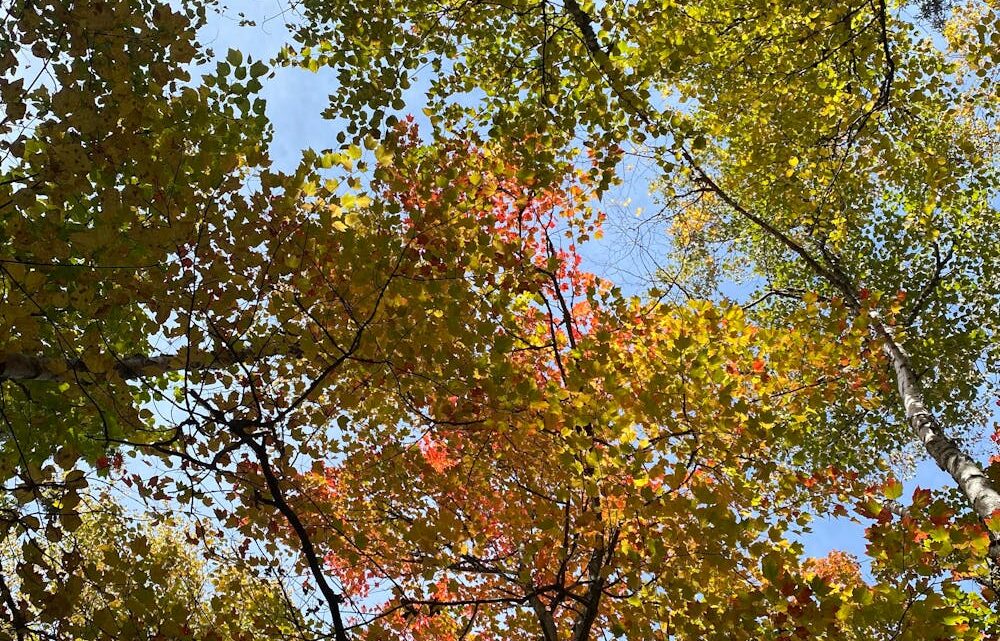
What was once thought to be nothing more than a layer of leaves on top of the forest floor, is now recognized as a mosaic of all aboveground vegetation—tree crowns, dense lianas, dangling mosses, and so forth. This intricate structure creates a living web that spans forests globally. The canopy is a world unto itself, and it contains approximately half of all the land species on Earth. Yet, it remains a science frontier, its life and function still being explored.
Several levels in the canopy produce a mosaic of habitats for organisms. There are towering trees stretching for the sun, smaller trees and shrubs filling in gaps, and layers of vines and epiphytes—plants that grow on other plants—preading to occupy every inch of available space. This layering provides shelter and sustenance to a plethora of animals and plants. Birds, monkeys, sloths, insects, frogs, and orchids all carve out a niche in these stratified habitats. Take, for instance, the Amazon’s dense rainforests — poison dart frogs lay and hatch in bromeliads high in the canopy, while fruit bats nest in the trees above. In temperate forests, the canopy can support special mosses and lichens which assist in capturing water and nutrients.
The diversity of ages and species in the canopy is vital to the forest ecosystem. We have young saplings pushing up through gaps, while old giants stand firm, a mix that supports both stability and change. This mosaic allows forests to recover from storms or dry spells and to control pests and illnesses. When a layer, or patch, is lost, it can have consequences for hundreds of years, altering what plants and animals can exist and how the forest functions. A forest of differently aged and shaped trees is much more efficient at capturing carbon, growing, and nourishing its resident wildlife.
- Canopy gaps allow sunlight to enter, spawn pockets of new growth—rare flowers, saplings and light-loving bushes.
- Gaps and soft edges, where canopy shifts and thins, host species adapted to both sun and shade, such as some birds and butterflies.
- These gaps are essential for numerous species to travel, reproduce or feed, and they tend to increase diversity throughout the forest.
The canopy also determines the in-forest climate. Leaves and branches intercept sunlight, break wind, and retain moisture. This provides a cool, humid microcosm underneath, even when it’s hot or dry outside. As the air temperature, light, and humidity change from the ground to the canopy top, these differences allow distinct plants and animals to reside at each level. Epiphytes and mosses on branches can absorb and retain rainfall, adding to the water that drips down to the soil. For others, such as oak savannas, lichen epiphytes can increase canopy interception by 50%. This additional water goes on to help feed streams and rivers, and keeps forest soils lush and nutritious.
New tools and fieldwork are beginning to pry open the secrets of the canopy, allowing scientists to explore its inhabitants and their functions. Researchers now climb, crane or fly drones to observe canopy life in action, from insects to nesting birds. They follow nutrient cycling, space use by animals and measure how canopy shifts cascade through the entire system. As these new studies illustrate, to steward forests effectively, we must regard the canopy as an integral component of an interconnected living system — not just a top layer.
Biodiversity as the foundation of ecosystem health
Biodiversity refers to the variety of life, from plants and animals to microscopic microbes, coexisting in a given location. This blend isn’t simply a roll call—it’s a vibrant web that maintains woodlands robust. A diverse species blend in forests contributes to these forests’ resistance to disease, pests and environmental stress. When forests are biodiverse, no single issue can destroy it all. For instance, if one tree species falls ill, others can step up and keep the forest humming along. This robustness is lost when forests become less diverse, leaving them more vulnerable to new pests or unexpected weather shifts.
Essential ecosystem services, such as pollination, seed dispersal, and nutrient cycling, rely on this diversity. Bees, birds and bats carry pollen and seeds, ensuring plant growth and distribution. Fungi and insects decompose the dead leaves, transforming them into loam. This stirs nutrients and fosters new growth. Without these helpers, forests would grind to a halt and lose their life-sustaining power. These healthy forests are home to storing approx 80% of all species living on land and absorb 2.6 billion tonnes of CO2 annually, slowing the pace of global heating.
Loss of biodiversity does more than reduce the roster of species, it makes forests less resilient to recover from fires, storms, or human impacts. When there’s less biodiversity, forests don’t rebound as rapidly and small issues become huge ones. Places with an abundance of wildlife species are more resilient in the face of change — like shifting weather patterns or seasons. Invasive species, a leading cause of biodiversity loss, have contributed to 60% of recorded extinctions worldwide by displacing or damaging indigenous flora and fauna. This in turn weakens the entire system, leaving forests susceptible to further dangers.
Forests have a huge connection with human lives as well. Wetlands and healthy ecosystems purify water, providing nearly 75% of the world’s freshwater. A number of today’s medicines derive from forest plants and fungi, reflecting our dependence upon them. Deforestation emits carbon and accounts for 11% of greenhouse gas emissions. When people clear forests or modify land, it’s raising the risk of diseases jumping from animals to humans. More than three quarters of emerging infectious diseases — such as Ebola — can be traced to locations where wild areas and biodiversity have been disrupted.
Key Minnesota forest species that help keep ecosystems steady:
- Sugar maple (Acer saccharum)
- White pine (Pinus strobus)
- Red oak (Quercus rubra)
- Eastern hemlock (Tsuga canadensis)
- Black bear (Ursus americanus)
- Gray wolf (Canis lupus)
- Pileated woodpecker (Dryocopus pileatus)
- American marten (Martes americana)
Climate change mitigation through canopy protection
They point to the central role intact forest canopies play in slowing global warming. Trees extract carbon from the atmosphere and sequester it in their trunks, leaves, and roots. When healthy, full-canopied forests can sequester vast quantities of carbon for decades. This carbon sequestration is crucial for reducing greenhouse gases. When a canopy is lost or broken, a lot of that stored carbon can fall back into the air, aggravating climate change. Forests with thick, multi-tiered canopies are the most efficient at retaining carbon. Research indicates that forests with rich diversity in their canopy sequester higher levels of carbon than those with a limited number of tree species. In certain areas, the variation in stored carbon between thick and broken canopies is enormous. For instance, while tropical forests are capable of storing over 200 metric tons of carbon per hectare, degraded forests with reduced canopy cover may store less than half that.
| Canopy Type | Carbon Storage (metric tons per hectare) |
| High diversity | 200–300 |
| Low diversity | 80–150 |
In addition to combating climate change, canopy protection keeps soil grounded and water cycles steady. When the canopy is undisturbed, it protects the soil from pounding rain, wind and direct sunlight. This aids in halting erosion, which carries nutrients from the land and inhibits vegetation growth. It means rivers and streams remain cleaner and healthier. The canopy is a sponge, intercepting rain and dripping it down gradually. It maintains groundwater levels and enables forests to recover from droughts. In arid or variable climates, few things protect soil and water as much as robust canopy cover. When we lose canopy, we lose these essential services, putting farmlands, water sources and entire communities surrounding forests at risk.
Varied canopies additionally assist forests in coping with extreme weather. Dense, mixed canopies act as a protective barrier from heatwaves, cold snaps, and wind gusts. Canopy leaves intercept heat and moisture, keeping the air underneath cooler on hot days and warmer at night. They reduce hard winds, decreasing the risk of damage to trees and other plants. This “buffer effect” is most pronounced in high-diversity forests with multiple layers of canopy. Forests without this diversity are more susceptible to being ravaged by storms, fires and disease. In tropical areas, where climate change’s impact can be worst, these organic shields are crucial. Resilient canopy forests can maintain their structure and function, even as the climate whipsaws from one extreme to the next.
For canopy protection to work, it must be accompanied by close tracking and smart management. That is, to use ground verification, satellite images, and computer models in order to track canopy changes. These tools assist in identifying threats, strategizing interventions, and monitoring the effectiveness of protection measures. Monitoring canopies allows communities to protect forests as natural shields against climate change. Protecting canopies isn’t just for trees—it’s for keeping forests resilient in a warming world.
Impacts of canopy loss on biodiversity and human well-being
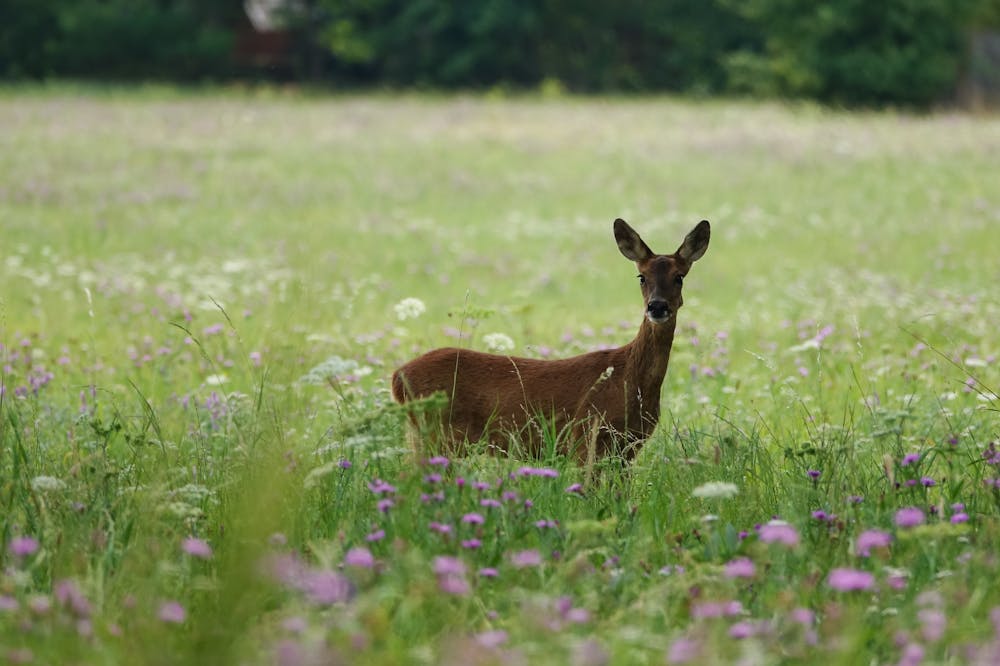
Forests house a diverse tapestry of life that rely on the canopy for shelter, nourishment, and optimal conditions. Canopy loss isn’t just losing shade. It means entire ecosystems can unravel. Hundreds of species of trees, epiphytes, and vines—sometimes more than 100 in a single patch of forest—lose their primary support. This loss ripples out to birds, mammals, insects, and fungi. They either migrate, perish, or occasionally become extinct. The International Union for Conservation of Nature cautions that habitat loss is the principal catalyst for global extinction.
Once the canopy disappears, food webs become unbalanced. Less food for wildlife with fewer leaves and fruit. The creatures that once dined on those fruits or took cover in the foliage must now seek alternative habitats. This predisposes them to faster abandonment or extinction. Pollinators — like bees, birds and bats — suffer when blooms and plants vanish. It’s not just animals who are impacted by the loss. About a third of all crops require animal pollinators. With less pollinators, food for people can fall. This may result in increased food costs and decreased food security, particularly in regions that depend on subsistence agriculture.
Healthy forests provide more than a habitat for flora and fauna. They purify the air, cleanse water and regulate the climate. The canopy protects the forest floor, assisting trap soil in place and absorb carbon from the air. When forests degrade, less carbon is sequestered, so more remains in the atmosphere driving climate change. Water cycles take a beating. Without canopy, rain slams the earth, eroding soil and silt into streams. Clean water for nearby towns becomes more difficult to locate. Recreation and ecotourism, on which many communities rely, suffer.
Local populations, particularly indigenous and rural communities, are in actual danger as the canopy loses density. A lot depend on forests for food, medicine and reliable income from ecotourism or non-timber products. When forests lose their canopy, these springs recede or disappear. Research indicates that approximately 75 million occupations globally are connected to nature-related labor. As forests come down, these jobs come down with them. When the forest canopy is lost, communities become more exposed to heat, drought, flooding, or other climate extremes. With less nature’s buffer, even minor weather shifts can deliver major blows.
Current experiments demonstrate how canopy loss alters forest functioning. It alters what species can inhabit there, transforms flora and fauna populations, and even the entire aesthetic and mood of the forest. The impacts ripple for years and extend well beyond the immediate location where trees were felled. Preserving or restoring at least 50% of remaining forests is considered essential to maintaining these critical processes. Numerous people who have glimpsed forest canopies up close report these transformative experiences defined their lives and careers, inspiring them to study and steward forests for the long haul.
Disturbances and adaptive responses in forest canopies
Forest canopies encounter a multitude of disturbances, both natural and anthropogenic. These events alter the composition and architecture of the forest canopy, which cascades through the ecosystem. Knowing what is shifting is critical for researchers, environmentalists, and anyone who cares about the health of forests into the future across the globe.
Fires, storms, and logging are among the primary disturbers of forest canopies. Wildfires, for instance, have existed with many forests and structured them. In locations such as ponderosa pine forests, years without regular fires have caused an accumulation of fuel. Now, rather than numerous small, low-intensity burns, these forests experience infrequent but very large, severe fires. Such hot fires can snuff a whole bunch of trees at once, leaving forests less resilient to bugs, drought, and even more fires. Violent storms rip open the canopy, creating gaps and changing the composition of survivable plants and animals. Logging, legal or illegal, strips trees and canopies with enduring impacts on local and regional biodiversity.
Structurally diverse forests — those with a mix of tree heights, ages and species — recover more quickly from a disturbance. In these forests, if a gap occurs, there are species galore waiting to fill it. This helps the forest recover and sustains diverse wildlife. For instance, in the wake of a storm or fire, that mix of sun and shade in the gaps can promote growth of new varieties of shrubs and trees, drawing a diversity of birds, insects and mammals. In tropical forests, which contain approximately 55% of the world’s carbon – more than half of it in biomass – this complexity is intimately related to the capacity to store carbon and sustain rich biodiversity. It remains difficult to measure canopy structure over long time periods and across large areas, making it challenging to model how climate and disturbance shape forests worldwide.
If we’re to maintain resilient forests, we need to keep an eye on canopy gaps and regrowth. From the ground, scientists employ instruments such as hemispherical photography to view canopy structure, monitor its transformations, and associate them with climate and forest performance. Canopy disturbance and regrowth patterns reveal whether a forest is recovering or on its way to permanent loss. These measurements aid climate modeling, as canopy structure is an important variable in land surface models.
Wildlife and plants use many strategies to cope with changing canopy conditions:
- Birds might nest in new canopy gaps or shift to denser areas.
- Others can sprout from stumps or roots following injury.
- Shade-tolerant plants thrive in the closed-canopy lows, and heliophiles fill openings.
- Insects transition to new hosts as the species composition of trees shifts.
- Mammals might alter their foraging paths to exploit the re-growth.
- Most plants modify leaf size or shape to exploit the available light better.
- They have species that time breeding or growth to coincide with sunlight increases after disturbance.
Innovative conservation and management practices
Saving the forest canopy and its irreplaceable wealth of biodiversity requires innovative, adaptive forest management. These approaches consider the wellbeing of the ecosystem as well as the requirements of those rely on forests. Forests across the globe are under siege from logging, disease, climate change and urban expansion. The right conservation, management and innovation practices can keep forests resilient — while providing economic and environmental benefits.
Uneven-aged management is what it sounds like–it’s selective harvesting, choosing only some trees to cut, leaving others to mature. This keeps the canopy largely closed, so sunlight continues to reach lower vegetation but doesn’t desiccate the forest floor. Selective harvesting maintains a diversity of tree ages and species, which encourages wildlife. In areas where selective harvesting predominates, such as Europe and North America, forests are more stable and abundant in species. More diverse forests have a better chance of resisting pests and storms. So, for instance, breeding pest-resistant trees became vital in North America after invasive bugs endangered native varieties. This combined species and age diversity provides forests a greater chance of recovering from injury.
Hybrid of even and uneven-aged to give forests the best of both. Even-aged management, such as clear-cutting in small patches, can create openings for plants that love the sun and give some species a fresh start, while uneven-aged techniques maintain canopy cover in most of the forest. By employing a mosaic of these methods, managers can satisfy the requirements of various animal and plant species and maintain the forest’s yield for timber or other products. For instance, he found that when wood product prices increase, landowners plant more trees. Managed forests, such as those in the DRC or Guatemala, have demonstrated that mindful timber harvest can reduce the chance that forests will be converted to farmland or other purposes.
Leaving cavity trees, snags, and deadwood in the forest is yet another easy, though significant, action. A lot of birds, mammals, and insects depend on old, dying trees for shelter and sustenance. Deadwood significantly contributes to cycling nutrients and maintaining the health of the soil. Certain stewardship plans actually now include leaving a number of snags per hectare as a general guideline. The economic value of natural forest regrowth and restoration can be massive — $84 billion — not including contributions to wildlife or the planet’s climate.
A clear checklist for stewardship plans helps tie everything together:
- Maintain a diversity of species and ages when planting or allowing forests to regrow.
- Leave some old trees, snags, and deadwood for wildlife.
- Apply a combination of harvesting techniques to maintain a healthy and diverse canopy.
- Factor in albedo when considering climate benefits from new tree planting
- Think of urban tree-planting as a way to make neighborhoods healthier and help cities cope with heat.
- Develop and cultivate pest-resistant tree species to minimize disease losses.
- Follow economic incentives, and collaborate with local communities, to create profitable forest management. Diverse, mixed-species forests not only sequester more carbon — up to 8.9 billion metric tons annually if forests regenerate — but are more adaptable to change. Urban tree-planting has proven value too, helping to close health gaps and cool cities.
Real-world case studies and future opportunities
Forest canopies sculpt the existence of thousands of species of plants and animals. They’re helping keep global temperatures down, sequester carbon, and purify local water. Forests cover only about 30% of the land, yet they provide more than half the critical surface drinking water in many areas. Protecting the canopy is a health, safety and climate issue for humans across the globe.
For example, in Costa Rica, reforestation and the sustainable tourism movement resulted in a resurgence of both canopy cover and local wildlife. Species that had once been uncommon — the jaguar and scarlet macaw, among others — began to make a comeback. In Gabon, Africa, controlled logging areas interspersed with reserves maintained both timber production and biodiversity. In Germany’s Black Forest, communities replanted indigenous trees and allowed natural openings in the canopy to develop, which stabilized the forest and returned many insect and bird populations. These efforts utilized straightforward measures—planting native trees, allowing forests to lie fallow, and prohibiting clear-cutting—to sustain canopies dense and vibrant with life.
In a few locations, canopy loss delivered harsh lessons. In SE Asia, canopies were broken by illegal logging and palm oil farms that displaced primates and ground birds. Ecosystem decline ensued once roots ceased holding soil and streams ran dry. In the Amazon, canopy loss created drier conditions and more fires, which hampered forest recovery. When local folks joined recovery, everything shifted. In India, replanting with native trees and letting canopy gaps heal helped forests bounce back. When such high-priority forests are protected, studies demonstrate that as much as 95% of animal and tree species are able to maintain 30% or more of their habitat.
New tools, new ideas are helping protect forest canopies. Satellites and drones now monitor change in real time, detecting threats prior to their expansion. Certain communities employ intelligent sensors to detect chainsaws or poachers. Community-driven projects, such as forest watch groups, have been critical. In Brazil, local teams use phone apps to tag illegal clearing and dispatch warnings. Such work and policies allocating 30–50% forestland aside really make a difference. If we saved half of all forestland, more than half of each species’ habitat would persist into the next generation. These objectives can be achieved with minor shifts in land ownership. Fortunately, most of the highest-priority forests are already held by the federal or state governments, so the road to protection is straightforward if the political will exists.
You can assist by educating yourself on area forests, becoming a watch group member, or advocating for robust legislation. Backing ventures that combine new technology, the wisdom of the ages and tight-knit communities. Even tiny actions, like spreading the word or planting native trees, accumulate worldwide.