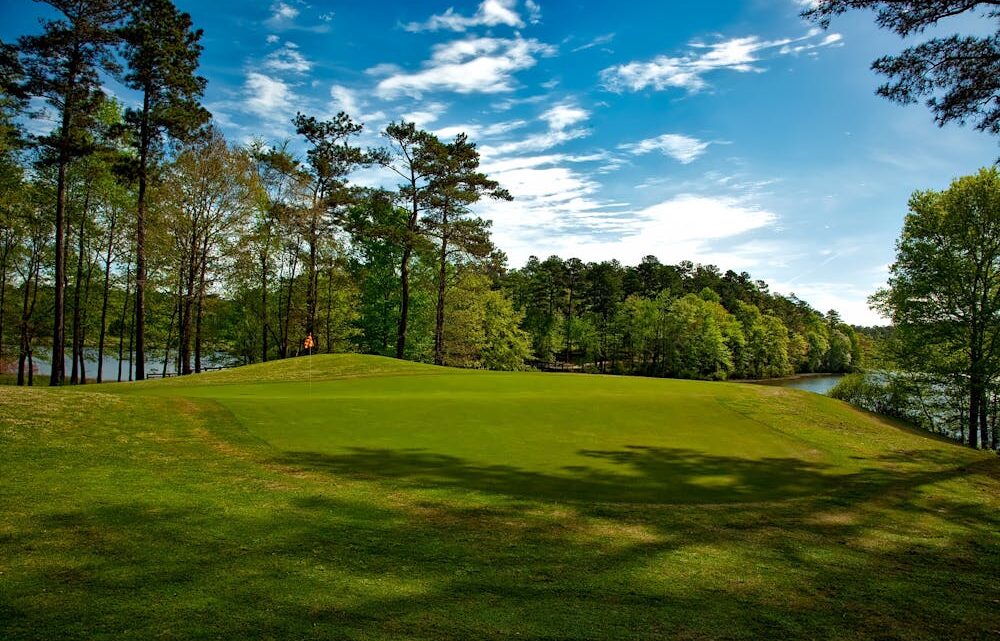
Wetlands and urban forests: essential partners for ecological balance
1 August 2025Ecological roles of wetlands and urban forests in urban landscapes
Wetlands and urban forests are critical roles of city life, even if we don’t always hear about them. Each provides crucial services that help define robust, life sustaining urban ecosystems. They’re not just green spaces–they’re workhorses, purifying air and water, cooling heat islands, and connecting plants and animals to habitats.
Wetlands within cities serve as nature’s water treatment plants. They absorb runoff from streets, lawns and buildings, capturing dirt, debris and pollutants before they enter rivers or lakes. This cleaning work is gargantuan in cities, where a lot of surfaces prevent water from soaking in. Wetlands, which occupy only approximately 6% of Earth’s land surface, punch above their weight here. Indeed, people flock to urban parks and greenspaces, making roughly half of all visits to natural areas, and three quarters of these have lakes, ponds or streams. Wetlands contribute to flood control, attenuating the impact of intense rain and preventing floods from inundating communities. More than 90% of respondents in one survey observed how storm ponds help manage water. Wetlands cool the air, too. Their cooling can extend a mile or so away and attenuate brutal city summers. When there are more water bodies, just a 10% increase, the urban heat island effect, which makes cities significantly warmer than surrounding rural areas, decreases by more than 11%. That’s to say, wetlands aren’t merely eye candy—they actively make city living more comfortable and secure.
Urban forests – that is, groves of trees, shrubs and undergrowth – are equally important. These green spaces provide birds, insects and little mammals refuge to nest, feed and bring up their young. As cities sprawl, these forest patches become some of the few remaining habitat where native plants and animals stand a chance. Urban forests maintain a diversity of native flora, preventing invasive species from dominating. This plant diversity is important, as it attracts more kinds of wildlife and helps maintain the forest’s resilience against pests or illness. The trees and plants also filter the air by catching dust and pollutants, which is beneficial for everyone’s health. We cherish them for their beauty and serenity. Almost 90 percent of respondents said they liked the appearance of constructed wetlands and the majority concurred that natural wetlands help maintain groundwater levels and protect wild flora and fauna.
Both wetlands and urban forests serve as wildlife corridors. These ecological corridors are critical in cities, where roads and buildings fragment the land. Corridors allow birds, insects and even mammals to traverse the city, find mates and disperse seeds. When too many wetlands are crammed together without enough connections it can damage the biodiversity of life there, as certain types of wildlife and plants become trapped in tiny, disconnected areas. Urban sprawl, agriculture and aquaculture have degraded or eliminated many natural wetlands, hindering the ability of these corridors to function. When shielded and designed right, these patches of green keep urban centers alive — providing not just humans, but animals space to flourish.
Complementary functions for ecosystem balance
Wetlands and urban forests mold city life in ways that extend far beyond green vistas. Now they make a pair that keeps nature in check and the city liveable. These areas function like a last complementary to others in the ecosystem, with each having its own particular strengths that, combined, maintain local climatic stability, promote food crops, prevent soil depletion and inhibit the spread of noxious weeds and pests.
Wetlands and urban forests provide complementary functions to stabilize microclimates by cooling air and holding moisture. Wetlands, even tiny ones, cool the city by transferring water into the air—just a 10% increase in the area of water bodies reduces the heat island effect by more than 11%. Urban forest trees provide shade and cool the air with leaf moisture. When these two combine, the cooling effect is higher, making hot urban spaces more comfortable. Form and scale matter, too. Round or square wetlands, not too elongated, cool air more effectively. This aids in reducing energy consumption for cooling and provides relief to humans and animals during heat waves.
In a lovely twist, both wetlands and urban forests off-site and on-site provide homes for pollinators — bees, butterflies, and birds. These guys are essential for urban gardens, crops and wild plants. Wetlands provide breeding grounds for birds and amphibians, and forests provide food and shelter for a wide range of insects. Urban farms and gardens rely on these pollinators for bountiful harvests. When wetlands and forests are near, pollinators cross readily between them, discovering more sustenance and cover. This mix contributes to maintaining a stable population of pollinators — crucial for urban agriculture and wild plants.
Preventing soil loss is yet another way these habitats complement each other! Wetland plants nestle into the soils with thick roots, soaking up excess water and reducing runoff speeds after rain. Urban forests contribute to this with roots that anchor soil and tree canopy that cushions raindrops. In combination, they all help reduce erosion, preserve topsoil, and keep soils brimming with life. Healthy soils translate to healthier plants, cleaner water and less dust and pollution.
In the fight against invasive species, wetlands and urban forests complement each other. A variety of plants in each resists invasions. Wetlands are complementary functions for ecosystem balance, acting as natural filters, trapping seeds and pollutants before they spread. Forests provide a blanket of shade and competition that prevents quick-growing invasives. That habitat diversity provides natural checks on pests and weeds, strengthening and stabilizing the entire system.
Integrating green infrastructure in urban planning
City planning that incorporates green infrastructure into the very fabric of urban design is among the most effective methods for ensuring our cities remain livable, resilient, and healthy for humans and the natural world. Wetlands and urban forests are critical to this because they assist cities in confronting climate change by cooling temperatures, managing water, and filtering air. Incorporating these natural spaces directly into city master plans and zoning is intelligent planning. When wetlands and forests are considered to be part of the city’s required infrastructure, alongside roads and pipes, it increases their value and shields them from being razed for quick profits. The regulations can reserve space for these areas, steer the location of new construction, and preserve vital ecological corridors. This helps ensure cities can weather storms, heat waves, and droughts, while providing people with green spaces to enjoy.
As cities seek to maximize the benefits of wetlands and urban forests, they should consider how these spaces complement toward each other. A good plan looks at the whole picture: where the green spaces are, how they join, and how they keep nature working well. Interconnected greenways are one method to connect wetlands, forests and parks throughout a city. These greenways are more than pretty—they provide corridors for wildlife, assist in water drainage, and facilitate walking and biking. For instance, a city could create a system of trails and tree corridors that trace a river, link parks, and go through rehabilitated wetlands. This makes neighborhoods cooler, helps slow stormwater, and gives everyone a place to get outside. The more connected these spaces become, the more they can sustain fresh air, sequester carbon, and shelter a variety of flora and fauna.
Green infrastructure works best when city planners, ecologists, and community groups work as a team. Planners understand the codes and how to wedge something new into place in city design. Ecologists can verify that developments will genuinely benefit the soil, aquatic systems, and fauna. Community groups understand what people want and can assist maintain local areas. When all these groups communicate and plan in harmony, initiatives have a greater chance of being sustainable and fulfilling actual needs. Citizen science is a great way to get people involved in this work. By allowing residents to assist in tracking birds, counting trees or measuring water levels, cities receive improved data and deeper engagement with their green initiatives.
- Recommend creating a table of successful green infrastructure projects that combine wetlands and urban forests, including: * Project name and location
- Key attributes (wetlands, forest, greenway, or mixed-use)
- Flood control, air quality, or community health outcomes
- Takeaways for your own projects
Other green infrastructure like parks and playgrounds and green roofs all contribute value, but their effectiveness varies based on climate, type of building, and maintenance. Urban farms and gardens can green cities and increase food security, but need careful planning to be effective for all. To make green infrastructure work requires thinking equity and ensuring access and stewardship for all neighborhoods.
Flood mitigation and water management benefits
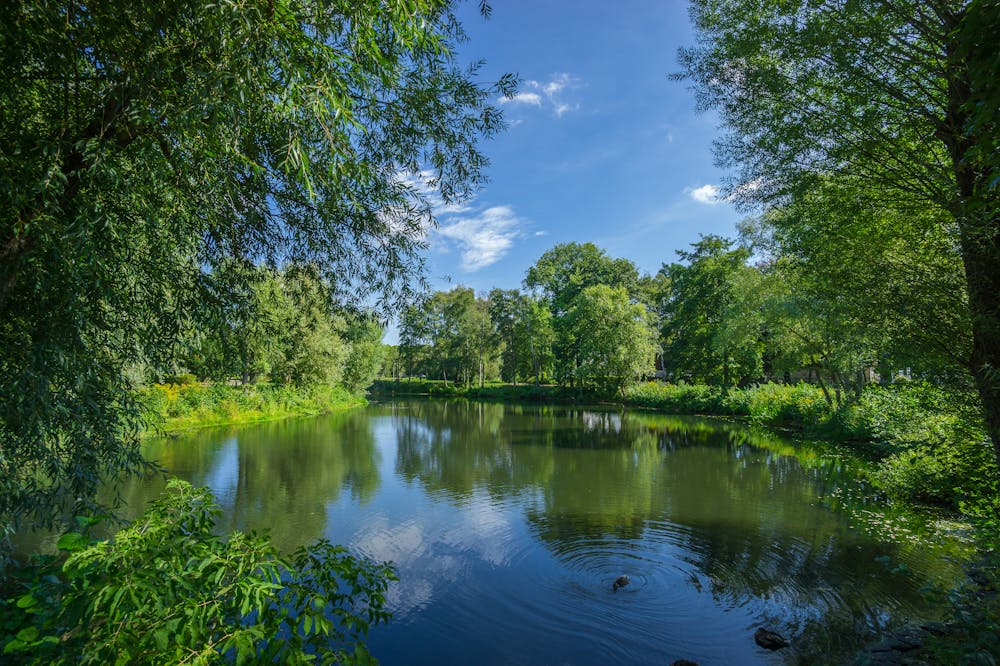
Wetlands and urban forests can be a major help in flood mitigation and water management in communities. Both function like natural sponges and shields, aiding communities across the globe in managing torrential downpours, swelling rivers, and storms.
Wetlands absorb stormwater and reduce the flood peak during large rainfall events. When rains come, water floods and disperses over the wetland, decelerating and allowing it to recharge the soil. Less water rushes into streets and rivers all at once. For example, bottomland hardwood-riparian wetlands along the Mississippi used to contain up to 60 days of floodwater. Today, after years of draining and filling, they capture just a 12 days worth of water. This loss equates to more water being pushed downstream, and faster, making floods more frequent and damaging. Globally, wetlands deliver tangible returns—roughly $237 billion annually—in terms of flood mitigation and water management benefits. Wetlands snare particles in the water, like soil and debris, which keeps the water in our rivers and lakes cleaner and prevents clogged drainage systems.
Urban forests are extremely helpful because they reduce the speed of rainwater falling on hard city surfaces. The leaves, branches and roots of the trees capture and retain rain, allowing it to drip gently to the ground. Their roots crack hard soil, easing water’s penetration to recharge groundwater. We know this as groundwater recharge. In big cities, where pavement and concrete coat the land, urban forests are an obvious boon. They reduce surface runoff, so less water rushes into sewers and causes flash flooding issues. Forest patches near streams or rivers block and hold back extra water, giving the land time to soak it in during heavy storms or snowmelt.
Preserving or restoring natural flood barriers is not only far less expensive than erecting new manmade ones, but frequently more effective. Here’s a simple look:
- Wetland restoration is cheaper and provides more protection into the future than levees, breakwaters and other built solutions — up to nine times more cost efficient.
- Just for flood mitigation and water management alone, restoring and repairing coastal wetlands on the Gulf Coast has the potential to prevent almost $20 billion of storm damage, in addition to providing enduring benefits for ecosystems and communities.
- While manmade fixes can wear out and require costly repairs, natural systems require minimal maintenance, continue functioning for decades, and sustain clean water, wildlife, and even local economies.
Maintaining wetlands and urban forests is crucial flood planning for cities and coastal livelihoods. Once these areas are filled in or drained or displaced, flooding becomes worse. We’ve seen this all across the US, where wetlands were drained and river floodplains altered, resulting in more frequent inland flooding. Wetlands serve as a buffer to protect coastal areas from hurricanes and strong storms, demonstrating their importance in both routine water management and extreme events. Preserving these areas is a wise action for cities and towns aiming to reduce risk and maintain water issues under control.
Climate change adaptation and mitigation strategies
Wetlands and urban forests both adapt cities to climate change and cut greenhouse gases. These natural systems help keep cities liveable, buffer against extreme weather, and absorb carbon. Their worth increases along with climate hazards.
Wetlands store massive amounts of carbon by trapping plant matter and slowing its decay. In cities, wetlands absorb as much as 250 tonnes of carbon per hectare. This is more than most other land types. Urban forests can sequester and lock away carbon. Forests, for example, on average, sequester approximately 20% of human-induced CO2 emissions. The thick root systems and nutrient-rich soils in both systems sequester carbon for decades or even centuries. These figures demonstrate the role natural spaces play as climate change adaptation and mitigation strategies.
Wetlands and urban forests protect cities from climate shocks. They reduce the hazards and expenses of heatwaves, floods and storms. Some specific ways they do this include:
- Lowering city temperatures by adding shade and evaporating water
- Slowing down rainwater runoff, cutting flood risks
- Acting as windbreaks to protect against storm damage
- Filtering pollutants from air and water
- Offering green corridors that allow species to relocate and adapt along with shifting climates
Restoring and maintaining these spaces in healthy condition is a tangible way to assist cities in adaptation. Restoration projects can revive lost wetlands or plant new urban forests. These efforts bolster the natural protections that cities require. For instance, in the Paraná Delta, the Argentinean government established “conservation lighthouses” as points for monitoring and stewarding the territory. These hubs help to prevent fires and other hazards. These types of projects can reduce the loss of wetlands, which are disappearing at a rate of 0.78% annually — even more rapidly than deforestation. In Japan, over 60% of wetlands were lost since the 1850s. Returning even small patches can go a long way.
Good management is required to allow healthy forests to continue working in a changing climate. Decisions regarding what types of trees to plant, methods for thinning forests and fire management are critical. When forests are simplified—planted with nothing but one tree species—they are simpler for pests or storms to destroy, which can make them less resilient to climate shocks. Using a combination of tree species and allowing forests to grow more naturally can help maintain their resilience.
Policymakers can intervene by supporting and investing in conservation. Investment in wetland and forest projects is not solely environmentalism—it is climate security. As we’ve discussed, by keeping these spaces healthy, we can save money from floods, heat waves, and air pollution. Conservation is good for your community. Public support for conservation efforts results in safer, greener cities for all of us.
Societal and economic value for communities
We value wetlands and urban forests because they form the societal and economic value for communities. These spaces provide more than just aesthetic value. They encourage healthier lifestyles, stimulate the local economy, and maintain community cohesion. Conservation work around the world, including studies from Chile, Finland and Canada, demonstrates the economic and cultural value people assign to these environments, not only for their aesthetic appeal but for practical purposes.
Access to green and blue spaces delivers obvious health benefits. Time in wetlands or forests reduces stress and improves mood, providing an escape from frenetic urban life. Air quality improves as well—trees and plants trap dust and absorb toxic gases, making the air easier to breathe. Cleaner air accounts for less breathing problems and less risk of disease. In Helsinki, for example, surveys indicate that residents feel a stronger sense of belonging in their city when they can easily reach ponds, parks and forests. In Tubul-Raqui, Chile, more than half of respondents reported they shared a connection with nearby ponds, associating their identity to culture and place with these locations.
Wetlands and urban forests provide additional spaces for enjoyment and education. Birdwatching, hiking and trail running are typical activities that get all ages outside. Schools utilize these spaces for field trips, allowing kids an opportunity to observe science first-hand. In most cities, there are wetlands with signs and trails for people to educate themselves about wildlife, water cycles and climate! These actions assist all of us, regardless of ethnicity, to become more connected to the environment and one another. Around New Zealand and the Netherlands, studies find that these areas become havens for birds and frogs, contributing to the biodiversity folks can experience.
Economic perks come close behind. Wetlands, forests save cities money and spark local growth. Key benefits include:
- Higher property values near green and blue spaces
- Lower costs for city cooling, due to reduced urban heat (an 11% reduction in heat for only a 10% increase in water surface)
- Less flood damage — tree cover reduces storm run-off by 2% for every 5% increase in trees
- So new jobs and eco-tourism income, like birdwatching tours or nature walks.
- More robust local food supply, with pollinators supporting gardens and foraged local foods options
Wetlands and forests combat climate change. In the Netherlands, wetlands suck carbon from the air, decelerating global warming. In Quebec, mapping services illustrate how wetlands provide communities with both economic and social value, representing a wise investment for the future.
These spaces maintain local food systems. Wetlands and forests attract bees and other pollinators, which enhances local produce and gardens. In others, they forage for wild foods, such as berries or herbs, sustaining food culture and frugality. Portugal’s legacy of wetland exploitation demonstrates how clever stewardship can sustain these services for centuries.
Overcoming challenges and advancing innovation
Urban expansion frequently threatens wetlands and city forests. Space in cities is at a premium. Land use conflicts occur when parkland or green space vies with new housing, roads or industry. Wetlands could be drained for construction. We clear forests to install parking lots or shopping malls. These shifts can fragment habitats and degrade the vitality of urban ecosystems. Funding is yet another obstacle. City budgets are strapped. Parks or green infrastructure funding are often eclipsed by pressing concerns such as schools or hospitals or transit. This implies wetland and forest initiatives are often postponed or reduced in scale, restricting their effectiveness.
Space limitations drive cities to invent new methods of introducing or preserving green space. Vertical forests are one solution. These are structures with balconies or rooftops covered with trees and plants. Milan’s Bosco Verticale and Singapore’s Gardens by the Bay are famous cases. They purify the air, reduce temperature and provide habitat for birds and insects, all with a smaller footprint. Wetlands constructed work as well. We employ shallow ponds, gravel and native plants to clean stormwater, hold floods and improve biodiversity. Cities, like Shenzhen and Melbourne, utilize them to scrub runoff before it enters their rivers. These projects prove that with some ingenuity, even congested cities can construct green space.
These smart technologies are transforming how city managers tend to wetlands and forests. Remote sensors can monitor soil moisture, water quality, or tree health in real-time. Drones, for instance, can be used to efficiently map plant coverage or identify illegal dumping. Online dashboards allow city planners and the public to see how their green spaces are faring. For instance, NatureScore or the i-Tree platform allow you to quantify tree canopy, carbon storage, or pollution removal. These solutions provide direction for care and demonstrate if projects are progressing as intended. They simplify the early detection of problems, allowing cities to address issues quickly.
Public backing essential for enduring greenspaces If they care about wetlands and forests, they help protect them. Engagement campaigns can cultivate this stewardship as well. Schools can organize field trips to the nearby wetlands. Local clubs could organize tree plantings or wetland cleanups. Cities can post stories and updates on social media or apps, so more people are aware of what’s on the line. Engaging local teams and volunteers injects fresh ideas and enthusiasm. It aids in ensuring that green projects serve the needs of multiple stakeholders. This type of outreach keeps wetlands and forests thriving for the long haul.