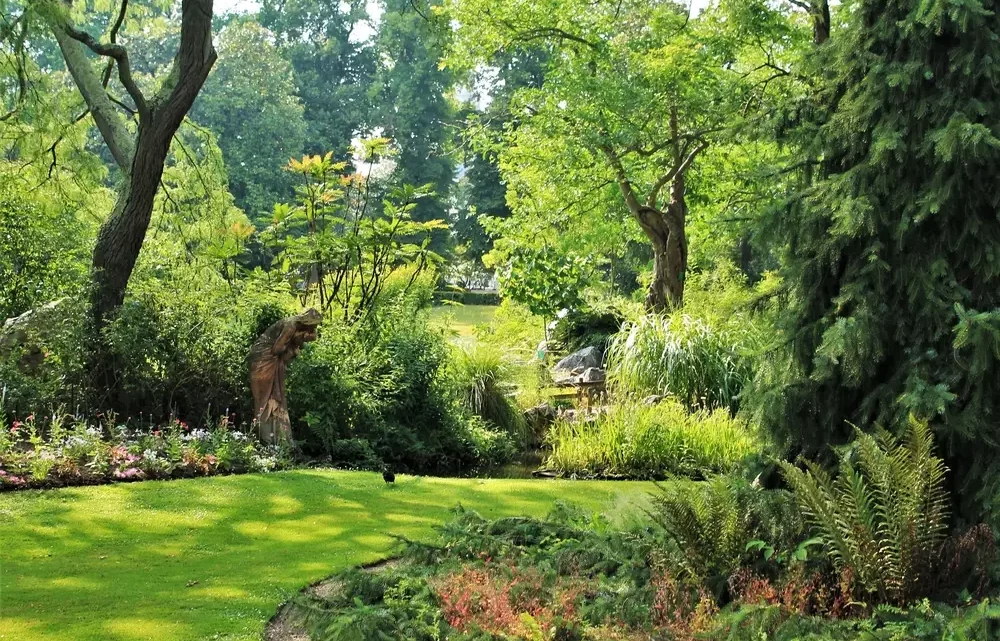
Green crowdfunding initiatives empower communities to restore urban forests
21 March 2026Understanding green crowdfunding for urban reforestation
Green crowdfunding is basically people seeking public funding to support environmentally-friendly projects, such as urban reforestation and renovation of nearby green areas. The concept is straightforward. Small amounts from lots of people – that’s what green crowdfunding for urban reforestation is all about. It’s a way for communities and concerned citizens to collaborate, frequently across national borders, to green and reclaim urban spaces.
Digital platforms are at the heart of this. They assist individuals in aggregating their funds on the web, thus simplifying the process for anyone with web access to participate. These platforms, whether Kickstarter or GoFundMe, link project leaders to a wide network of potential backers, local and global. In 2023, worldwide crowdfunding for urban farming exceeded $200 million. That demonstrates exactly how deep and broad that support has gotten. The advent of digital financing, including blockchain, makes it even easier to follow the money and maintain openness among stakeholders.
Green crowdfunding has revolutionized who can finance and influence urban projects. Historically, big donors or city governments decided most new green spaces. Now, citizens can initiate or back tree-planting or restoration in their own communities. This transition matters. It puts more people’s voices and real roles into bettering their city’s environment. When a lot of people participate, the project automatically becomes what they care about. Consider, for instance, this team in Singapore who crowdfunded the planting of native trees in schoolyards, uniting students, parents and neighbors in a shared purpose.
Green crowdfunding success isn’t just about raising money. Scholars have examined these campaigns to analyze what is effective. Projects have to be legal. More than 60% of urban farms, for example, must adhere to local roof guidelines to ensure that their operations are both safe and environmentally friendly. Project leaders typically have to register their campaigns, demonstrate they aren’t violating any financial regulations, and verify if their project is classified as a “security” under regional regulations. Compliance and transparency are not simply checkboxes – they’re essential to confidence and sustainable growth.
Communication is another big piece of the success. Campaigns that describe their objectives in simple, everyday language connect with more people and come across as more transparent. Photos and videos help, too. That’s not necessarily enough. Research indicates that even 81.2% of unsuccessful Kickstarter campaigns employed visuals. So, transparent, sincere communications are what count.
Checklist for launching a green crowdfunding campaign for urban forestry:
- Check local laws: Make sure the project meets all rules, including rooftop and environmental laws.
- Register or get legal clearance: See if you need to sign up with local authorities or get a legal exemption.
- Set clear goals:Something like that for the green crowdfunding for urban reforestation.
- Use strong visuals: Show pictures or videos of the area or what you plan to do.
- Pick the right platform: Choose a digital platform with a track record in green projects.
- Build trust: Share updates and keep backers in the loop.
- Stay open: Use tools like digital financing or blockchain for transparency.
Environmental and social benefits of urban reforestation
There are tangible environmental and social advantages to urban reforestation. The greener the city, the cleaner the air, the cooler the streets, the more habitat for animals and humans to flourish. Urban forests aid our cities in weathering climate and foster the health and vitality of all who call it home.
How urban reforestation improves air, heat, and biodiversity
Trees in cities aid air purification. Trees absorb carbon dioxide and capture pollutants and fine dust, reducing the amount of harmful material people inhale. Research finds that increased city tree cover may sequester 70m tons of carbon. Trees help cool hot city streets. When they shade roads and buildings, surface air temperatures can fall 6-10 degrees Celsius (11-19 degrees F) cooler than areas with sparse or no tree cover. This cooling effect implies less air conditioning usage by people, and that can reduce energy consumption and expense.
The more trees, the more birds, insects and small animals inhabit city areas. Urban forests provide these animals with habitat and sustenance, strengthening local ecosystems. Even a small park or street-line of trees can make a significant difference to urban wildlife.
Positive effects on mental health and community well-being
Green spaces in cities offer more than aesthetic beauty. Those who live close to parks and forests tend to be less stressed and more relaxed. They block noise and provide shade, making the urban environment seem less frantic. For most of us, a stroll beneath leafy boughs or an afternoon in the park induces mood elevation and fortifies mental health. Research in multiple countries indicates that individuals living in close proximity to trees experience increased happiness and reduced depression. With more than 80% of Americans and most people around the world now living in cities, providing everyone with access to green spaces is critical.
How tree planting builds social ties and civic pride
Urban tree planting tends to get people working together. When neighbors come together to plant or tend trees, they develop trust and friendships. These projects can bring people from all walks of life together, helping to break down barriers in our diverse cities. There are real-world examples of this working: a forest restoration campaign in Costa Rica did more than plant trees. It generated 3,216 green wages, 237 green jobs and assisted nearly 100 individuals in local communities. In so many cities, neighbors take pride in the trees they help install, and this establishes a sense of ownership and care of the area.
Reductions in stormwater runoff and local climate improvements
| Benefit | With Urban Trees | Without Urban Trees |
| Stormwater Runoff | Much lower (trees soak up rain, lower flood risk) | Much higher (more floods, more water pollution) |
| Local Temperature | Cooler by 6–10°C (11–19°F) | Hotter, more heat stress |
| Energy Use | Reduced (shade means less air conditioning) | Higher (more need for cooling) |
Engaging communities in crowdfunding campaigns
Urban reforestation, for example, really thrives on local support for crowdfunding projects. Crowdfunding provides a means for everyday people to support these projects as well, but it introduces the difficulty of breaking through the noise. The best campaigns leverage straightforward, actionable steps to connect communities and establish trust.
Mobilizing different communities–local citizens, schools, and businesses–brings more hands, ideas and resources to the table. Schools can have planting days or art contests about trees which gets the kids involved and ignites family interest. Local shops could establish donation jars or match customer donations for a certain amount of time. When citizens experience new trees in their neighborhoods, they feel the difference and they become more than contributors—they become part of the initiative. This ownership multiplies as individuals witness the trees purifying the air or shading playgrounds. Companies get kudos for backing green projects — and that resonates with consumers searching for socially conscious brands.
Telling the right story matters as much as raising money. Sharing the project’s mission in plain language and with real-world examples makes people realize the impact. For instance, rather than “reduce carbon emissions,” talk about how new trees will make the air cleaner for kids walking to school or cool the city streets in the summer. Before and after photos, brief videos and simple charts help make the benefits obvious. Social media can then share these stories quickly, allowing individuals to distribute posts and updates to their own networks. This extends the message into other communities beyond the normal supporters, attracting new backers from different regions and diverse backgrounds.
Forging relationships with local tastemakers and communities fortify a campaign. Community leaders, teachers, or influential social media figures can discuss the project’s impact in terms their followers can relate to. Hooking up with a non-profit, an environmental club, or a neighborhood group can give the campaign more reach and more credibility. These partners might provide meeting space, cross-post updates in their newsletters, and/or co-host events. The more voices saying the same thing, the less likely your campaign is to get lost in the crowd.
Taking communities on these crowdfunding rides are real opportunities to bring in cash and attention. Here’s a checklist with steps for a successful event:
- Choose a date and time that works for most folks — watch out for local holidays and the weather.
- Pick a simple objective – planting X number of trees or hitting a funding milestone.
- Choose an accessible location, such as a public park, school, or community center.
- Invite local leaders, teachers, business owners to participate or speak.
- Organize experiential activities, like tree-planting, care workshops, or nature walks.
- Then facilitate on-the-spot donations using mobile payment apps or good old-fashioned cash boxes.
- Illustrate how donations will be spent—itemize costs for tools, plants or outreach.
- Update communities during and after with photos and mini-stories.
- Solicit feedback and next step ideas from everyone who signs up.
Overcoming challenges in project funding and execution

Urban reforestation projects financed via green crowdfunding encounter real challenges. Donor fatigue and tight resources and rules from local authorities stall or sometimes bring work to a halt. Crowdfunding has its own problems too—support can fade after that initial burst of enthusiasm, or campaigners simply don’t connect with enough to make their goal. When environmental project guidelines shift quickly or are ambiguous, it introduces risk for project leaders and funders alike. Donors and investors want to see how their money made a difference, and delays or ambiguous reporting can erode trust. All these challenges can stymie the effect of community-supported urban greening.
One approach to these issues is by having realistic goals for your fundraising. Campaigns must provide transparent, straightforward budgets that outline exactly where each euro or dollar will be allocated. Outlining the estimated expenses for tree planting, upkeep and community events makes backers more confident. Trust comes from letting your backers know how dollars are spent, what you’ve accomplished to date. Platforms that are transparent with reporting on both the social and environmental impact of their projects differentiate themselves. For instance, demonstrating how many trees were planted or carbon captured or local jobs created is more compelling than abstract verbiage. This type of transparency should be mandatory for any platform seeking to obtain or maintain backer confidence.
Good communication is another big one. Research indicates that timely updates, digestible messages, and constructive comment threads enable campaigns to thrive. When project teams respond quickly and employ warm, upbeat language, donors are more likely to remain engaged. Words of defiance or passion from the project leaders can even help raise additional funds. Community engagement isn’t just updates—it’s involving them in the process, from organizing tree planting days to celebrating wins. Urban reforestation initiatives that tie in with schools, nearby neighborhoods, or places of work tend to receive more robust and enduring support.
Sometimes crowdfunding just doesn’t cut it on its own. To address the shortfalls, teams can seek matching grants from local governments or non-profits. These grants are double the impact – they match what the community raises. In-kind donations–tools, seedlings or volunteer expert hours–can save bucks and keep the project going if cash runs low. By working with local businesses to get these types of resources, the campaign becomes more robust and less reliant on solely cash donations.
A few practical steps can help teams stay on track when the unexpected happens:
- Adjust project scope or timeline to fit available funds
- Pursue additional funding through grants, sponsorships, or in-kind donations.
- Engage backers in decision-making during delays or changes
- Communicate setbacks clearly and offer regular progress updates
- Prioritize key activities if resources are tight
Regulation can help, as well. So when regulators establish transparent guidelines or launch a “Green Crowdfunding Seal,” this increases confidence and demonstrates to donors that their funds are managed responsibly. As more individuals seek to fund sustainable projects—such as conservation, clean energy or even green transport—these measures assist in maintaining crowdfunding as a viable, trusted instrument.
Transparency, accountability, and measuring impact
Green crowdfunding works only when trust is strong. They want to know their money makes an actual impact, not just plug a hole. That is to say, teams operating city reforestation initiatives need to maintain transparency throughout. Backers seek progress, candid conversations, and evidence their assistance matters.
Transparency and accountability — and measuring impact — regular updates count at every stage. When project teams post updates—photos of new saplings, stories from planters, or bite-sized stats on progress—supporters remain connected. This might be a monthly email, a project blog, or posts to social feeds. Even brief articles or app alerts can do the trick. When they view snapshots of new trees in city parks or hear from local teams, they feel more connected to the mission. It’s not simply a matter of achieving the final objective. Small wins and setbacks along the way both build trust — so long as the group remains honest and open.
Transparent communication comes alongside solid audits. Groups should demonstrate how they spend every penny. That means publishing straightforward, plain-spoken reports on expenses — how much went toward seedlings, soil, tools, wages for local workers, and overhead. A lot of groups publish these on their site, or send a link to backers. Could include a sample breakdown to the effect that 60% went to tree costs, 30% to labor, and 10% to other needs. Some projects even employ third-party audits or open ledgers. For global backers, such transparent accountability is critical. It provides transparency and accountability and impact measurement and helps people see that their gifts are well spent wherever they live.
It’s about transparency, accountability, and measuring impact. Hard numbers enable everyone to see if a project is effective or not. Good projects establish clear goals at the outset. How many trees planted, square meters reforested, and participants, for example. These signposts help you easily verify whether the work remains on course. For urban reforestation, a few organizations employ maps or data dashboards online. They allowed supporters to watch growth unfold in real time. For those new to this, here’s a sample of what impact data could look like:
| Project Name | Trees Planted | Area Reforested (m²) | Volunteers Involved |
| City Green Roots | 2,500 | 8,000 | 120 |
| Urban Leaf Initiative | 1,800 | 5,500 | 65 |
| Fresh Air Project | 3,200 | 10,000 | 150 |
These tables present straightforward results. From seasoned backers to first-timers, anyone can track impact quickly. When groups report these facts, they establish a foundation of trust that translates across borders and cultures.
Collaboration between stakeholders for greater success
They require the collaboration of stakeholders, who together can achieve more than any alone. They require individuals and organizations to collaborate. Green crowdfunding is a means to get multiple stakeholders onboard. It allows local governments, NGOs, businesses, and citizen groups to collaborate. Each group contributes its own expertise, channels, and connections, so projects can go further and accomplish more. Teaming – together with stakeholders to drive even more success. Working as a team really helps propel projects that might not receive funding from banks or don’t conform to traditional funding methods. This creates the opportunity for new and local projects all around.
When you share the work there’s less stress on any one group. A few partners could organize events or educate people on the project, others contribute their expertise on trees, city regulations or optimal planting methods. NGOs can demonstrate ways of engaging the public, while local leaders may be able to assist with permissions and venues. Businesses can contribute dollars or donate equipment. By blending their expertise, the initiative can proceed more efficiently and achieve its objectives more quickly. If everyone knows their role from the beginning, we have less surprises. Partnership contracts are a nice way to establish firm guidelines, so each party understands what to anticipate. This prevents confusion and keeps the project rolling.
Collaboration signals big funders. With so many groups involved, it demonstrates how well-backed and trusted the project is. This might aid in attracting additional funds from major donors, providing the initiative a stronger opportunity for sustained success. Crowdfunding with a multitude of voices means it’s easier for project leads and backers to communicate, exchange ideas and solve issues. Effective communication is essential. Campaigns that share frequent, digestible updates and respond to comments perform best. Open conversations bridge the divide between planners and donors. So this creates trust — the kind required for any endeavor to endure.
Not every venue or community has an equal opportunity to receive funding. Others encounter harsh competition, such as less access to loans or a fierce fight for public money. Collaboration between stakeholders can help fill these gaps. It incorporates more stakeholders, ensuring that initiatives benefit everyone — especially communities most impacted by environmental hazards like pollution or limited access to green spaces. When all are invited, the undertaking is more just and addresses genuine requirements. Collaborating with numerous communities additionally assists in incorporating innovative, eco-friendly building solutions, like utilizing low-carbon materials or urban-friendly vegetation. Not only can this reduce energy consumption and diminish airborne CO2.
A successful collaboration between stakeholders. They want to know what the project is for, how it will work, and how it will help. A powerful narrative attracts followers and retains them, enabling you to accomplish more.
- Examples of successful multi-stakeholder urban reforestation projects funded through green crowdfunding: * For Nairobi, Kenya, city workers, schools and local shops united to plant native trees along public roads, with hundreds of small backers online.
- In Berlin, Germany, a coalition of tech companies, universities and citizen groups crowdfunded green roofs and new trees on city blocks, with frequent public updates and open meetings.
- In São Paulo, Brazil, NGOs and local leaders collaborated with residents to revive parks in poorer neighborhoods, using crowdfunded funds and jointly planned with neighborhood groups.
- Sydney, Australia A campaign that brought together city planners, artists, volunteers and locals and businesses to raise funds to create green corridors, uniting art and nature.
Innovative trends and future opportunities in green crowdfunding
Green crowdfunding — transforming how urban reforestation projects are funded It joins individuals and groups who desire to make their cities more green, clean and LIVE. The advent of powerful digital tools and the growing global consciousness about the urgency of change in environmental stewardship is propelling this sphere forward, unlocking new methods to finance and monitor tree planting and urban green spaces around the world.
One major trend is leveraging blockchain and digital tokens. Blockchain provides each donor with transparent documentation of where their funds are allocated and how. Take, for instance, how a few rooftop urban farming projects are now offering tokenized ownership or agrivoltaic credits, so individuals can purchase fractional shares, monitor their yields, and visualize the specific impact of their contributions. This facilitates the participation of micro-investors, enables projects to demonstrate actual impact and establishes credibility. Blockchain integrates with satellite monitoring for real-time traceability. Donors can view real-time updates on tree growth or urban gardens’ health without stepping foot on the site. This degree of transparency and traceability is setting a new benchmark for urban reforestation projects to account for their work.
Dedicated to green and urban farm crowdfunding, there are increasing numbers of platforms specifically for that. These platforms emphasize linking local initiatives with international supporters, enabling individuals to contribute to urban tree planting, rooftop gardens, and green infrastructure with ease. For example, some platforms focusing on urban farming allow backers to finance rooftop gardens and monitor their crops through live feeds or in-depth updates. A lot of these platforms employ rewards-based crowdfunding, offering mini-gifts, produce, or naming rights as a thank you to donors. This strategy has been effective in getting greater participation, particularly when the incentives are tied closely to the project’s mission or locality.
Citizen science tools are just beginning to play into green crowdfunding, too. These tools allow community members or donors to leverage apps and sensors to gather data about trees, air, or soil. All of this information is transparent, providing real-time reporting and assisting project founders to demonstrate that their efforts are effecting a difference. Projects can now demonstrate tangible environmental, social, and even economic impact — critical to attracting more funding and keeping backers engaged. This means that with the increasing need for transparent impact reporting and ESG (environmental, social, and governance) compliance, projects have to be more transparent and accountable than ever before.
To amplify the influence of green crowdfunding, initiatives could tie in with government incentives or CSR programs. Most cities don’t think twice about launching large tree-planting campaigns to combat air pollution and reduce urban heat, and these civic efforts naturally dovetail with crowdfunding projects. Projects that comply with such local regulations as rooftop gardens or urban agriculture, now mandated in over 60% of cases, are likewise helped by local authorities. With companies looking to buy ESG credits, they may provide matching funds or sponsor projects to help extend the impact of community donations and accelerate urban greening.