
Co-creating greener neighborhoods: partnerships between residents and municipalities
27 January 2026Understanding community needs and aspirations
Getting to know what people in a neighborhood care about is key to creating more sustainable spaces that work for all. This means engaging with residents, listening to their ideas, and ensuring the designs address genuine desires. City plans from the 1960s continue to influence how we live communally — so it’s crucial to understand what’s important today, not just settle for outdated notions. Co-creation infuses more voices and builds trust between residents and city staff. It assists in identifying what’s absent or how something could be accomplished in a superior way.
Neighborhood surveys and workshops are good ways to collect a lot of input. Meeting in person allows people to relate informally, something that engenders trust and facilitates hearing from those who may be quieter in an online context. A workshop in a local park, for instance, may draw parents, seniors and youth, who might all have different opinions about what green spaces should provide. Workshops and surveys are most effective when open, welcoming, and scheduled at convenient times. Others like them online, so a combination of both gets out to more of the community.
Certain needs and dreams are unique to every locale. Environmental concerns and hopes can include:
- Cleaner air and less noise from traffic
- Safe places to walk and bike and more trees for shade
- Safe play areas for kids and families
- Gardens or green roofs to grow food locally
- Spaces that support local wildlife
- Better ways to manage rain and waste water
- Community events that bring people together outdoors
- More chances to learn about caring for nature
Mapping what’s already in place, and what’s missing, is a big step. Perhaps one neighborhood has plenty of parks but substandard paths, or another case had great gardens but minimal community space. By mapping assets and gaps, planners can target that which really matters. For example, if a community has no shade, tree-lined sidewalks can make walking a safer option in the heat. If there’s a passionate cadre for community gardening, supplementing plots or tools can help these efforts blossom.
Open dialogues between citizens and municipal employees are crucial for co-construction. That implies frequent conversations, digestible progress reports, and collaborative brainstorming sessions. Engaging with people at every stage — connecting, imagining possibilities, brainstorming, defining specifics, measuring achievement — ensures that your ultimate plans represent actual needs. When folks jump in, new groups emerge, expanding by 60% — or more — during a project. This keeps the green efforts strong even after the city recedes.
Municipal frameworks that enable public participation
Municipal frameworks have significantly evolved, transitioning from traditional founder-centric decision-making to more contemporary participatory models where the public has a voice. Public participation is now viewed as crucial in developing more sustainable communities. Municipal systems that allow for public involvement Parks and public spaces have become gathering grounds where citizens exchange opinions and engage in conversations that assist in defining the future for the city. This turn to a more transparent mode of operation has driven municipalities to establish tangible policies and create new avenues through which citizens may contribute to environmental decision-making.
The initial phase is establishing transparent regulations and mechanisms for citizen engagement. Municipal infrastructure that allows for civic input. Cities have to publicize how and when members of the public can attend discussions or provide feedback. This could imply posting meeting times on the web, putting up signs at local gathering areas, or otherwise using newsletters to publicize. Others solicit feedback from the public—one city, for example, got 423 responses from citizens concerning their habits and aspirations with regard to green spaces. Other locations hold public hearings. For example, one city convened 412 events — including more than 13,000 people — while strategizing a pollution reduction plan. These actions facilitate the public – not just the most outspoken – to have a voice.
Cities are beginning to give people direct input on how cash is spent on green projects. This is known as participatory budgeting or planning. Citizens assist select what green projects receive financing, such as tree planting, bike lane or community garden construction. Elsewhere, residents have co-designed proposals for solar panels and wind turbines, collaborating with municipal staff to determine necessities by 2030. When folks witness their concepts gain traction, it helps cultivate trust and sustain engagement. This immediate involvement educates them on what’s feasible in their own communities.
Bringing residents and city workers together is another huge move. Cities establish committees or boards that combine citizens with municipal employees. These groups convene to discuss plans for parks, energy, or waste. The aim is to source concepts from various individuals, mirroring the diverse cultures and requirements of every region. Research proves that hearing more voices results in wiser, more just decisions for all. When we both speak there’s an honest exchange of ideas and innovative solutions emerge to make the city even greener and more connected as a community.
We need to be able to look back and see if these ways of working are equitable and productive. Cities must inquire whether all are being accessed or whether some are being excluded. That is, updating and changing rules over time. So, say, if the face-to-face events miss those with hectic careers, cities could supplement them with online chats or apps. The top cities establish ambitious targets, such as a 95% reduction in emissions by 2050, and then test if their strategies support them achieving those goals. This continual work keeps the process accessible and ensures all communities feel included.
Strategies to engage and empower residents
Building greener neighborhoods is most effective when residents and municipalities collaborate. Common objectives require common activity, and enduring transformation arises from authentic adoption on the ground. Residents want to be heard, and they need tools to participate. So here are some actionable tips to assist residents to get involved, get educated, and take charge in helping their neighborhoods become more sustainable.
- Opening awareness campaigns begins with defined actions. First, discover what’s important to local people – what are their priorities, their worries, their concerns – both through surveys and small group discussions. Next, spread the word with posters, social media, and local news to connect with a diverse audience. Hold real-world events — these tend to work well, 13,614 people were reached through 412 events in one example. One-off events can lend a hand by providing folks a venue to exchange ideas on a single subject, which can ignite new projects. Keep in contact over time. When you get residents involved for months, not days, you can achieve broader impacts — such as the 53,000 people and 270 organizations that participated in a seven-month movement.
- Along with training and resources, resident-led projects are supported. They want residents to know how to initiate and sustain green projects. Provide how-to manuals, toolkits, and web resources–these assist individuals in organizing gardens, energy conservation efforts or recycling campaigns. Create a citizen advisory board where they can discuss local needs and exchange advice on what works. Case in point — 264 residents who banded together to form a co-op and tackle their local energy issues. That’s representative of the fact that when you give people a defined role and the tools and support they need, they can address larger problems collectively.
- Incentives and recognition programs motivate even more to get involved. Publicly thank active groups or feature their work in community newsletters. Provide small incentives (vouchers, funding) for groups that operate successful projects. This demonstrates appreciation of their time and effort and can sustain enthusiasm. Recognition can mean more people think it’s worth getting involved, particularly when they see their friends and neighbors participating.
- Skill-building workshops help residents grow in confidence and learn new leadership skills. Consider providing workshops on climate science, local environmental issues, or organizing a community event. Keep the subjects general so members of various backgrounds can participate. Employ hands-on examples, such as climate workshops that incorporate local facts, to make learning feel immediate and relevant. In the long run, consistent activities matter—such as the 25 workshops that reached 4,000 people over four years. These workshops can establish networks that extend beyond the event.
Collaborative approaches for greener neighborhoods
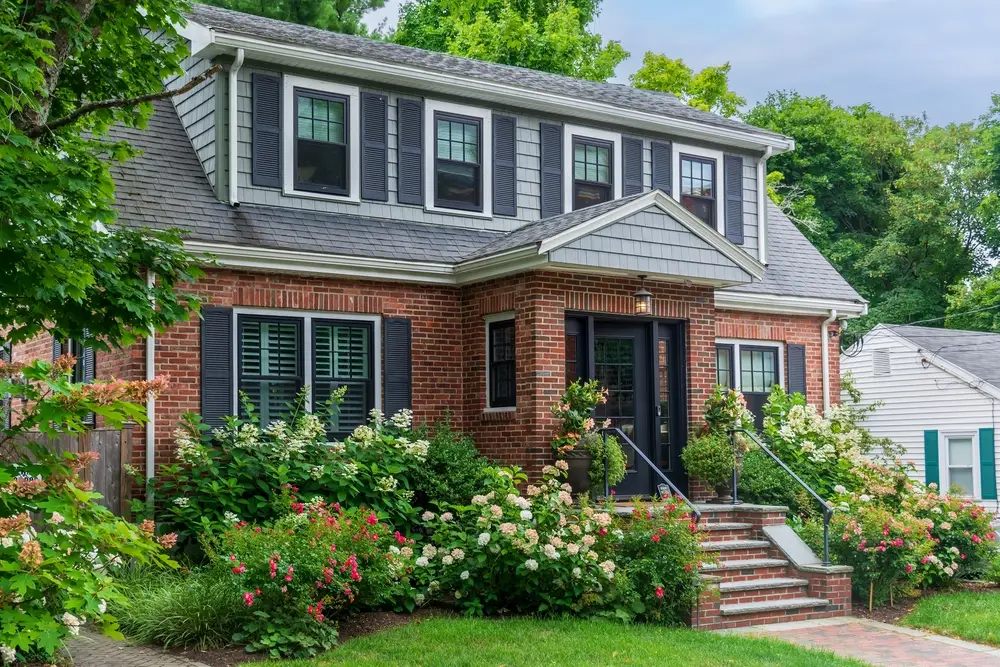
It’s not a unilateral business to build greener neighborhoods. It requires residents, mayors, communities and small businesses to collaborate. When we all pitch in, it sticks longer and serves more. These collaborations ensure that everyone, including underrepresented communities, has a seat at the table. As we all have different notions of what green spaces should provide, bringing these together can help mold spaces that satisfy multiple desires.
Partnerships means leveraging resources from all sides—public money, private money, even volunteer efforts from residents or local organizations. This blend typically accomplishes more than one group working solo. For instance, a few cities have initiated programs in which local stores contribute to funding park maintenance, residents plant trees and city administrators plan for the future. NGOs can contribute expertise in community outreach and help ensure the work is equitable and accessible to everyone. These collaborative efforts prevent issues like green gentrification, wherein certain populations gain and others potentially get displaced.
Cooperative strategies for cooler communities. These organize who does what, when, and how so nothing slips between the cracks. Defined roles promote flow and allow everyone to visualize how their contribution connects. For example, a scheme could leave the city to fund large efforts, while residents nurture gardens or conduct nature-themed educational activities. Local businesses could assist by donating supplies or hosting workshops. This common infrastructure distributes both the effort and the benefits.
Weekly community forums keep everyone informed. Neighbors gather to review progress, discuss issues, and make adjustments. These meetings facilitate adapting plans when things shift, like when new people move in or when the weather changes. Forums foster trust and allow all to learn from one another. Over time, this can inspire new ideas and new connections in the neighborhood.
Success stories and lessons learned from real partnerships:
- Community-run gardens in certain cities resulted in less pollution and more connections.
- Public-private work in park upgrades brought more funding but worked best where local people had a real say.
- Cross-sector teams helped keep projects going even when one partner had less time or money.
- Thoughtful design halted green gentrification by ensuring affordable housing remained in the mix.
- Forums gave rise to new projects, such as monthly cleanups or open-air markets, that kept people engaged.
- Long-run success often came down to open meetings and transparent, easy-to-understand rules for all.
Technology as a bridge for co-creation
Digital tools are eliminating obstacles, simplifying everyone’s ability to exchange suggestions, participate in design, and track what transforms in their neighborhood. By reinforcing these connections, technology fosters trust, amplifies voices, and transforms common missions into tangible impact.
Digital platforms and mobile apps now allow individuals to exchange ideas, vote on eco initiatives, recommend alterations from afar. Take, for instance, how numerous cities have dedicated apps or web portals where citizens can snap a photo, jot down a problem, or even suggest a new park or green space. This gives all of us, even those who can’t make meetings, a voice in how our neighborhood expands. When more people participate, there’s more buy-in and pride in the space. Things such as polls, open comments sections and quick surveys are great ways to source a wide variety of opinions, ensuring decisions align with what your residents want.
Online mapping tools allow all to view what is planned and provide direct input. By uploading proposed projects—such as new bike lanes, tree plantings, or community gardens—to interactive maps, both city planners and locals can visualize how ideas might function in practice. Citizens can pinpoint locations on a map, leave comments, or vote for favorites. This method reveals the context and allows individuals to identify issues or opportunities that data by itself may overlook. It aids city teams in monitoring which concepts receive the strongest support, enabling them to prioritize what’s most important.
Virtual town halls make planning more accessible to people. Not just those able to show up at city hall, virtual meetings allow anyone to participate who has access to the web. This assists those who stay late at the office, have children to care for, or live in locations remote from the rendezvous. Virtual rooms, live Q&A, and real-time polls ensure that more voices are heard. In certain locations, these meetings are recorded and posted online, such that anyone can get up to speed and contribute afterward. In this manner, decision making is more transparent and equitable.
Data analytics have a big role, both in tracking project results and sharing updates transparently. Sharing this data — along with feedback, environmental information, and usage stats — lets city teams see what’s working, and what needs to change. For instance, sensors in parks could monitor foot traffic or air quality, allowing teams to adjust designs in real-time. Transparent dashboards and public reporting ensure that all are kept informed, creating trust and illustrating the influence of each concept on the end result. Sharing updates openly allows folks to see the effect of their input and maintains the co-creation process transparent.
Technology is also introducing novel methods to enhance engagement, such as gamification and virtual reality. Gamifying activities–awarding points for comments, or having friendly competitions–will attract even more participants, particularly the younger generation. Virtual and augmented reality tools allow residents to ‘walk through’ new park plans or green upgrades, simplifying the process of imagining changes ahead of time. These tools assist in igniting inspiration, identifying challenges in advance, and making planning more enjoyable and approachable.
Lessons from successful global initiatives
On the flip side, there have been dozens of cities around the world that have attempted similar joint efforts between residents and city leaders to make neighborhoods greener. What these initiatives demonstrate is that true innovation occurs when communities come together, exchange knowledge, and create space for both expert guidance and personal experience.
One standout example was Rotterdam’s DakPark. Here, city planners and locals used co-design workshops, such as the “world cafe” style, to help sculpt a rooftop park above a shopping mall. Citizens sat with city leaders around tables, exchanging perspectives and selecting what resonated most for their community. This back and forth got everyone to see each other’s needs, resulting in a final park design that was both practical and welcoming. The project fostered trust—a crucial ingredient to make public spaces function, particularly in large cities where leaders and regular users might seldom encounter one another in person. Trust bridged this gap, ensuring everyone felt both heard and respected.
From cities in Germany and Japan, we learned that mimetic learning—importing ideas and practices from other cities—can accelerate early-stage decision-making. Groups in Tokyo, for instance, examined peer-led green roof initiatives in Berlin to see what worked under comparable conditions. They discovered that even without a large group or much land, small-scale projects could flourish if residents learned from their peers and contacted specialists when necessary. This open-ended model suits various city scales and ownership models and implies that anyone can begin, regardless of their resources.
How you engage counts, too. Co-creation still employs tools such as general assemblies, which is the case of certain Owners’ Associations in Europe. These groups convene biannually to discuss public greenspaces, elect projects, and evaluate outcomes. This consistent, structured discussion helps maintain objectives in focus and allows anyone to influence decisions, not only city employees or a small group.
Triumph in these global endeavors boils down to a combination of transparent strategies, collaborative education, and faith. Below is a table showing what sets these efforts apart:
| Key Factor | Description |
| Trust-building | Strong relationships between city staff and residents |
| Mimetic learning | Learning from peers and experts, not just from within |
| Co-design workshops | Joint sessions to shape ideas and pick what works locally |
| Regular assemblies | Ongoing meetings to keep talks open and plans on track |
| Flexible management | Adapts to both big and small groups, and different land types |
| Clear protocols | Written rules and steps that guide shared resource care |
| Evolving nature roles | Plans shift as city green spaces become part of daily urban life |
To make these lessons work elsewhere, customize each step to local requirements. Have co-design meetings early, utilize real feedback and ensure rules complement space and people. Foster confidence through transparency, and by sharing both victories and learnings with other neighbourhoods. Never stop learning: what works somewhere can usually be adapted to work somewhere else.
Overcoming challenges in co-creation processes
Co-creation between residents and municipalities holds genuine potential for greener neighborhoods. There is a hurdle. It usually requires, in other words, transitioning away from a top-down style to a more open, bottom-up style. This shift empowers more people, but it introduces new challenges requiring considerate solutions. Overcoming co-creation hurdles: barriers, ground rules, smoothing conflict and open feedback loops — all keys to making these efforts work.
Create a checklist to identify and address barriers in co-creation processes
Here’s an excellent block-busting checklist for co-creation from my colleague, Michael Schrage. These can be social, cultural, or tied to power gaps–like when certain voices get drowned out. Enumerating who should be involved, what expertise they contribute and what they require to participate is critically important. For example, if a city wants to plant more trees, the checklist might ask: Are all groups in the area invited? Do they feel secure to voice their opinion? Do they all have internet if meetings online. Tackling these queries up front prevents overlooked contribution and allows all parties to come on board on equal footing. Technology, whether online platforms or social media, assists in reaching more people, particularly those who cannot attend in person, and it dissolves distance or time barriers. It can help keep the process smoother, because co-creation has demonstrated it can reduce service costs as much as 60% when done well.
Set clear expectations and timelines to maintain momentum and accountability
Absent rules, co-creation can lose steam fast. Defining what each group should do, when work is due, and what outcomes should be maintains momentum. Timelines help corral that process, so no one is left in the dark or wondering where they fit in. For instance, a neighborhood project could set simple steps: collect ideas in two weeks, pick the best ones the next week, then start work the month after. These steps enable all parties to follow along and anticipate, which further creates trust between partners. When the trust is there, they’ll hang in the project—even if it lags or demands additional effort.
Resolve conflicts by establishing transparent conflict-resolution mechanisms
When multiple voices share the table, a few rubs are inevitable. Arranging equitable methods of resolving disputes, such as periodic open forums or explicit voting procedures for decision-making, goes a long way. Ensuring decisions are transparent and equitable, and that individuals know how to voice concerns, prevents minor issues from escalating. For instance, if two collectives want to utilize a common space, say a park, for different activities, a communal calendar or priority vote can help regulate needs. Transparency around how these decisions are made allows all parties to feel heard and respected, diffusing tension and maintaining everyone’s commitment.
Continuously solicit feedback to refine co-creation processes and sustain long-term engagement
Feedback, without question, for any co-creation process. It aids in identifying what’s effective, what’s burdensome, and what should be different. Routine surveys, open meetings, or even just check-ins keep the process malleable and receptive to innovations. This is crucial for long-term projects, where objectives and instruments can change. Enlisting citizens does more than inject new knowledge, it cultivates buy-in, as they watch their ideas form the outcome. This consistent cycle of feedback maintains confidence and guarantees that solutions remain both workable and equitable as requirements evolve.