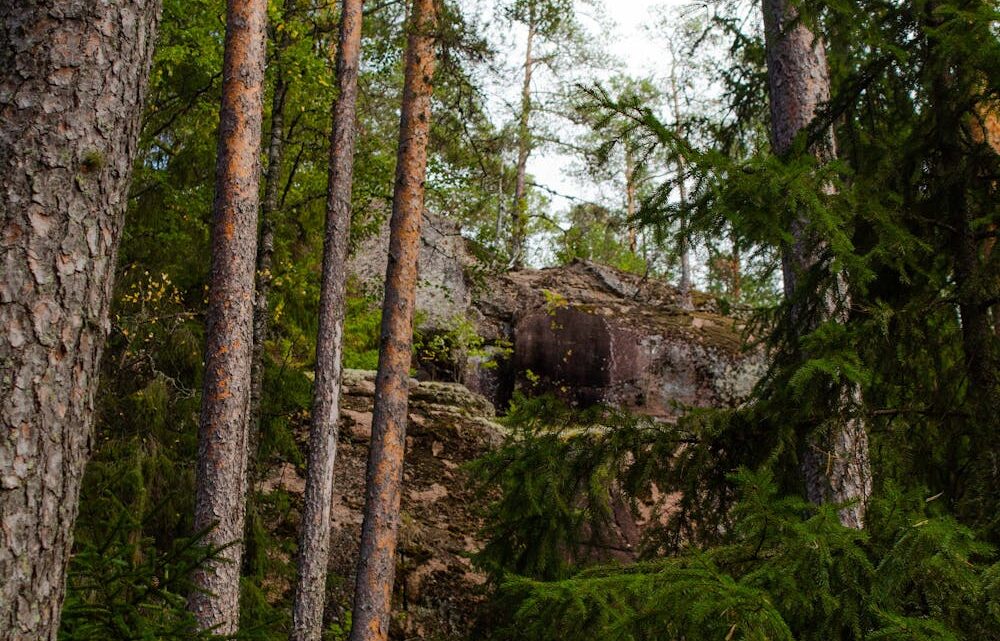
Forest canopies as a natural shield against global warming
28 August 2026Understanding forest canopies and their climate role
The forest canopy is the leafy roof created by the crowns of tall trees. This layer intercepts sunlight before it can hit the earth and absorbs rainfall, influencing the entire forest beneath. Many refer to the canopy as “the green mansion,” “canopy ocean,” or even “aerial continent” because it seemingly exists as a world unto itself, high above the earth, teeming with life.
The canopy is a shield. It intercepts a significant portion of the sun’s rays, preventing some of that heat from reaching the forest floor. This keeps the earth cooler during the day and prevents large temperature fluctuations at night. In the Amazon or Southeast Asian rainforests, you can sense this distinction—inside the forest it remains cool and moist, outside it can be hot and dry. The leaves and branches dampen wind, which maintains moist air and prevents too rapid drying. It’s this high humidity that is a significant factor in why forests remain green through dry seasons.
Canopies contribute to local weather and impact the global climate as well. The dense foliage reduced evaporation, so less water vapor rose into the atmosphere, which in turn stabilizes local rain cycles. At a broader scale, canopy uptake and release of water — known as evapotranspiration — can help sculpt rainfall patterns thousands of kilometers away. Take the Amazon’s “aerial continent,” for instance—it pushes so much moisture into the air that it powers precipitation in other regions of South America.
A healthy canopy is not only climate—it’s life. Way up in the branches, there’s a whole ecosystem of plants and animals that inhabit nowhere else. Epiphytes — orchids and mosses — thick vines called lianas and monkeys, birds and tree frogs all call this home. Even lichens on branches absorb nitrogen from the atmosphere, occasionally composing 15% of the forest’s annual nitrogen input. This nutrient flow sustains the entire ecosystem, from the towering tree to the soil-dwelling insects. The canopy’s density of life holds the system in balance, allowing plants and animals to weather shifts and shocks.
Researchers view the canopy as key to sustainable forestry. To maintain forests’ health, we must understand how the canopy connects water, air, soil and all the organisms that rely on them. Climate change is pressuring canopies all over. Rising heat and shifting rainfall are altering what can survive up there, at times pushing out old species and welcoming in new. These shifts can reverberate throughout the entire forest, impeding the system’s resilience.
Carbon sequestration and atmospheric balance
The forest canopies are a key component in the world’s carbon cycle. They do one very important thing that can help balance the atmosphere — pull in carbon from the air, via photosynthesis. As leaves absorb sunlight, trees convert CO2 and water into growth sugars. That means forests function as carbon sinks, sequestering massive amounts of carbon in timber, foliage, and earth. The older and thicker the canopy – the more CO2 it can sequester. In a matter of decades, mature canopy can store tons of carbon as well, making it another important tool for curbing the climate crisis.
The effect of these canopies isn’t hypothetical. If we’re going to keep the world’s warming below 2 °C by 2100, we’ll need to sequester roughly 410 gigatons of CO2. Forests go a long way. If we plant more than half a trillion new trees, they can pull in 205 gigatons of carbon. This might reduce the presence of CO2 in the atmosphere by approximately 25%. There’s room for 900 million more hectares of forests on Earth, which could sequester up to 205 gigatons of carbon—nearly 70% of what humans have added to the atmosphere since industrialization.
Not all forests are equal. They store significantly more carbon than denuded and cut-back forests. The table below shows the big gap in carbon storage:
| Forest Type | Carbon Storage (tonnes C/ha) | Notes |
| Intact old forest | 150–300 | High diversity, thick canopy, stable over decades |
| Young regrowth | 20–80 | Lower storage, but can grow fast under right conditions |
| Degraded/deforested | <10 | Much less storage, often due to logging or wildfire |
Young forests matter, as well. They can sequester eight times the carbon per hectare than trunks in fresh forests. That leaves existing young stands as a prime climate action pick. Mixing species, too, helps. Four or more tree species in young forests stored nearly 70% more carbon aboveground than single-species plots. Which implies that age and diversity both count.
Where it is located determines a forest’s ability to sequester carbon. For instance, Brazilian tropical forests can sequester six times more carbon per hectare than UK boreal forests. Local climate — rainfall, frost-free days and soil — determines the rate. So, outcomes differ by locale.
Keeping canopies healthy is key to balance in the air. When forests are cut or damaged by fire, bugs, or drought, they shed much of their carbon-trapping strength. There are few easier ways to keep greenhouse gases in check than restoration and protection of forests. Strong canopies assist in carbon sequestration and atmospheric balance.
Temperature regulation and energy savings
Forest canopy serves as a protective shield that reduces ground temperatures and conserves energy in urban areas. Dense canopies shade streets, sidewalks and homes, reducing heat in ways that really matter. When trees provide good coverage, they shade and prevent temperatures from rising on hard surfaces. You can see this in action on hot days when mean air temperatures beneath trees with dense interlocking canopies are lower than those in exposed, unshaded areas. For instance, a study discovered that under tree canopies, the air temperature decreased by a maximum of 2.8°C, and individuals in the shade experienced an even more pronounced drop, as their perceived temperature decreased by 4°C to 11°C. These aren’t minor adjustments, but shifts that could impact the daily lives of millions.
City street direction and tree-planting locations have a significant impact on this cooling effect. North-south streets tend to be cooler than east-west streets, particularly in summer heat. Trees planted on the east side of north-south streets maximize morning sun, providing shade exactly when it’s most needed. Majestic, sprawling old trees, with broad, overlapping canopies, provide the greatest respite. This isn’t just conjecture—actual data demonstrates that the two together reduce ground-level heat and help make cities livable.
The more tree cover cities have, the less AC they need. That’s less energy spent by people and less fuel burned by power plants, which is good for both wallets and the planet. In warm months, the shade of urban forests mitigates building temperatures by preventing direct sunlight from illuminating roofs and windows. Five benefits of urban forests — they reduce energy costs, reduce cooling demand, and combat the urban heat island effect. Even a slight chill outside means huge savings inside. It’s a domino effect—less heat out there equals less energy required to cool indoors.
Cool urban spaces are not only comfortable — they make us healthier and safer. Here are some direct benefits of cooler cities with more trees:
- Less heat exhaustion and less risk of heat stroke.
- Better sleep and comfort during hot nights
- Safer outdoor spaces for exercise and social life
- Improved mood and less stress from heat
- Healthier air from reduced energy consumption and increased green space
Adding more city trees is a cheap climate change adaptation. It shouldn’t require advanced tech or massive budgets, just a strategy to plant and preserve trees where they will have the greatest impact. Urban forests and green spaces collectively provide the cool air, energy savings and improved quality of city life we all deserve.
Biodiversity, resilience, and ecosystem health
The forest canopy is an integral part of the world’s forests. It boasts one of the richest diversity of plants, animals and microbes in the world. The dense canopy of leaves, branches and vines is a living roof sheltering the life beneath and uniting every part of the forest. This zone is never quiet, birds, insects, mammals, reptiles, fungi and mosses all discover nourishment, shelter and habitat. In tropical forests, the canopy is teeming with life, with countless species spending their entire lives aloft and rarely touching the ground. The canopy’s quilt of leaves and twigs aids in maintaining the forest cool and wet by shielding it from direct sunlight and retaining moisture. This helps more species to thrive by stabilizing temperature and humidity inside the forest, even when conditions outside the forest fluctuate.
The canopy itself is not straightforward–it is layered, some trees extending above others and vines intertwining between them. This 3D maze creates more habitats and food sources for a variety of species. It aids forests in recovering from storms, droughts, and heat waves. A diverse, intricate canopy diffuses damage so that no one disaster erases entire parts of the forest. A variety of different tree types implies if some don’t make it, others will. When people plant just one kind of tree—a monoculture—the new forest can be fragile and collapse if struck by disease or insects. Diversity is the secret to resilience, and biodiversity is the key to ecosystem health. It’s the reason why reforestation and agroforestry initiatives frequently employ a multitude of native trees these days, instead of just one type of fast-growing tree.
Canopies are a significant factor in forest ecology. They intercept rain and decelerate it, so water doesn’t erode the soil or nutrients. Leaves trap dust and retain it until rain flushes it back to earth, nourishing the plants beneath. Canopies further aid in moving nutrients as well, as animals and birds transport seeds and fruit around. In the tropics, animals – birds and bats – must disperse seeds to ensure new trees sprout in clearings. This allows forests to recover from logging or fires. Water cycles are sculpted by the canopy, as well. As leaves absorb and exhale water, they maintain humidity, cool the soil, and encourage local rainfall. These cycles sustain the health of the forest and the climate.
Below is a table showing some key species that need the canopy to survive:
| Species | Region | Role in Canopy |
| Howler monkey | Central/South America | Eats leaves, spreads seeds |
| Hornbill | Africa/Asia | Disperses seeds, controls insects |
| Flying fox (bat) | Asia/Pacific | Pollinates flowers, spreads seeds |
| Sloth | Central/South America | Feeds on leaves, hosts moths |
| Leafcutter ant | Tropical Americas | Breaks down leaves, feeds soil |
| Orchid bee | Central/South America | Pollinates tropical plants |
Threats to canopy integrity and global warming risks
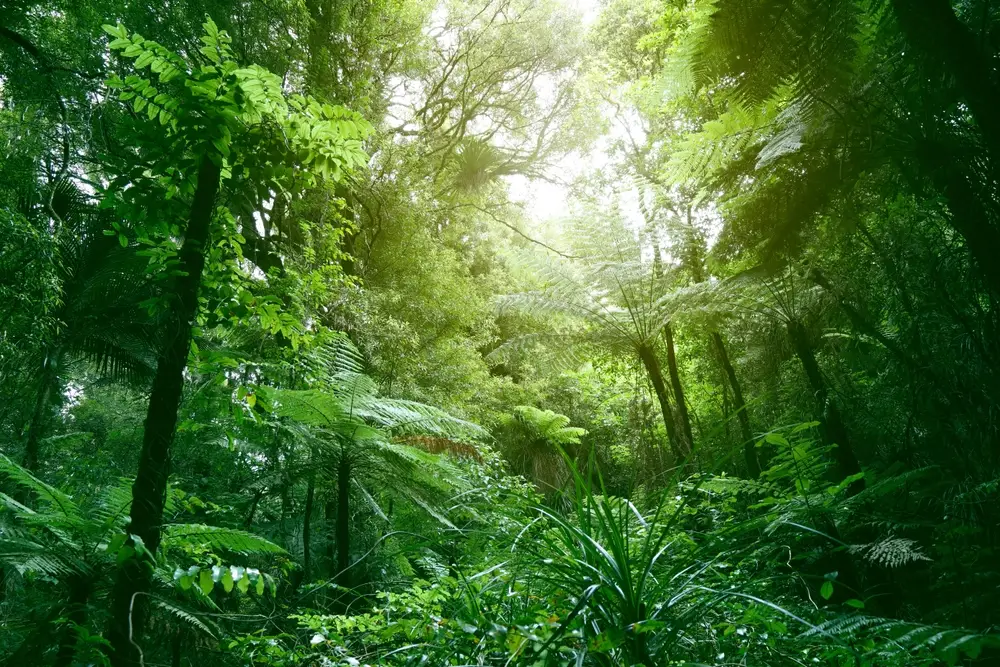
Forest canopies serve as a critical barrier to the negative impacts of global warming, yet their integrity is under genuine threat from anthropogenic and climatic factors. It is primarily at risk from deforestation, logging and conversion. Each year some 10 million hectares of forests vanish, mainly as a result of land being cleared for crops or roads or urban expansion. In other locations like central Africa or Southeast Asia, extensive logging and burning generate fast returns but denude the terrain. These activities fragment the thick, connected canopy layer, reducing the resilience of forests to recover and communities and wildlife to flourish.
Losing canopy cover has a direct impact on climate. Vital canopies absorb carbon and regulate local temperatures. When we fell or thin them, stored carbon floats free again, accelerating the pace of global warming. They are, for example, the most significant threats to forest species, with deforestation and forest degradation jointly accounting for some 60% of the principal threats. These alterations heat up the region. As in the Congo, models warn that deforestation could reduce rainfall by 8-10% by century’s end. In our cities, more trees cool and clear the air, but canopy loss in rural or wild landscapes exacerbates heatwaves and droughts.
The second biggest risk is that forest canopies will be broken up, or fragmented. When forests are fragmented by roads, farms or clearings the migration of animals and plants is disrupted. This compromises wildlife corridors and compresses refugia. The loss of large, connected canopies also harms important ecosystem services. These include drinking water filtering, soil protection and pollination that people depend on for sustenance. Broken canopy forests provide less shade and moisture and therefore are more prone to dry out or burn. Recent European droughts, the worst in 2,000 years, have wrought pan-continental forest dieback and demonstrate how climate extremes can pummel canopy health.
Global changes, including longer droughts, increased air pollution and emerging pests, are additionally altering which species of trees persist. Others experience increased tree mortality due to heat and water stress, which undermines the entire canopy. As these shifts occur, forests lose their ability to sequester carbon and harbor biodiversity. In cities, planting more trees has helped cut summer deaths and clean the air — clear evidence that a growing global canopy is good for people.
Stopping canopy damage requires immediate action. That is, halting industrial deforestation, repairing degraded forests, and managing land to maintain resilient canopies. Without urgent intervention we’ll continue endangering the global climate, and human life, even more.
Enhancing canopy protection through sustainable practices
Forest canopies are not simply a leaf roof overhead. They keep the earth cool, retain moisture, and provide shelter to numerous flora and fauna. Healthy canopies support climate change mitigation through carbon dioxide absorption and air regulation. Losing them means more greenhouse gasses hang around in the atmosphere, which intensifies global warming. Maintaining these canopies power is vital for both local communities and the global community.
Selective logging and reduced-impact forestry are methods to harvest trees without damaging the entire forest. Instead of cutting large swaths, loggers select individual trees and adopt techniques that preserve most of the canopy. Such work uses nub masticators and plans routes that bypass large canopy openings. In places like Malaysia and Brazil these methods have been demonstrated to maintain refuges for birds, insects and even big mammals. In eschewing brutal clearings, the forest preserves its cool ground and carbon storage capacity. These measures assist forests in maintaining their status as a carbon sink, which matters because forests can contribute as much as 37% of the cuts required to hold global warming to below 2°C.
Community-based forest management encourages villagers to tend their forests. This provides them an incentive to maintain the forest for years, not just seasonal profit. In certain regions of Africa and Southeast Asia, indigenous communities guard the trees, prevent fire, and ensure that hunting and gathering are not done to the detriment of the canopy. They do it all in a way that often combines ancient traditions and modern science, which has helped maintain that delicate balance between utilizing the forest and preserving it. Once people witness long-term benefits from a healthy forest, whether it’s consistent yields or tourism opportunity, they’re more inclined to defend the canopy.
Reforestation and afforestation restore and establish canopy. Reforestation is replanting in deforested areas. Afforestation is the act of planting trees in an area that previously had no trees. Both work best when the right species are selected for the land and when tending continues for many years. For instance, initiatives in India and China have transformed bare landscapes into verdant forests, contributing to air cooling and the return of native fauna. Long-term care, such as watering seedlings and preventing livestock grazing, is essential to ensure that this new canopy persists.
- Protect the canopy through sustainable practices.
- Help local communities steward forests for the future.
- Plant on degraded or naked land and cherish them over time.
- Protect ancient rainforests from loggers and beyond.
- Test and tailor rules to serve people and nature.
- Mix tree types when planting to increase biodiversity and strengthen the canopy.
Innovations and policy for canopy preservation
Forest canopies do a lot more than just shade the floor. They serve as an important buffer that molds the wellness of entire ecosystems. This green shield serves as a physical, chemical, and biological filter, both tempering heat and assisting with air quality and the water cycle. Canopies work to slow the impacts of global warming, drought and increasing pollution levels. Innovations and wise policies are important to maintaining these benefits, from remote forests to urban parks.
Remote sensing has transformed canopy stewardship. Satellites and drones can now monitor canopy health and coverage in real-time, detecting shifts in leaf coloration, tree density, and even symptoms of heat or disease stress. These tools allow us to detect issues early, be it a forest section affected by drought or a city park shedding its tree canopy. For instance, remote sensing allows forest managers to observe the advance of invasive species or dead trees so they can respond quickly. In cities, this technology powers mapping of tree coverage. This is important because an increase in city tree cover to 30% can help cool cities by approximately 0.4C and reduce days with strong heat stress by more than 50% in unpaved, treed areas versus bare soil. That life saving potential—one study revealed that in European cities alone, a 30% tree cover could save more than 2,600 summer deaths annually, or approximately 1.84% of all such deaths.
Policy needs to look at trees as more than just landscape. When cities and countries treat trees as public infrastructure, they receive the same kind of care as roads or power lines. That translates to consistent financing for planting, maintenance and study. It means that tree loss needs to be considered in urban planning, as much as the loss of any other public good. Others mandate minimum canopy in new developments or provide tax incentives for planting on private land. These measures help make canopies enduring components of the urban and rural landscape.
International agreements and incentives have a major role to play too. Agreements between nations can establish common standards for maintaining the health of forests, curtailing illegal deforestation, and encouraging reforestation. Incentives can drive firms to seek low carbon alternatives to produce paper, packaging, and textiles, so that 50% of forest fiber currently used is displaced with cleaner inputs. This shift makes a difference to the climate, but to the existence of endangered tree species pressured by logging and deforestation as well.
Adding canopy goals to climate action plans at every level makes a difference. National and local governments can integrate tree cover goals with broader strategies for reducing emissions, safeguarding water, and maintaining livable cities. Forest canopies further maintain biodiversity equilibrium, research indicating minimal net change in total forest diversity with robust canopies. In addition to protecting habitats and funding research, good forest management helps protect threatened species. This all equals genuine heat-fighting, clean air-supporting progress–keeping forests strong for the next generation.